
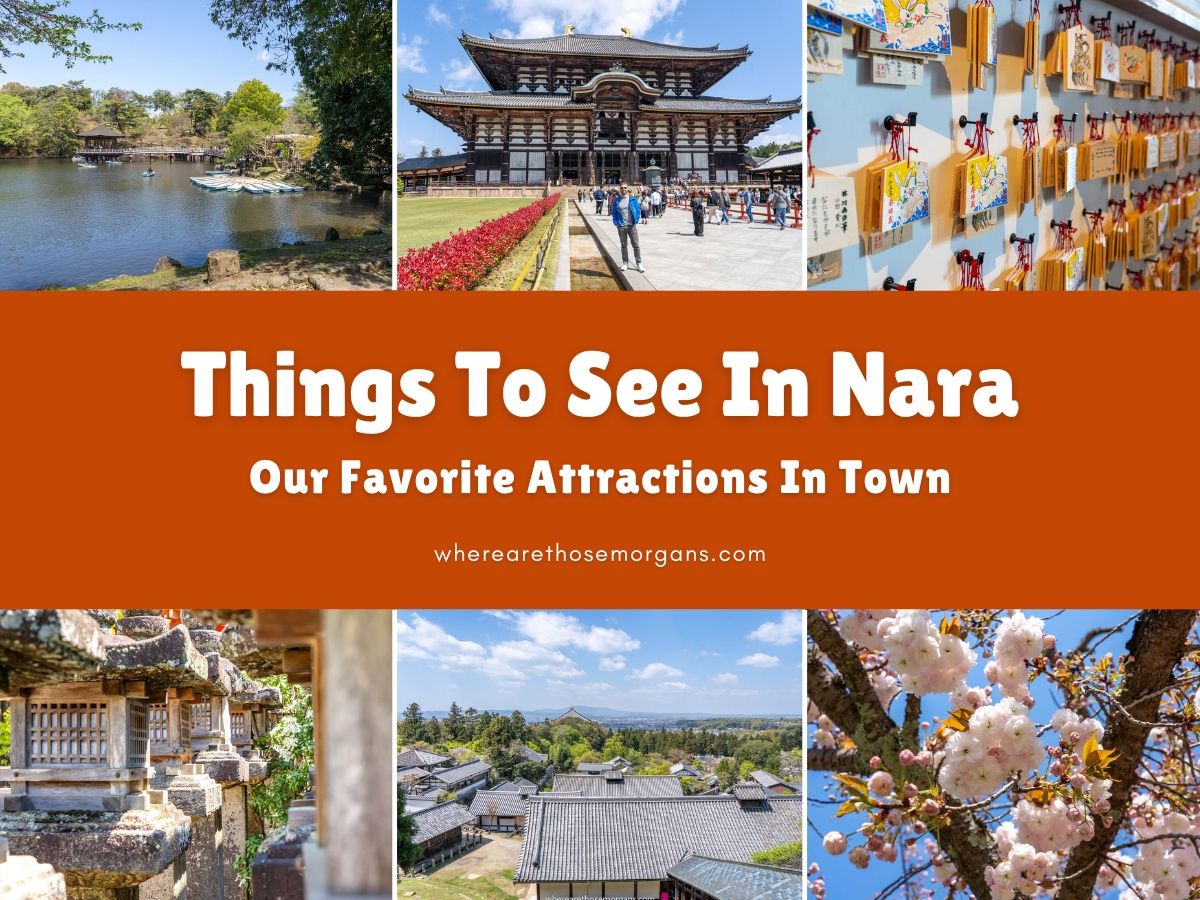
We’ve spent almost 5 weeks traveling around Japan during cherry blossoms in spring and fall foliage in autumn, and during both trips we made sure to visit Nara because it’s such a unique and beautiful place. Nara was the first permanent capital of Japan so it’s got tons of history, and being less than one hour by direct train from Kyoto or Osaka makes it an easy and very popular day trip.
We took a train from Osaka to Nara when we first visited back in October 2018, arriving late in the afternoon and spending a night in a fantastic traditional onsen ryokan called Onyado Nono (read our Japanese onsen guide to learn more), before exploring for half a day in the rain and eventually taking a train to Kyoto. It was great, but it felt too rushed, so when we visited again in April 2023 from Kyoto, we made sure to arrive early in the morning and leave later that evening so we had a full day to check off everything on our Nara bucket list.
Hi, we’re Mark and Kristen Morgan. We left our scientific careers in 2018 to become travel writers and photographers, and since then our expert guides have helped millions of travel planners take better trips. Read more about us.
Why trust us with your Nara trip? We’ve day tripped and spent a night in Nara, seen all the touristy spots and found hidden gems. We know what’s worth it and what to skip. As always, every photo in this guide is ours.
For us, Nara should be considered an unmissable stop on any first time Japan itinerary. And it’s just not about those famous Sika deer you might have heard about – the temples and shrines are serene, the atmosphere is calm, and it’s nice to escape the overcrowded Kyoto or chaotic Osaka for half a day.
One thing we love about visiting Nara is affordability. Round trip trains and a few temple entry fees are all it costs to see the city’s highlights, which is great for inclusivity. In this guide we show you the experiences we think are unmissable on a first trip to Nara, based on our two totally different trips. Let’s dive in!
Note: Our content is reader supported and contains affiliate links. If you make a purchase through one of these links, we may earn a small commission at no extra cost to you and it helps us keep this site running.
Need a hand planning your Japan trip? We help independent travelers plan better, stress-free trips. Schedule a video call and we’ll build a Japan itinerary that fits your style, budget and priorities. See our travel planning help.
Explore Todai-ji Temple
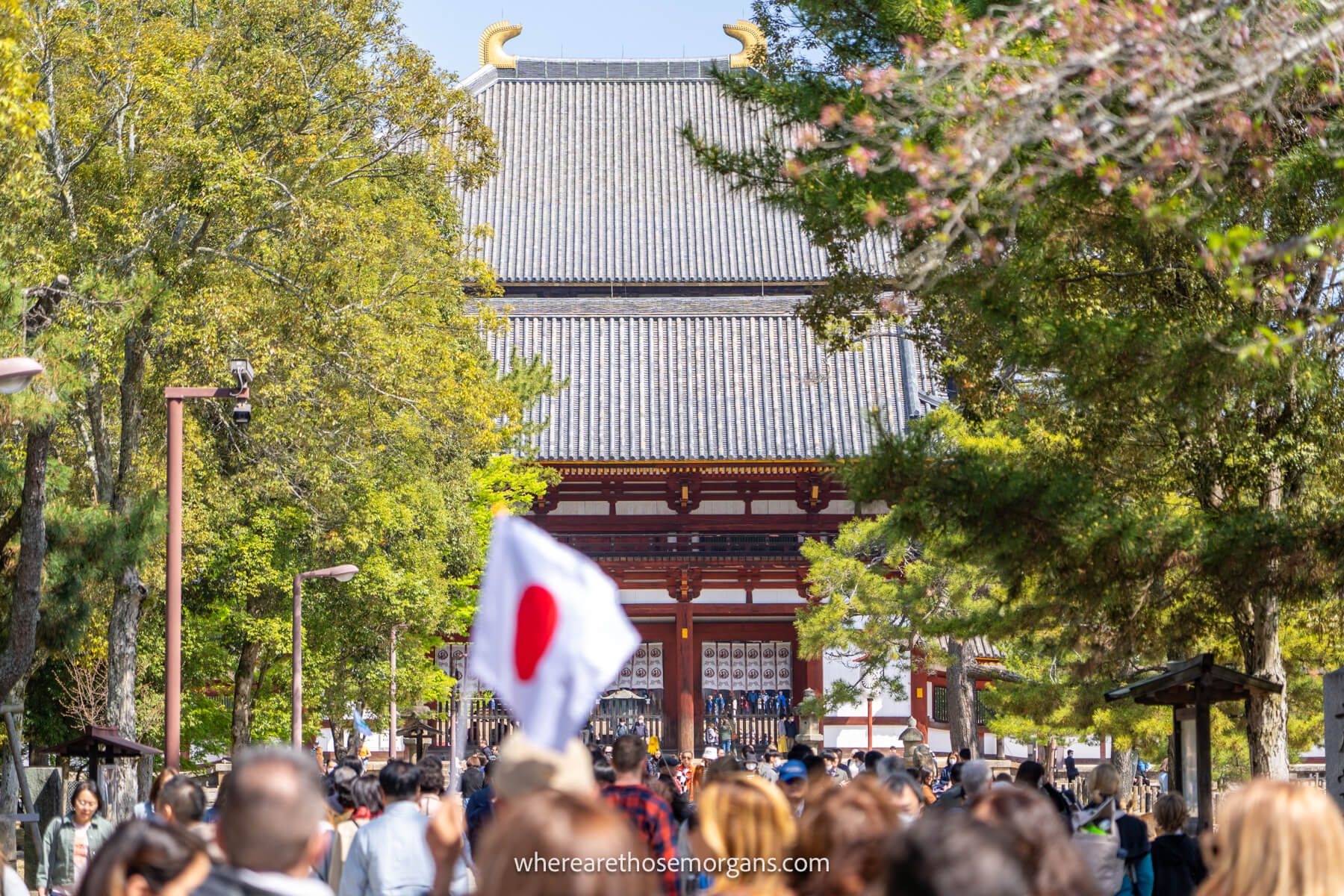
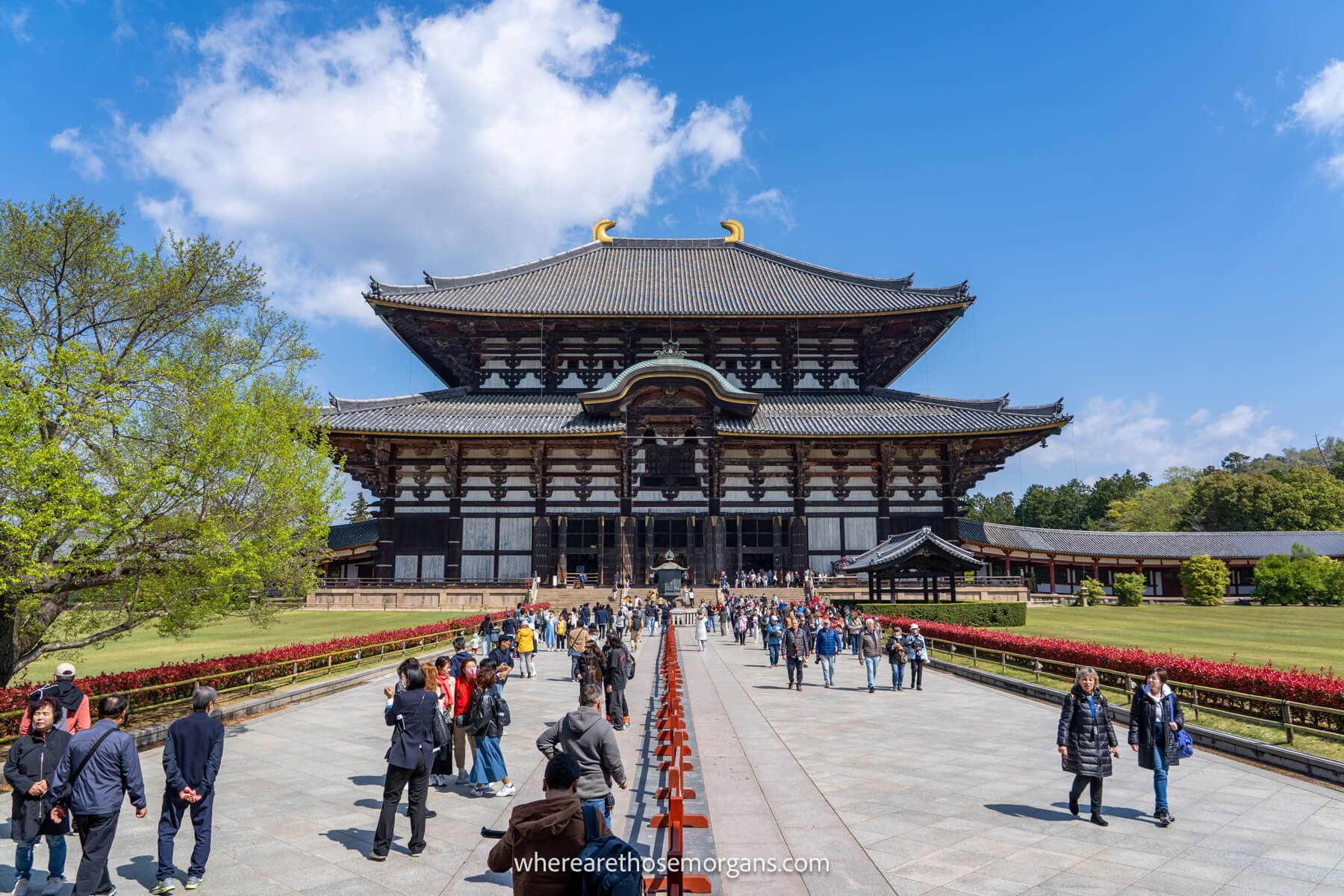
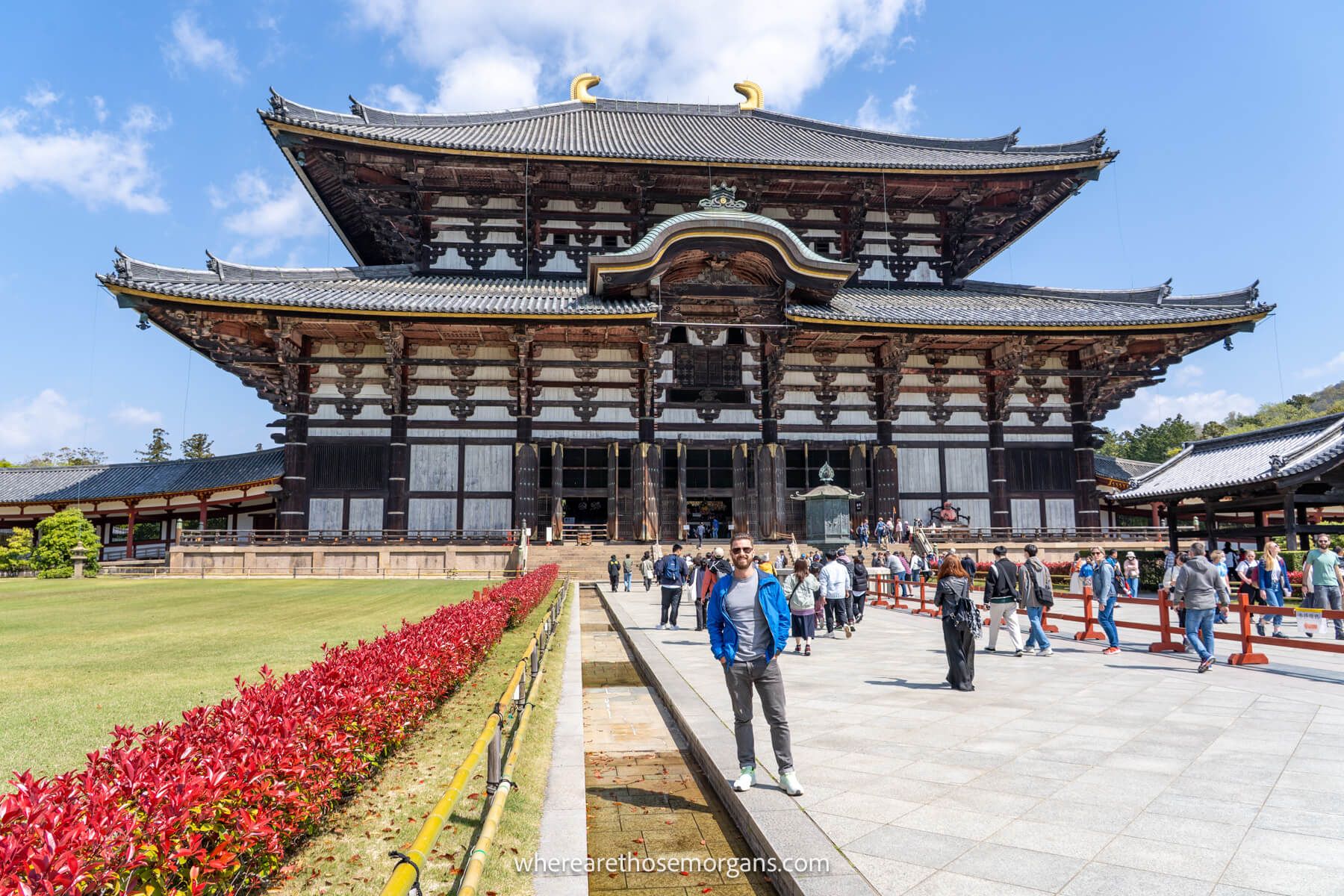
Let’s kick things off with the most popular attraction in town – Todai-ji Temple. This is Nara’s centerpiece and one of Japan’s largest wooden buildings. And if the gigantic and impressively detailed exterior isn’t enough to wow you, the views only get better inside.
The statue of Vairocana Buddha (the Buddha of Light) standing at 14.98 meters high was far more striking than we expected. We knew it was one of the world’s largest bronze statues, but it still felt really imposing when we saw it.
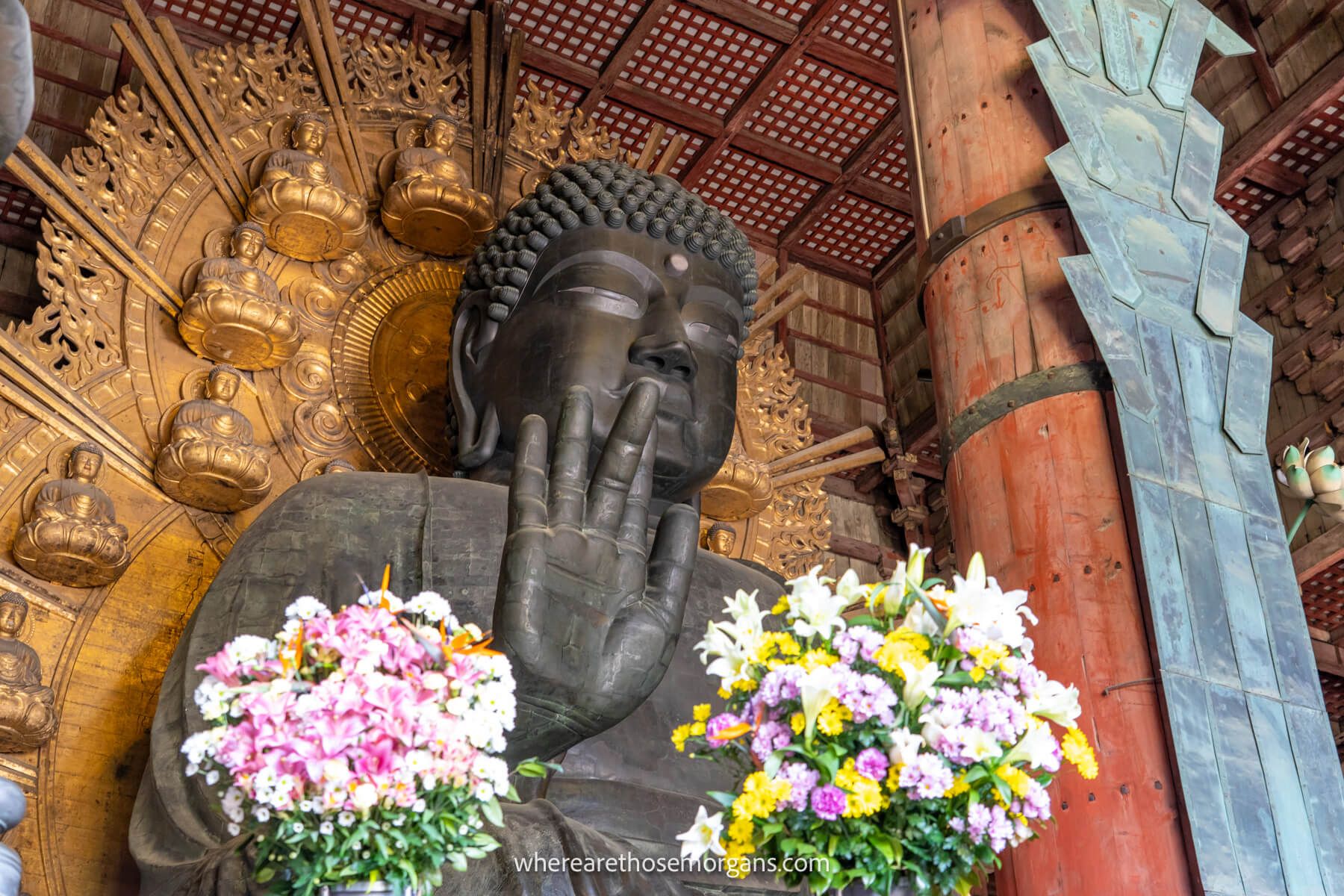
Todai-ji is a very important landmark and it’s always busy. We learned this the hard way when we visited during a typhoon and torrential downpour expecting to be the only people there, but the crowds were still enormous. It has a fantastic location nestled within Nara’s popular deer park, and we always stop to feed the Sika deer on our way to the temple.
One of our favorite things to do inside is crawl through Buddha’s Nostril, which we found in a small hole near the base of one of the large wooden pillars. It’s said this hole is the same size as Buddha’s Nostril on the large bronze statue and crawling through will help you achieve enlightenment. The hole was closed during our second visit in early 2023 due to the pandemic, but it has since reopened.
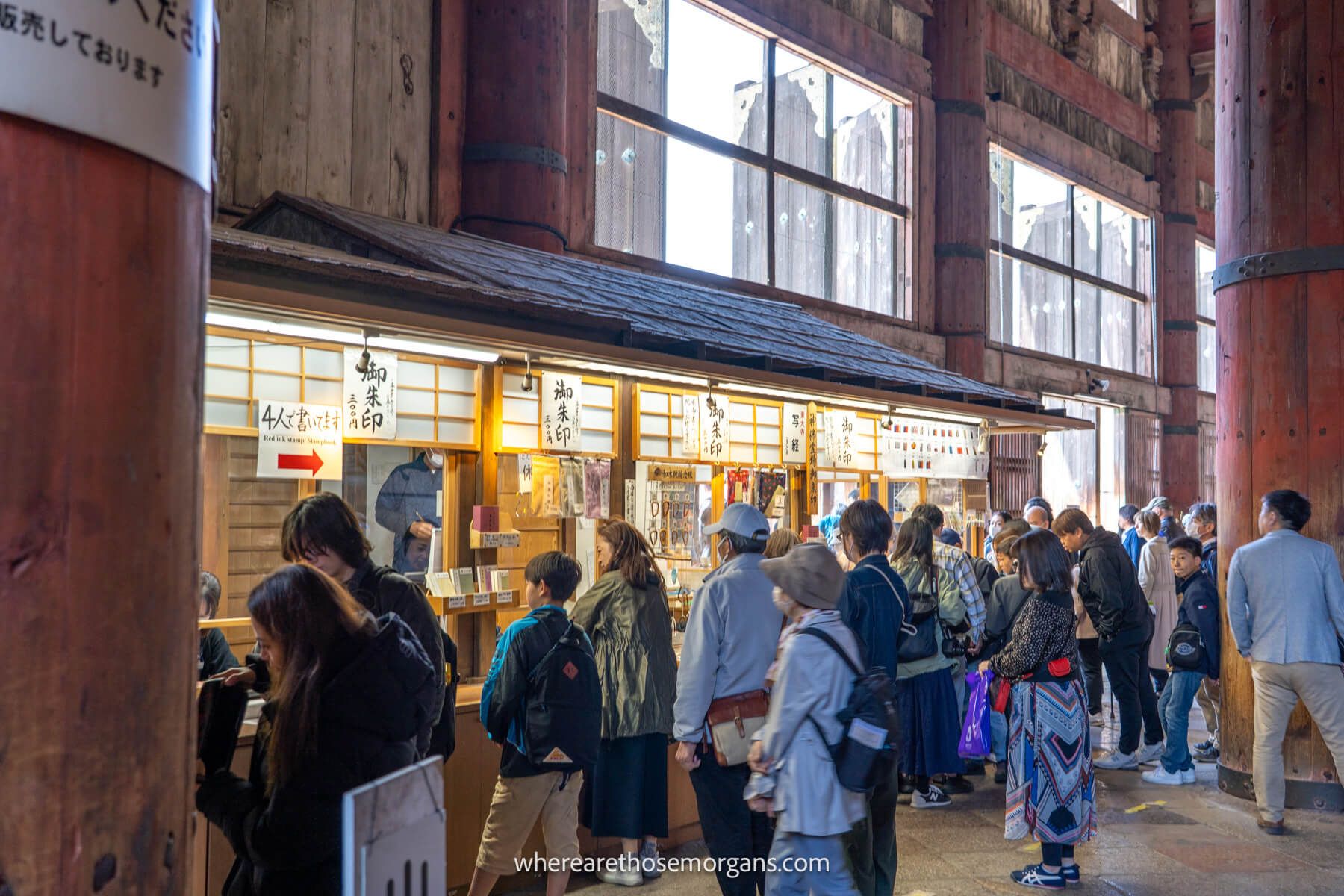
Admission for Todai-ji Temple is 800¥ for adults and 400¥ for children (6-12 years old). We paid before entering the Great Buddha Hall near the Chumon-Gate and had to wait in a small line. You can buy a Great Buddha Hall and Todai-ji Museum joint pass for ¥1,200 (¥600 for children), if you want to visit the museum too.
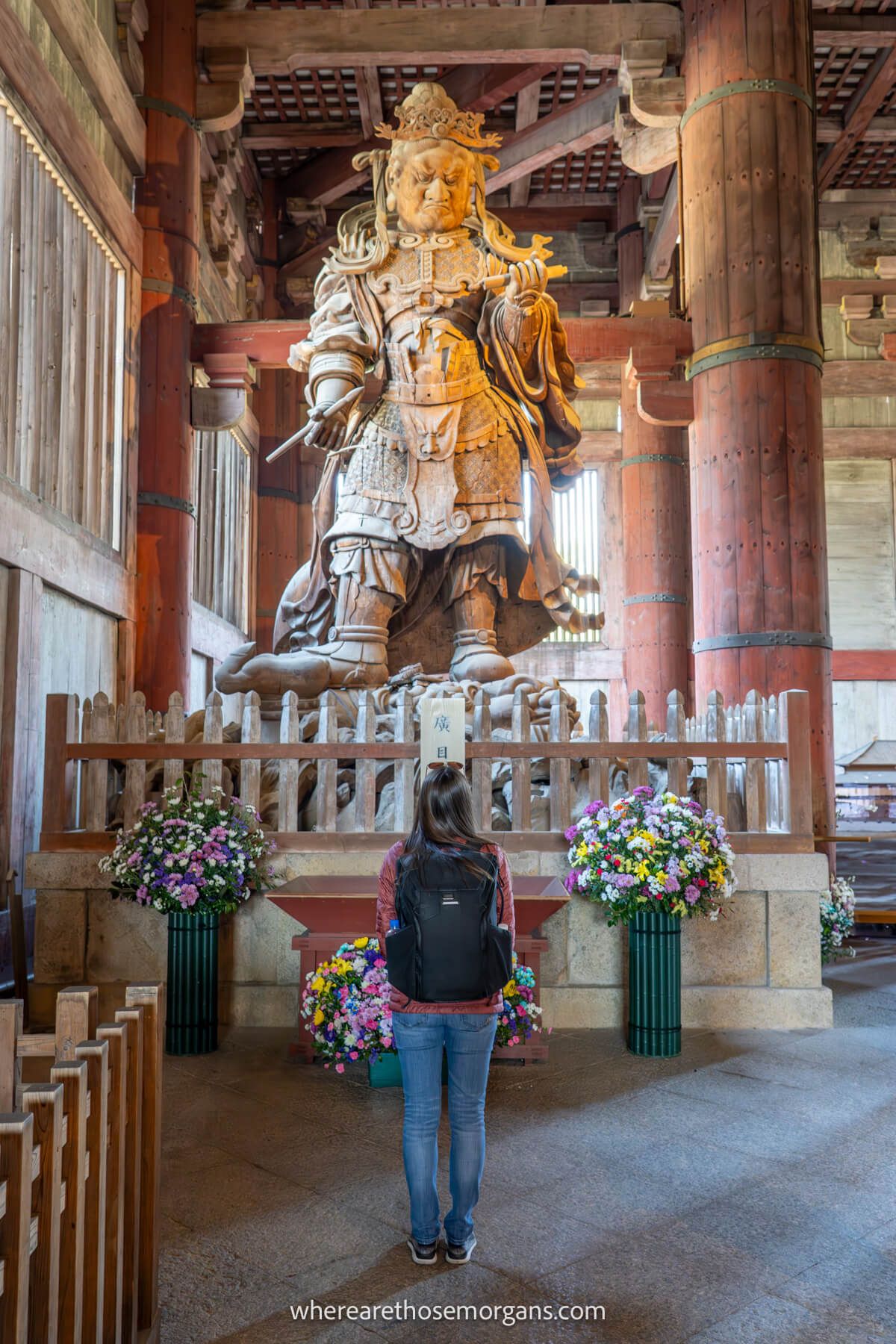
The main hall is open from 7:30 AM – 5:30 PM April to October and 8:00 AM – 5:00 PM from November to March. Visit the official website for more information.
Don’t Miss Nigatsu-do Temple
Heading east from the Todai-ji complex, the next place to visit is Nigatsu-do. It’s a sub-temple of Todai-ji, but we think it deserves its own mention. We missed this temple on our first visit so we made sure to see it the second time around.
Nigatsu-do is famous for the Omizutori ceremony that takes place from March 1st to March 14th with the main fire event happening on March 12th. During the ceremony, monks carry large flaming torches and set the temple’s balcony on fire.
Why? Because it’s believed the embers from the fire will be good fortune for the upcoming year. If you’re in town for the ceremony, make sure you add it to your Nara itinerary.
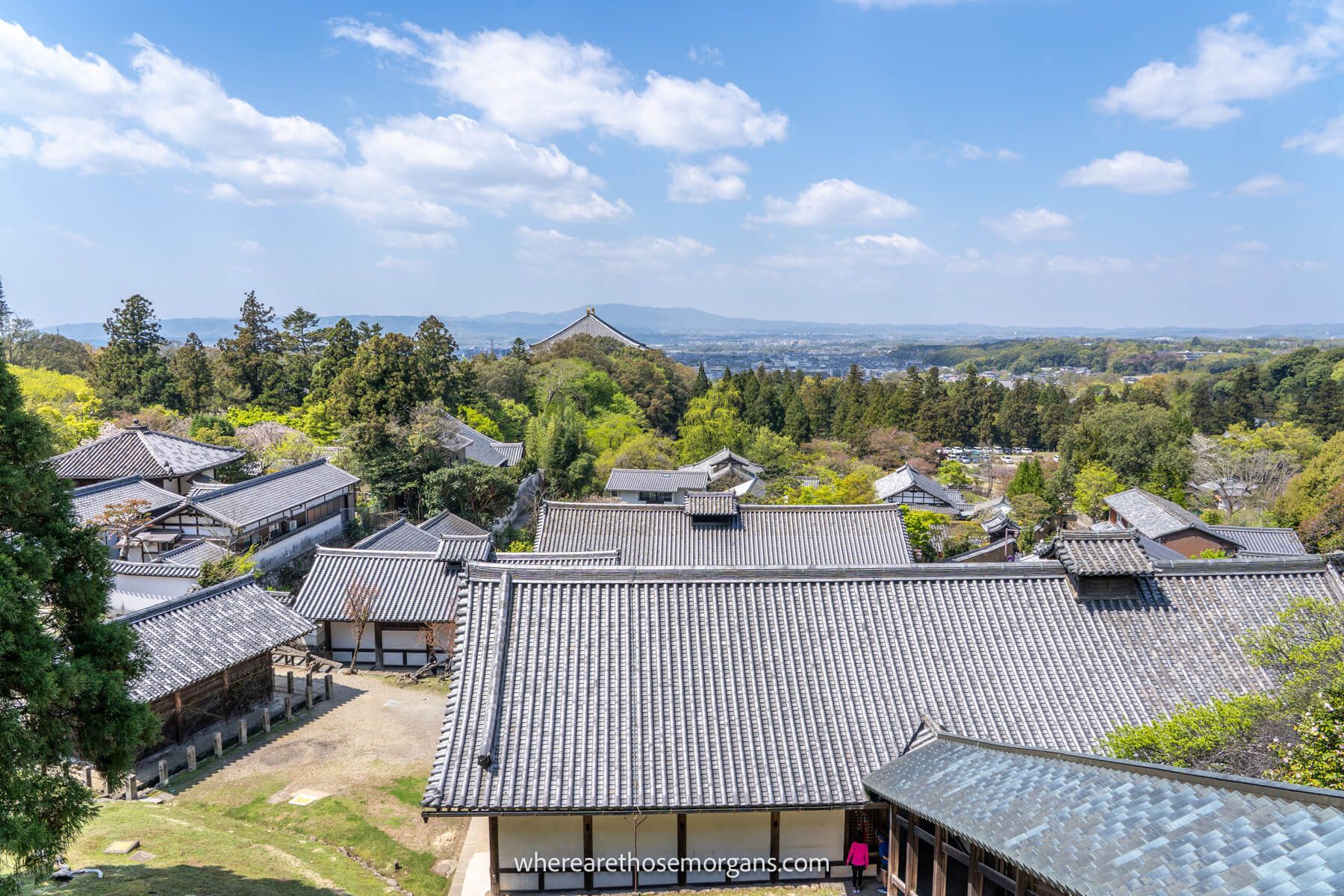
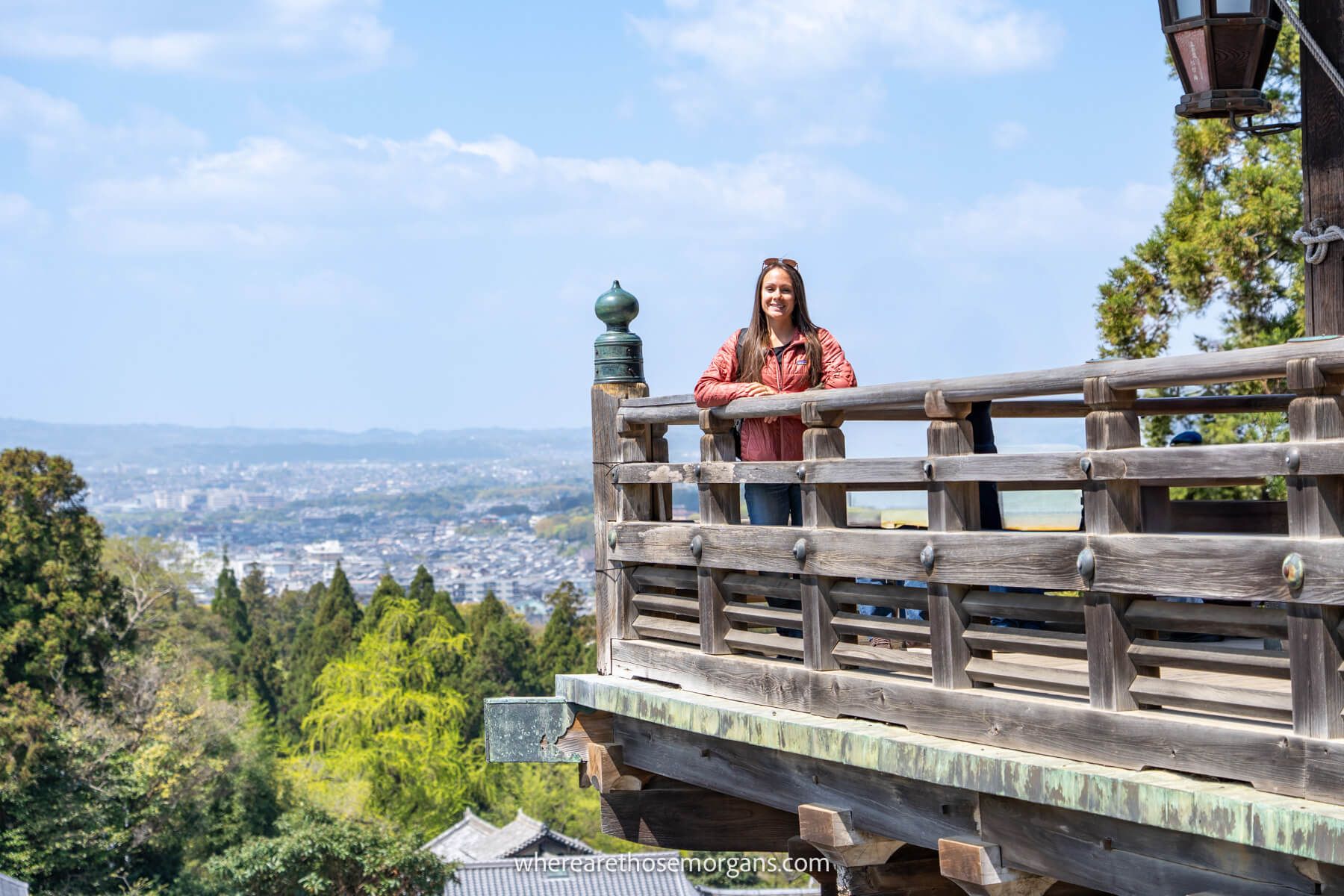
Without a doubt, we think the best part about visiting Nigatsu-do is the panoramic terrace. On a clear day, you’ll see sweeping views of the city’s main attractions including Todai-Ji’s Great Buddha Hall, Kofukuji’s five-story pagoda and the border of the Nara prefectures.
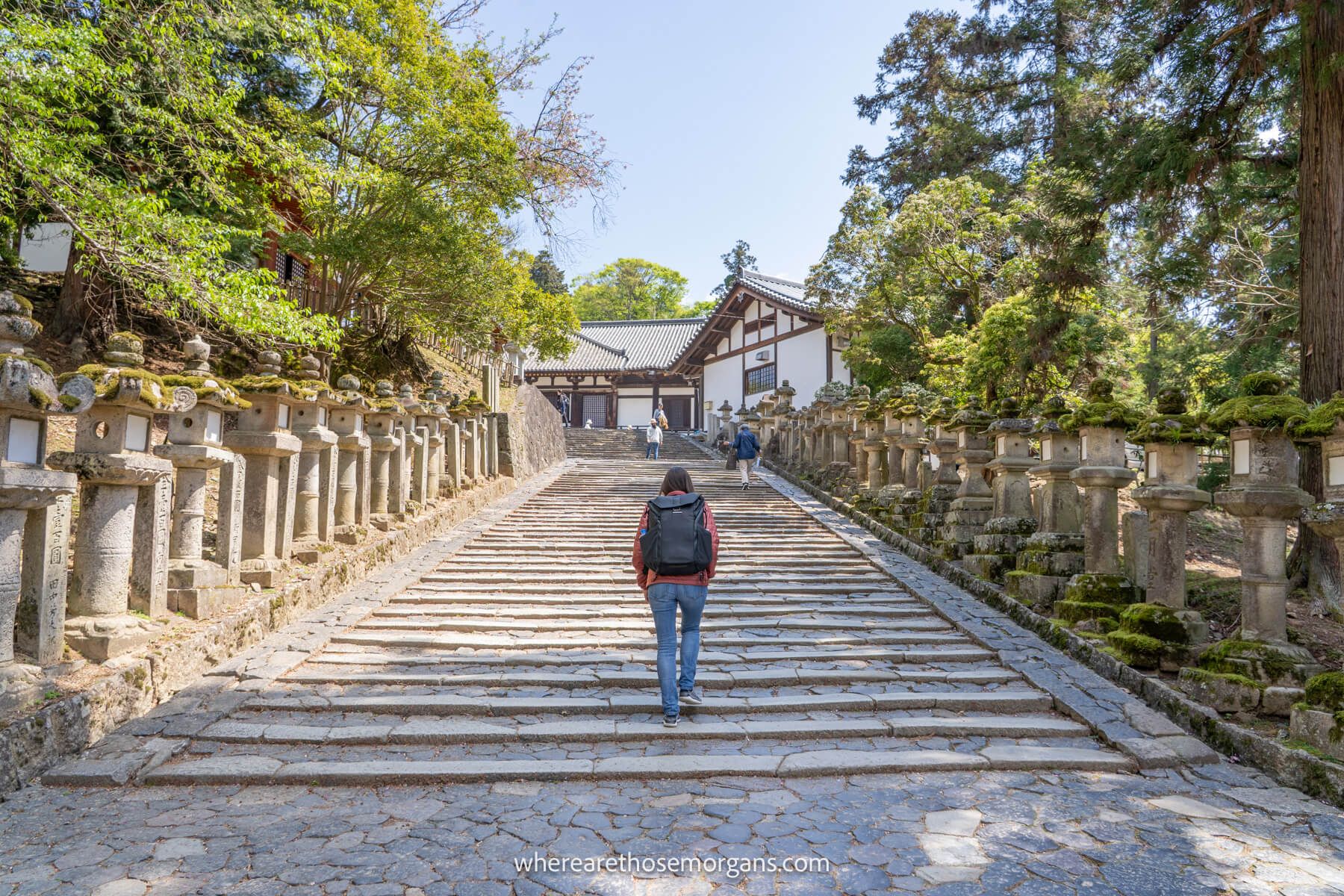
To reach the temple we followed a path with cobblestone steps flanked on both sides by stone lanterns (see Kristen in the photo above). But you can also look for a covered walkway to help shield you from the elements if you visit in the rain. Historical significance combined with natural beauty makes this temple a special spot.
Climb Mount Wakakusa
On the eastern edge of the deer park near Todai-ji and Nigatsu-do, another great vantage point is Mount Wakakusa (Wakakusayama). It rises 342 meters high and has awesome views of the city from an observation deck about half way up, and you can connect to the trail right from Nigatsu-do.
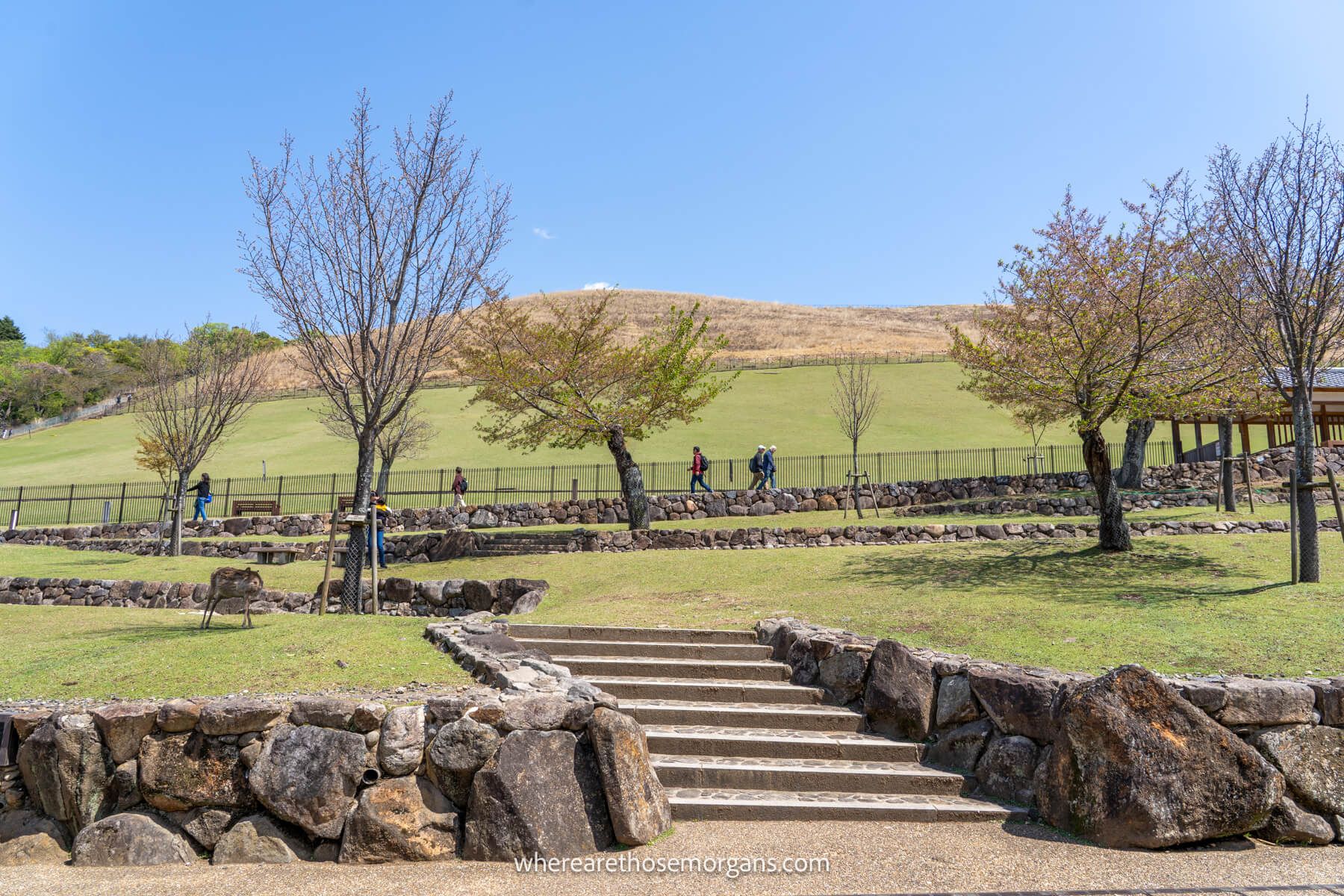
The entire mountain is completely covered in grass with no trees and it reminds us of the peaceful English countryside. Similar to the Omizutori ceremony, Mount Wakakusa is set on fire during the Wakakusa Yamayaki festival on the fourth Saturday in January.
According to AllTrails, the full hike is 3.5 miles and should take about 2 hours to complete, but we only recommend going to a flat unofficial viewpoint around half way up. We hiked in a clockwise loop, climbing and descending steps on both sides of the viewpoint. It wasn’t too hard and the views were great, but it’s not essential so only do this if you have plenty of time and energy.
See Kofuku-ji Temple
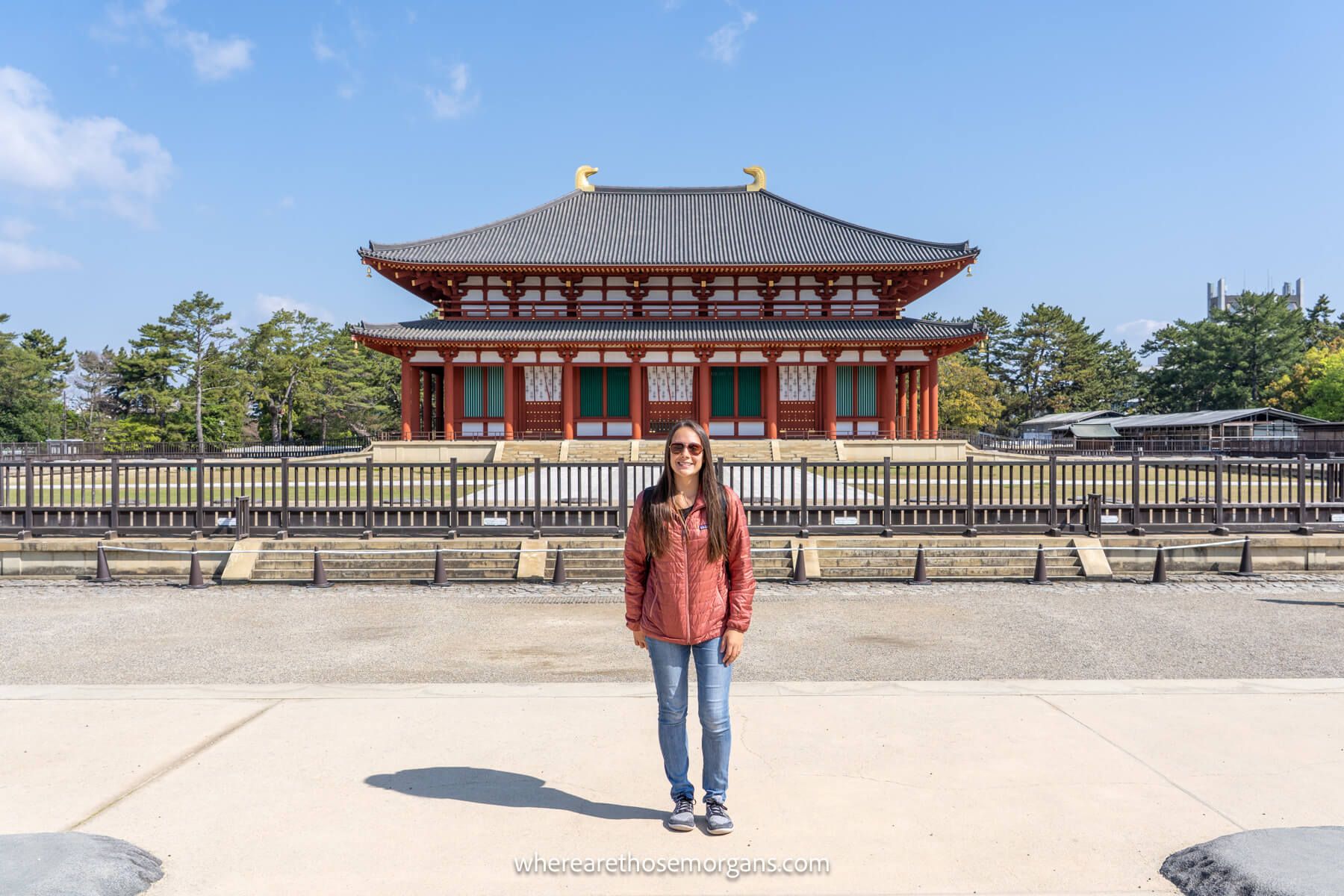
Kofukuji Temple is a complex of 7 buildings and grounds located just inside the western edges of Nara Park. It’s most famous for it’s five-story pagoda (the second tallest in Japan) which is beautifully reflected in nearby Sarusawa-ike Pond. This is one of the places we always visit when we’re in town because it’s one of Japan’s oldest and most famous Buddhist temples.
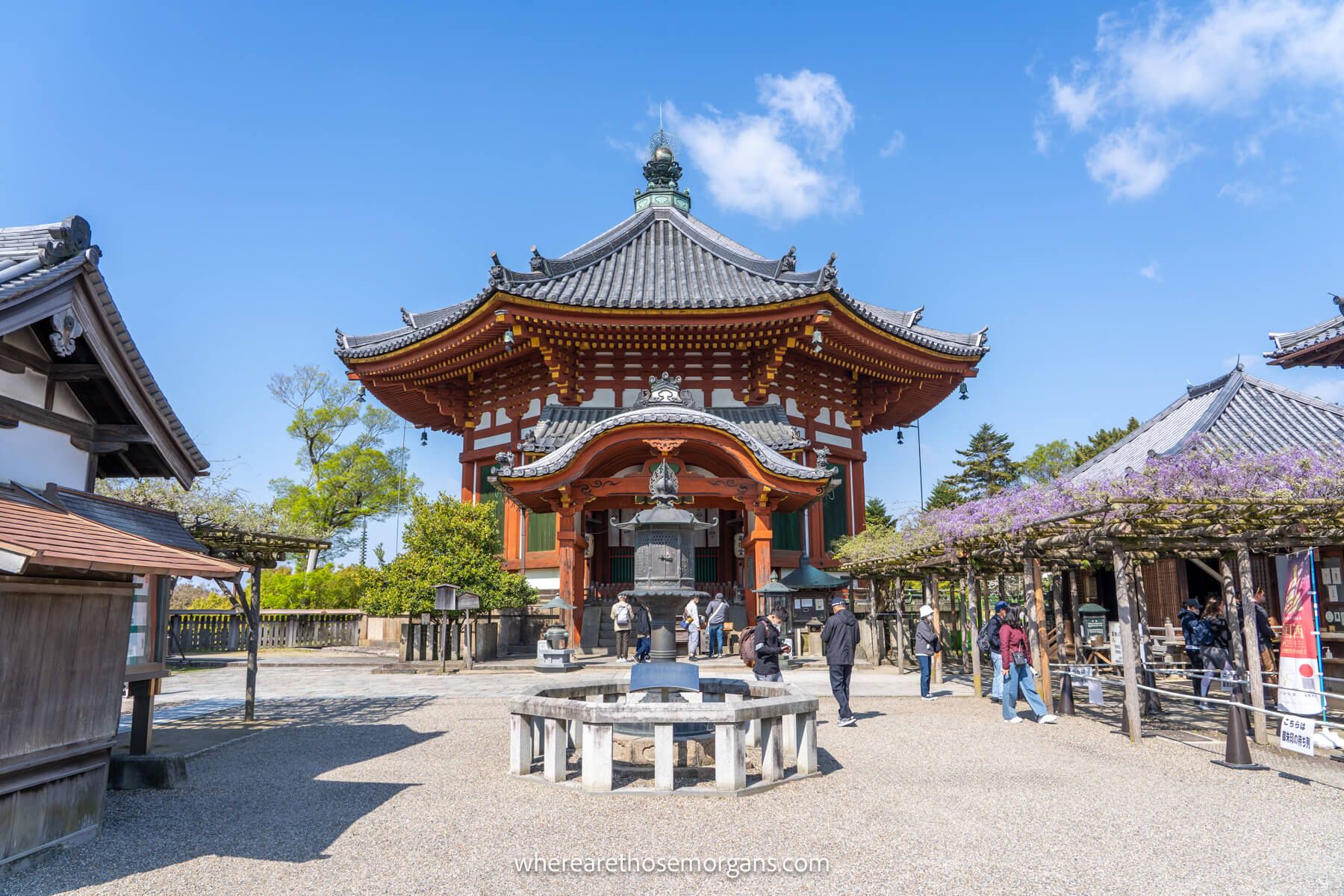
On our most recent visit, we also went inside the National Treasure Hall which we thought was well worth visiting because it houses sculptures from the 700’s. Many of the artifacts have Japanese explanations, but we could usually find short English description nearby and we also used Google lens to translate. It wasn’t always perfect, but we could understand the main points.
The grounds are free to enter, but you’ll have to pay to access the National Treasure Hall (¥700), Central Golden Hall (¥500) or Eastern Golden Hall (¥300). You can also buy a combined ticket for the National Treasure Hall and the Eastern Golden Hall for (¥900).
Photography is not allowed inside any of the buildings, but you can take photos of the exteriors. Here’s the official website if you want to know more.
Photograph Kasugataisha Shrine
If you want to take some beautiful pictures during your trip, we highly recommend visiting the Kasugataisha Shrine. It’s one of Nara’s most celebrated Shinto shrines, and it’s famous for both stone and bronze lanterns that have been donated by worshippers.
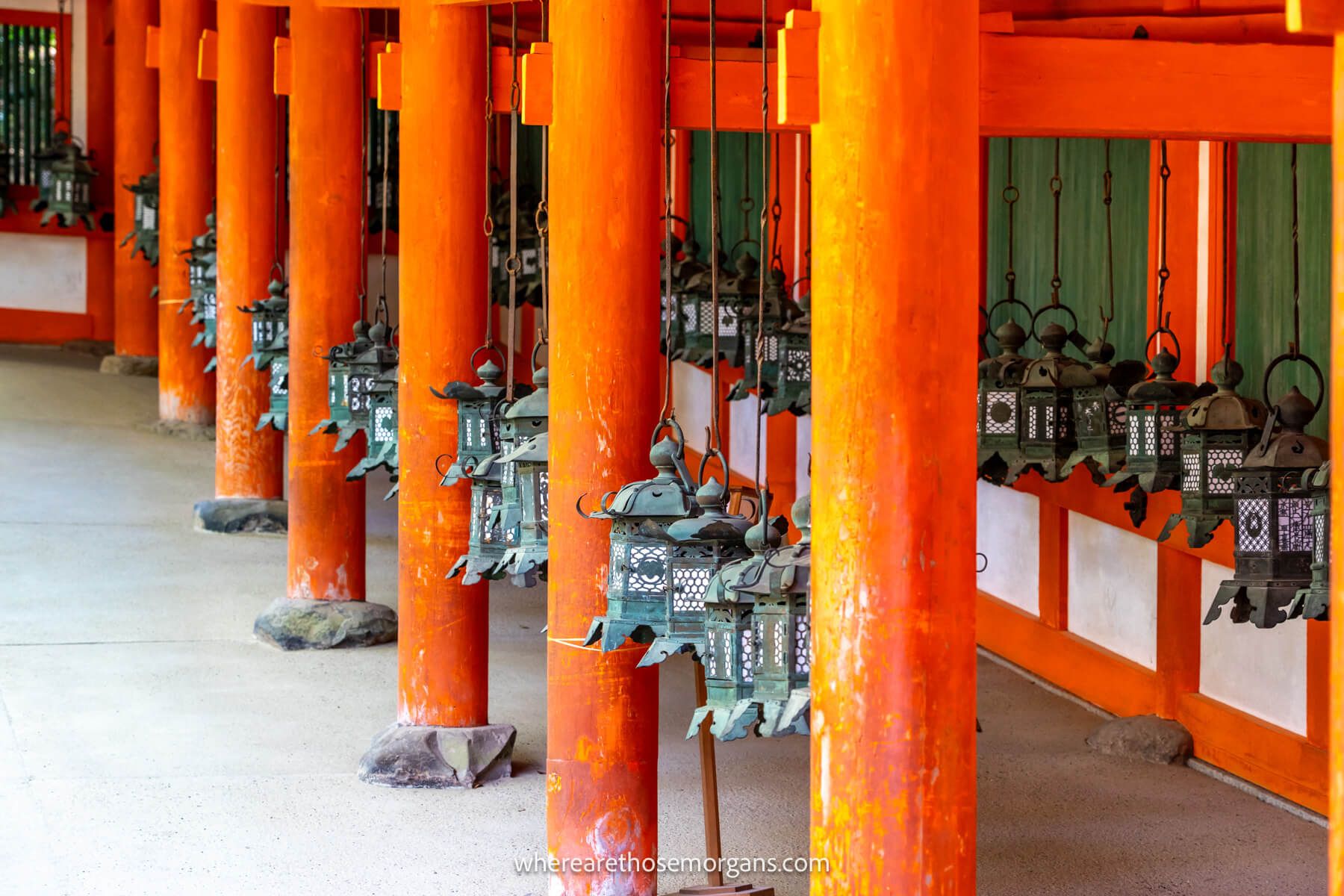
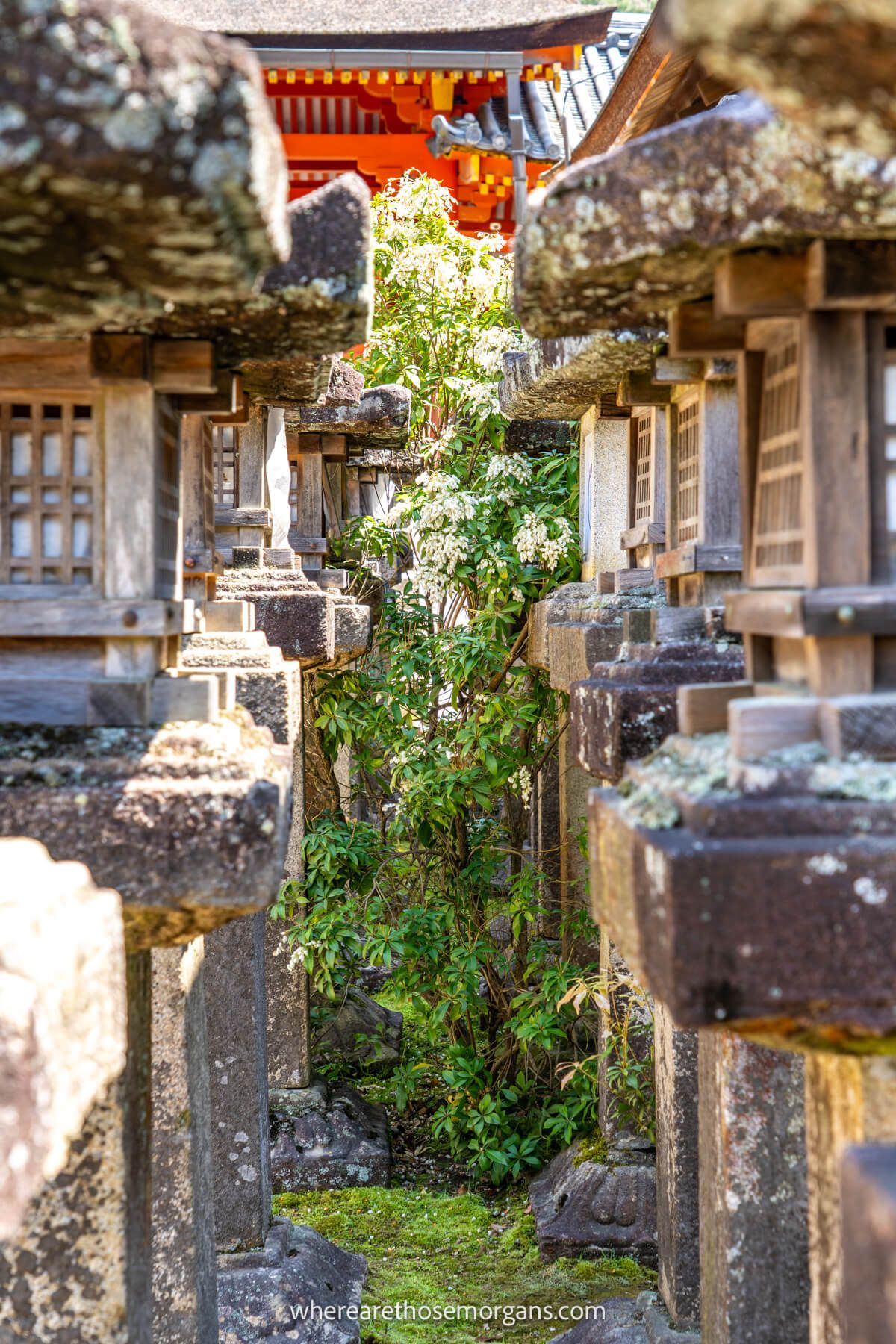
It was originally built in 768 and holds religious significance. Every February 3rd and August 14-15th, thousands of lanterns are lit in unison to signal the beginnings of spring and fall respectively.
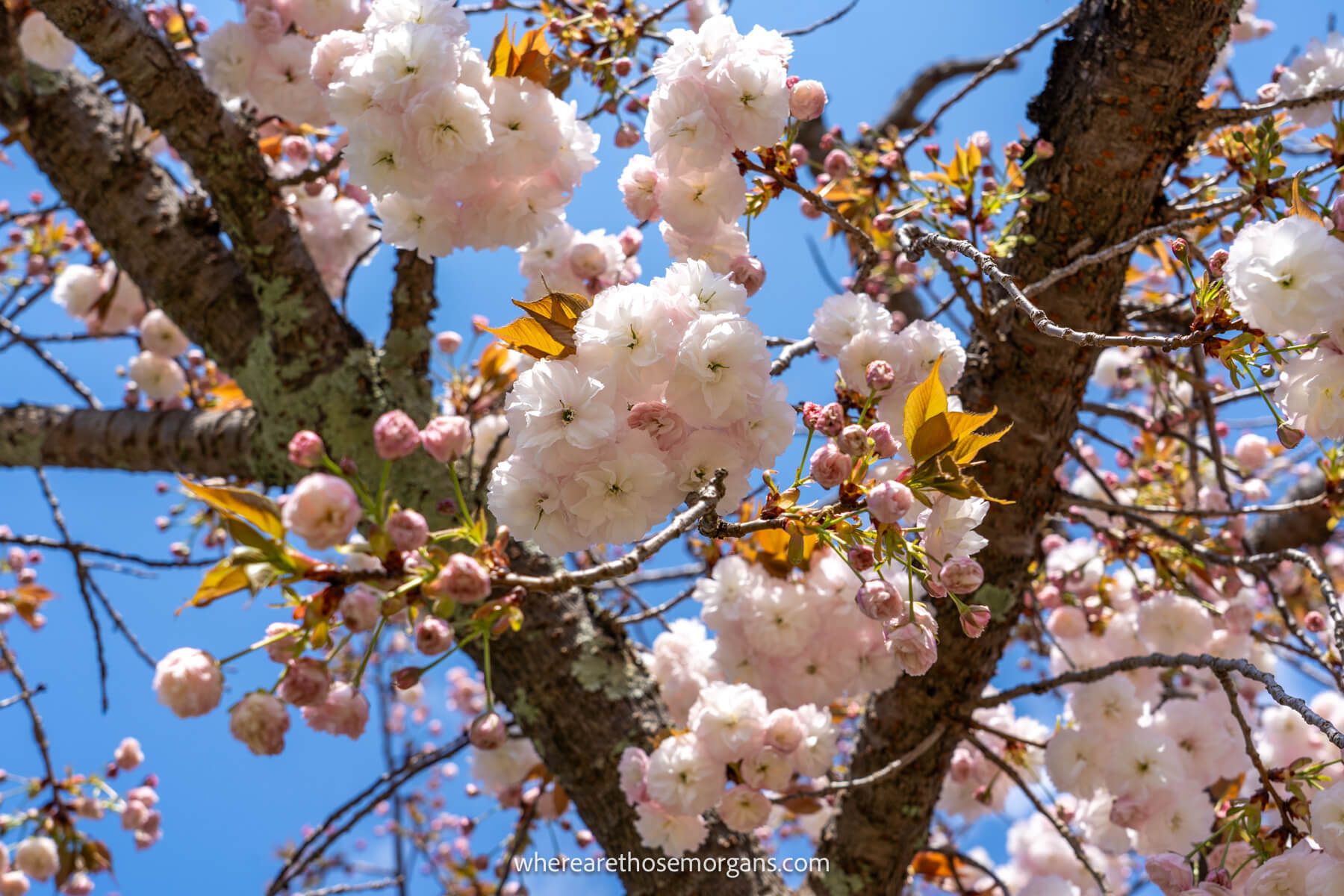
One of the things we loved about the shrine was the picturesque walkway as we approached. It was lined with trees exploding with color from weeping cherry blossoms and wisteria flowers. Seeing the blooms during our last trip made it really special. The main sanctuary costs ¥700 for entry and the museum is another ¥500. For a map and additional information, visit the official website here.
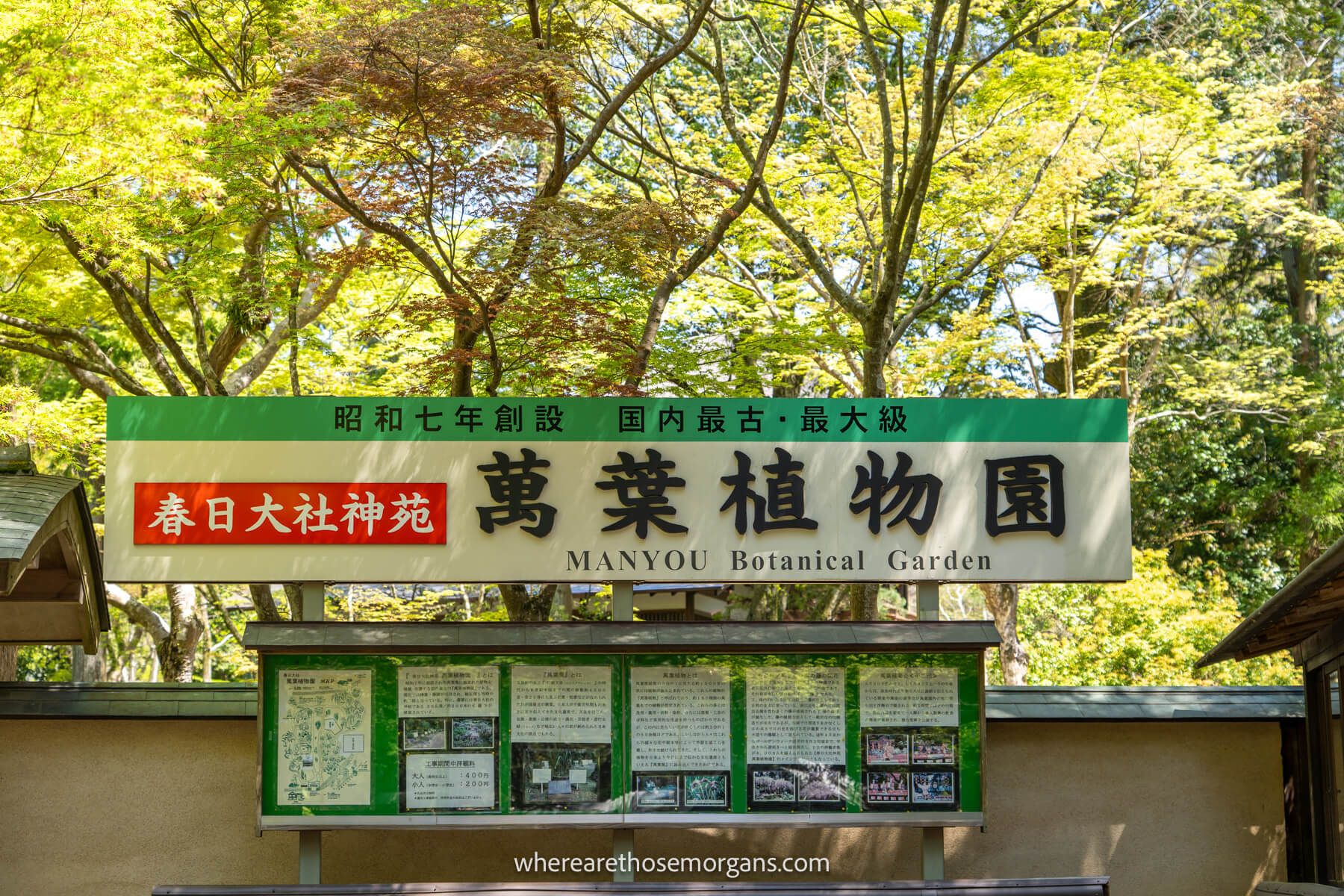
Another popular spot nearby is the Manyo Botanical Gardens. It’s filled with 300 kind of plants including camellia, irises and over 200 wisteria which are the main attraction.
One of the things we liked about this garden was the small transcriptions next to each plant representative of Man-yo-shu, Japan’s oldest collection of poems. But the main issue here is it’s only worth seeing when the flowers in bloom. We would only pay to go inside again if we visited late April to early May.
Kristen’s route tip: We like to use a shortcut behind Kasugataisha Shrine. Look for picturesque paths leading to Todaiji Temple, Kofukuji Temple and Mount Wakakusa through the sacred Kasugayama Primeval Forest.
Feed The Sika Deer
Deer are considered messengers of God in Buddhism and they’re allowed to roam freely around all areas of Nara. The park is home to a reported 1,200 deer that approach humans and cross the roads like it’s their turf. The deer were one of the main reasons we first visited Nara and you honestly have to see the laissez-faire attitude of these deer to believe it.
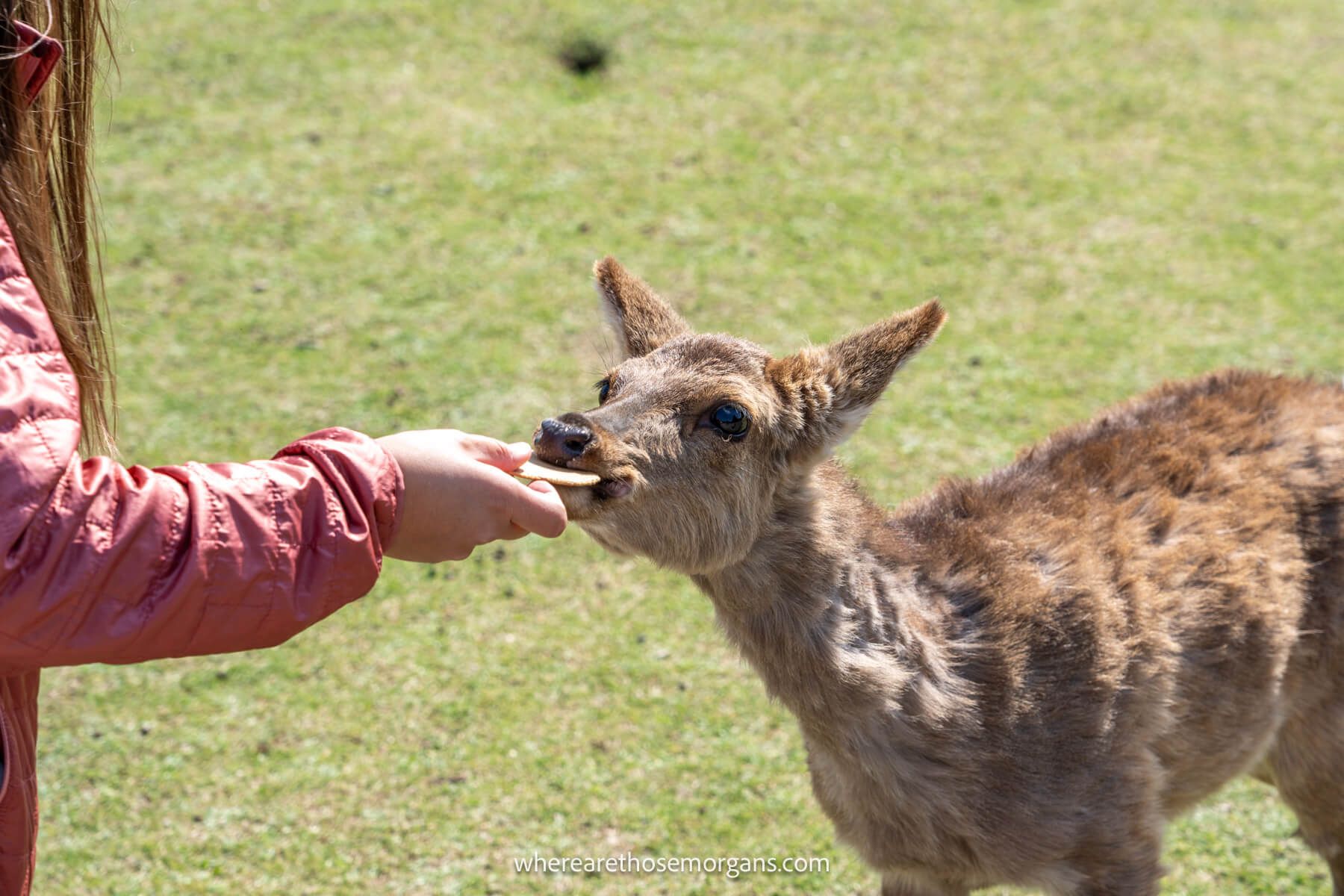
One question you may have is how do all these deer survive in a city park? The answer is you feed them. That’s right, you can buy a special cracker-type snack called shika senbei from vendors around the park to feed the deer with. But the deer here are so used to humans feeding them now that they can get rather pushy…or bitey!
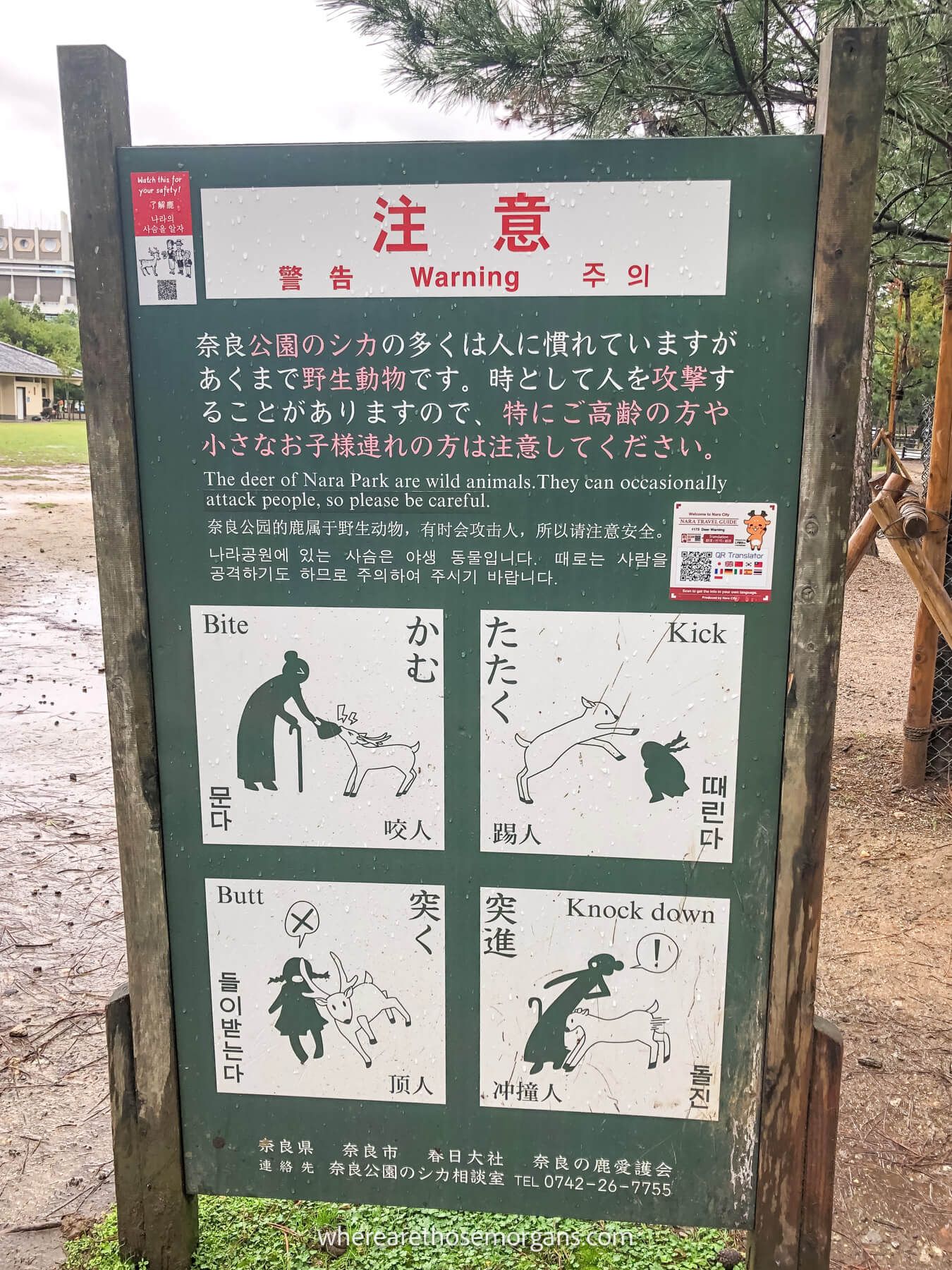
The wooden sign in the photo above is one you’ll see all over town and it reminds us of a Pokemon’s moves… bite, kick, butt and knock down. Just don’t be the person who needs taking to the Pokemon Center to revive! We’ve written an entire guide about how not to get bitten by a deer and we highly recommend you read it before visiting Nara.
Mark’s deer feeding advice: Once you run out of food, show the deer your palms with fingers spread out. This lets the deer know you have no more food.
Find The Two Gardens
The two gardens you can visit in Nara are called Isuien Garden and Yoshikien Garden. We didn’t have enough time for them on our first trip which we regretted, so we made sure to add them in during our second trip. If you’ve never experienced the beauty of a Japanese garden, this is an easy place to do it.
Isuien Garden is located near Todai-ji Temple’s Nandaimon Gate. It’s a stunning place divided into a front and back garden, with tea houses and brilliant water features. We could have easily spent an entire day exploring the grounds and we took so many photos of the garden reflected in the ponds. Admission is ¥1,200 and includes entry into the Neiraku Art Museum. It’s closed on Tuesdays so plan accordingly.
Yoshikien Garden is another gorgeous spot next to Isuien Garden, and it’s name is derived from the nearby Yoshikigawa River. We like Yoshikien because admission is free with a foreign passport and it’s a very relaxing place to walk through.
We were gutted to miss these gardens in fall when red and orange leaves would contrast against beautiful wooden tea house. It’s a hidden gem that’s often missed by visitors, so there should be fewer crowds compared to other parts of Nara.
Learn At Nara National Museum
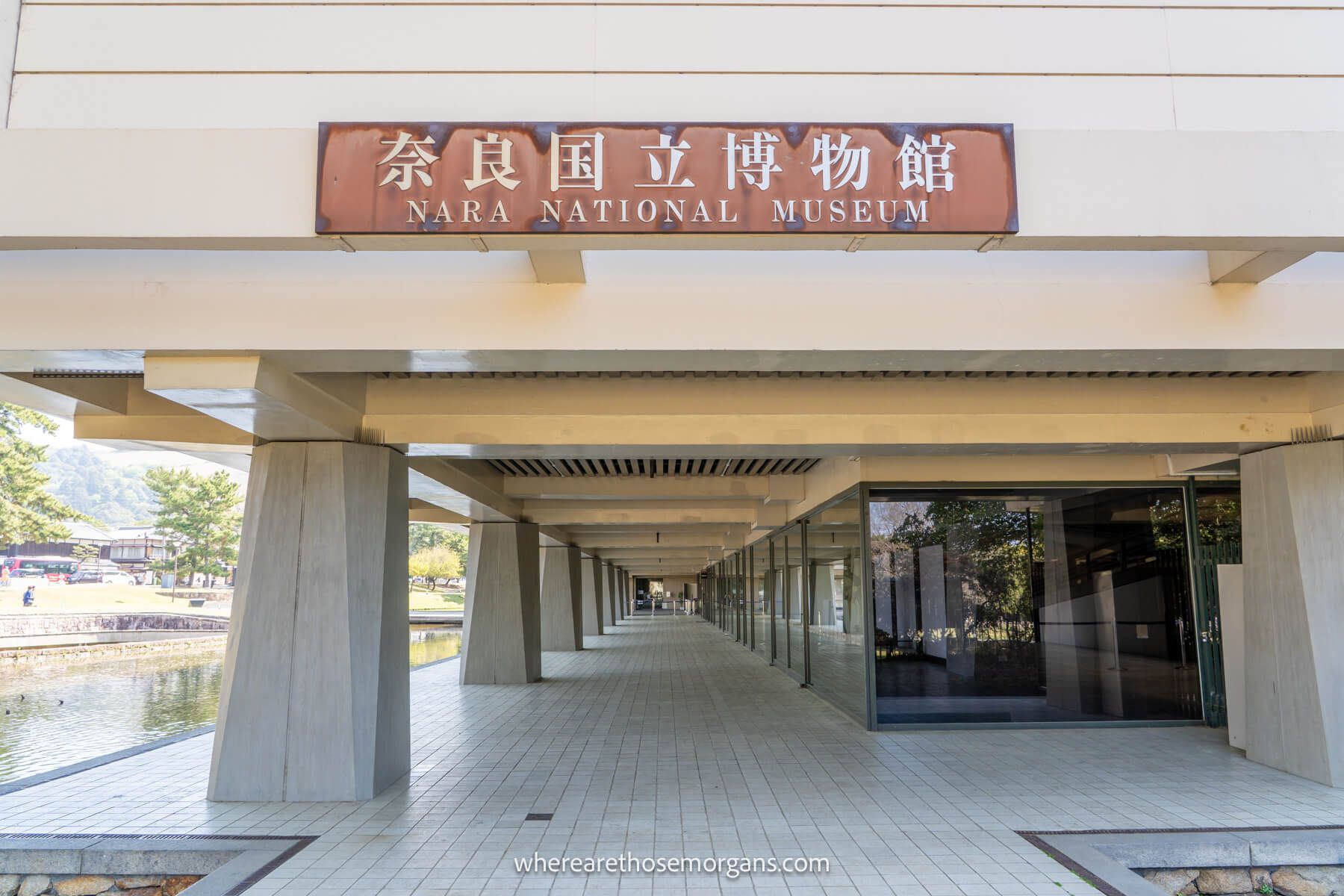
While you can visit national museums in Kyoto and Tokyo, we think the Nara National Museum is unique because it showcases a permanent collection of precious Buddhas and ancient Chinese bronze from the Shang (Yin) to Han dynasties. It also has special exhibits to explore.
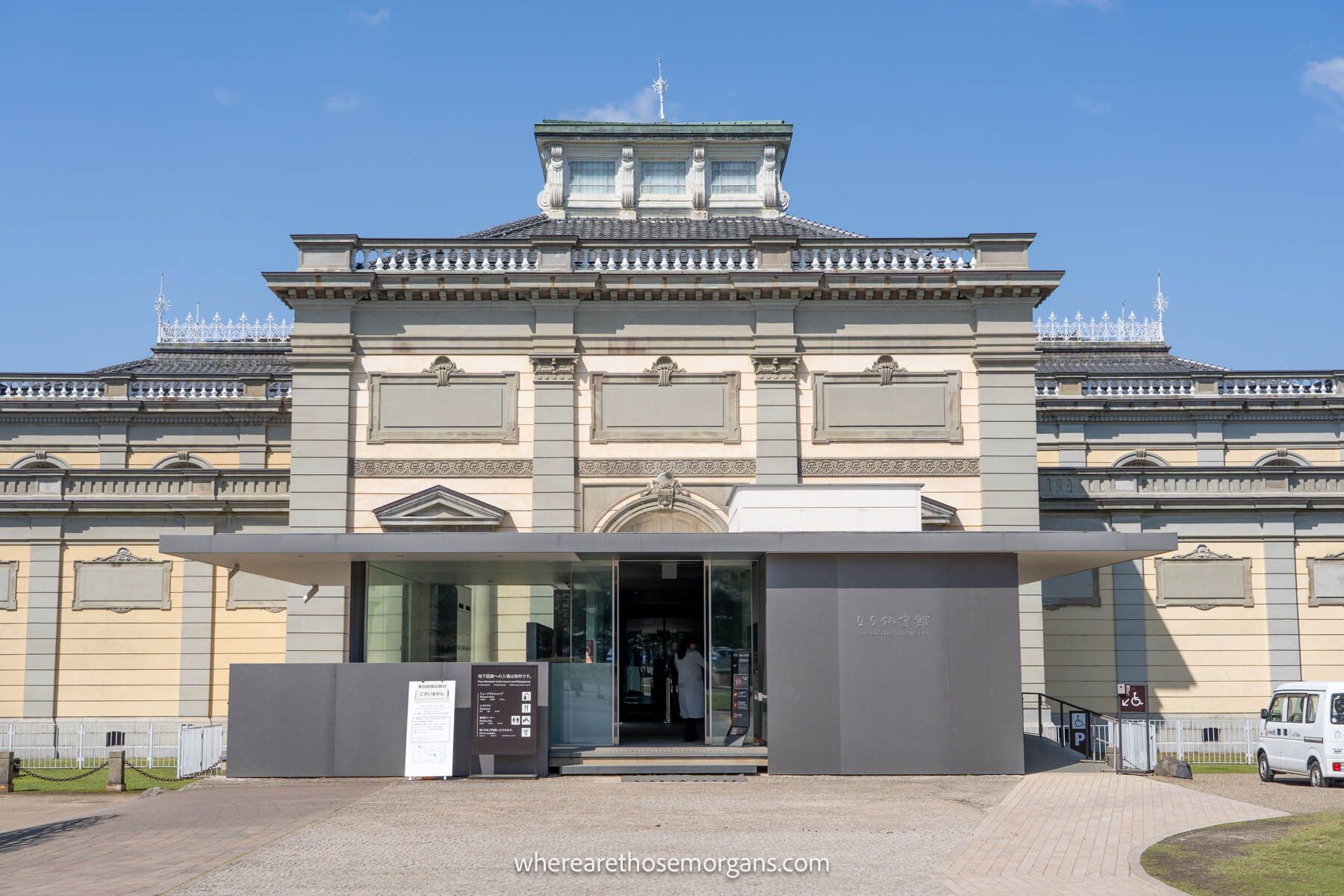
There are two buildings connected by an underground passage and we appreciated that English translation was provided for most of the artifacts. Admission is ¥700 and it’s open from 9:30 AM to 5:00 PM. Here’s the official website if you want to know more.
Kristen’s planning tip: The Nara National Museum is a popular spot for spotting sika deer. We saw tons of them gathered around the buildings during both of our trips. If you’re not sure where to go to see the deer, head for the museum and feed deer along the way for a double win.
Stop By Sarusawa-ike Pond & Ukimido Pavilion
One of our favorite photography locations in Nara is Sarusawa-ike, an artificial pond lined with willow trees that was originally created in 749 as part of Kofuku-ji Temple.
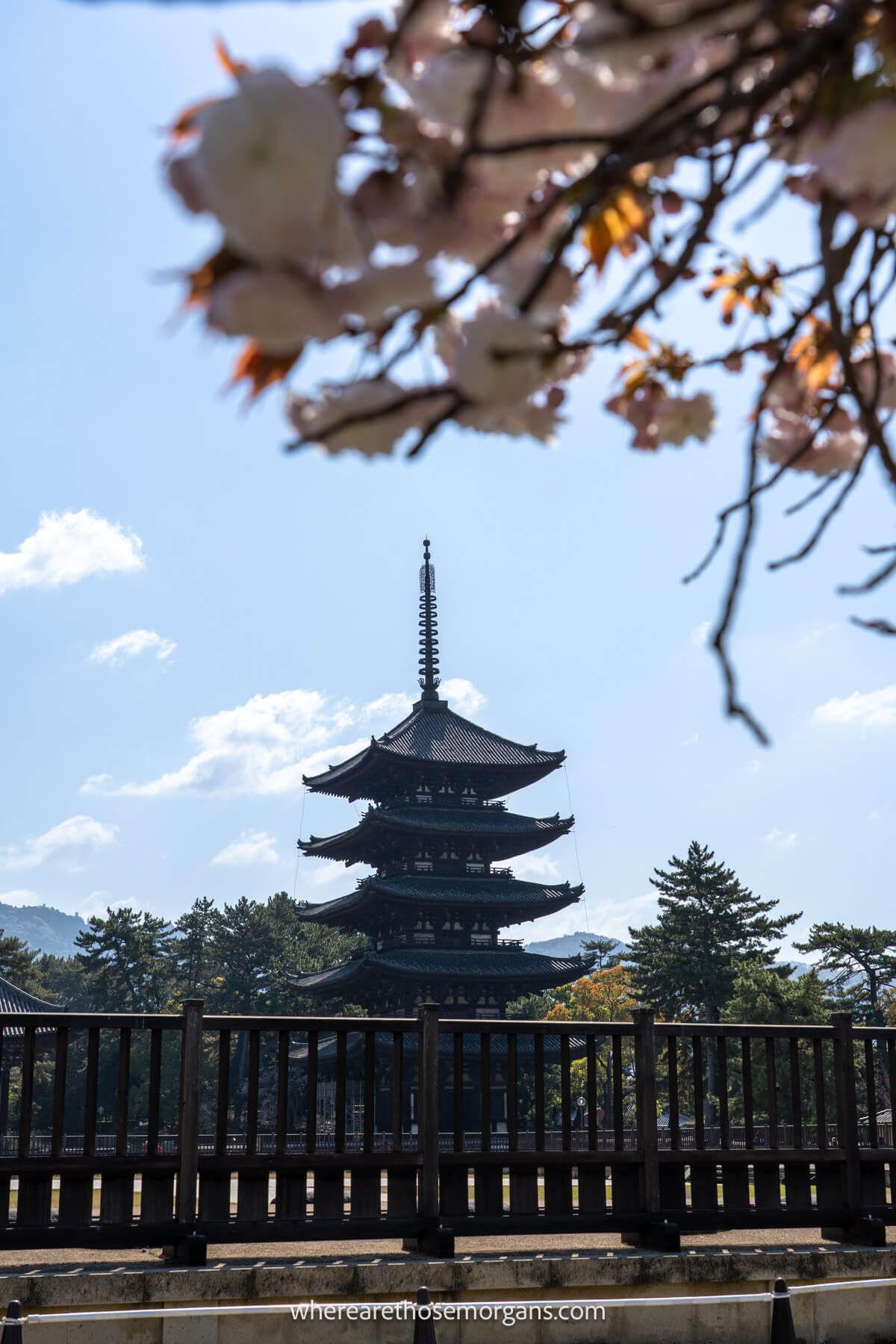
There’s a stunning view with Kofukuji’s five-story pagoda reflecting in the water, plus we also saw herons and turtles sunning themselves on the rocks as we walked the perimeter of the pond during the day. It’s located just past the Sanjo Street shopping district near tons of hotels and restaurants.
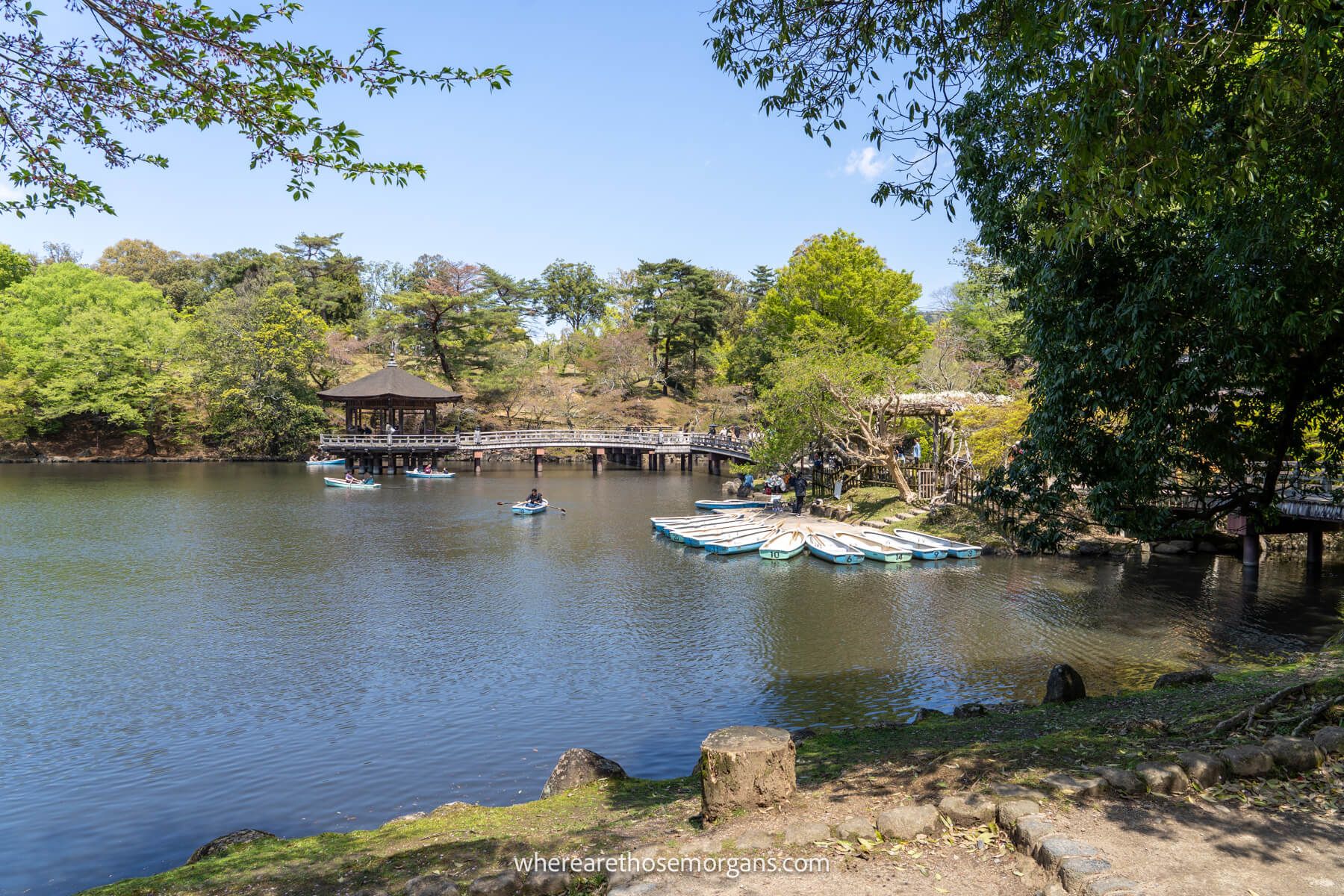
Another great photo spot is Ukimido Pavilion, which is a 15 minute walk from Sarusawa-ike on the outskirts of the park. If you visit on a calm day, you can see the pavilion reflected in the waters of Sagi Pond. It features a traditional thatched roof made from Japanese cypress bark and the best time to visit is at night when the pavilion is lit up.

We recommend walking across the wooden bridge to the middle of the pavilion to enjoy the scenery, but you can also rent a rowing boat from late March to late November.
Drink At Harushika Sake Brewery
Sake is Japan’s national drink so it’s definitely something you should try during your trip, and Nara just so happens to be the birthplace of modern refined sake. What a pleasant coincidence! Sake is made from rice, water and koji – a fungus cultivated from steamed rice, and the good news is you can try some right in town at the Harushika Sake Brewery.
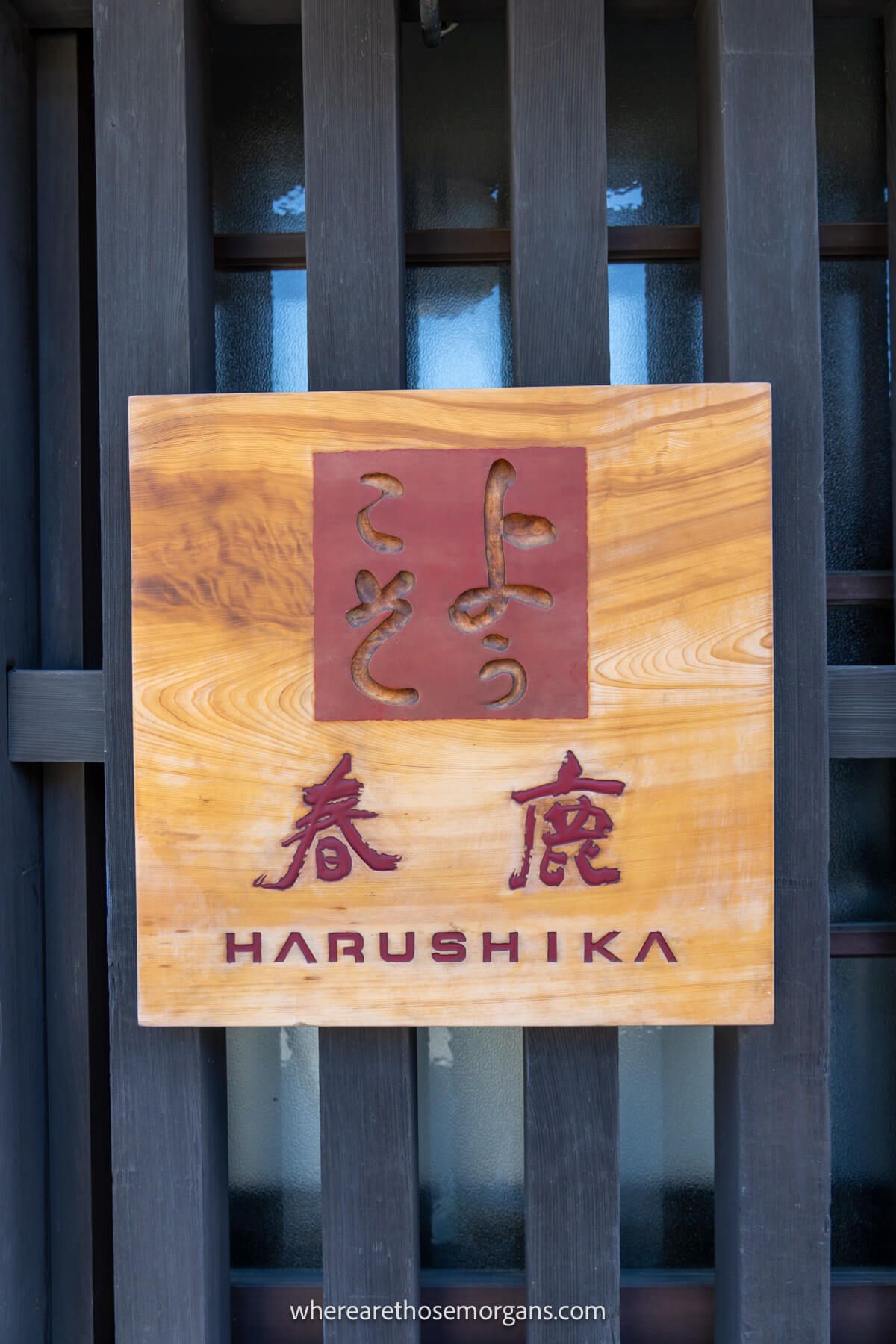
A highlight during our last trip was being able to try several different kinds of sake as we learned how it was made. We paid something like ¥700 for a tasting of 5 different flavors, which was amazing value for money.
Indulge In Shopping And Eating
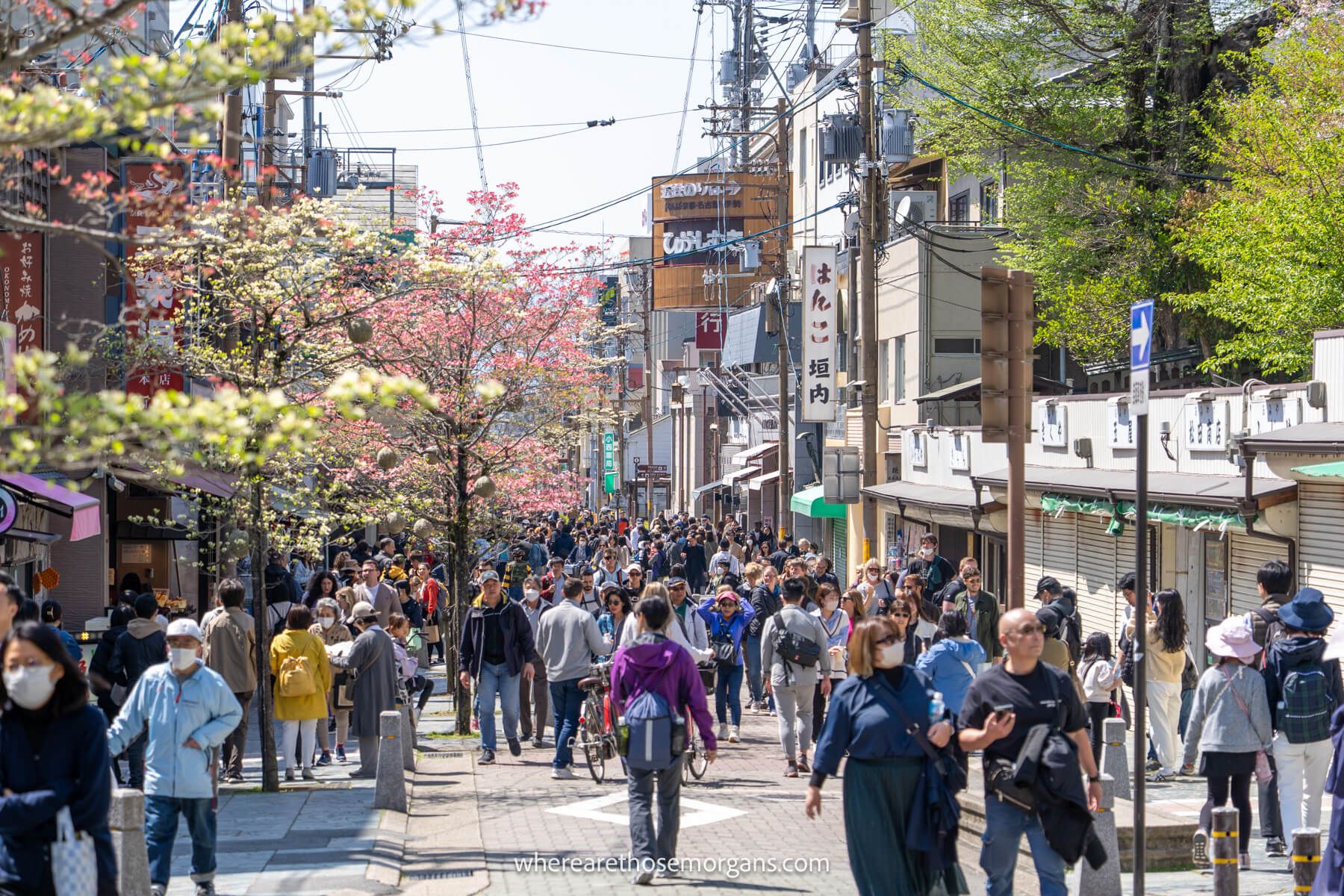
The city of Nara gets totally overshadowed by temples and deer in the park. But we actually found the city itself to be a really fun place to walk around. It has a relaxed vibe and the locals are always super friendly. When we stayed over in 2018, we noticed the whole place transform from touristy chaos to sheer tranquility in no time once the day trippers left for Osaka and Kyoto.
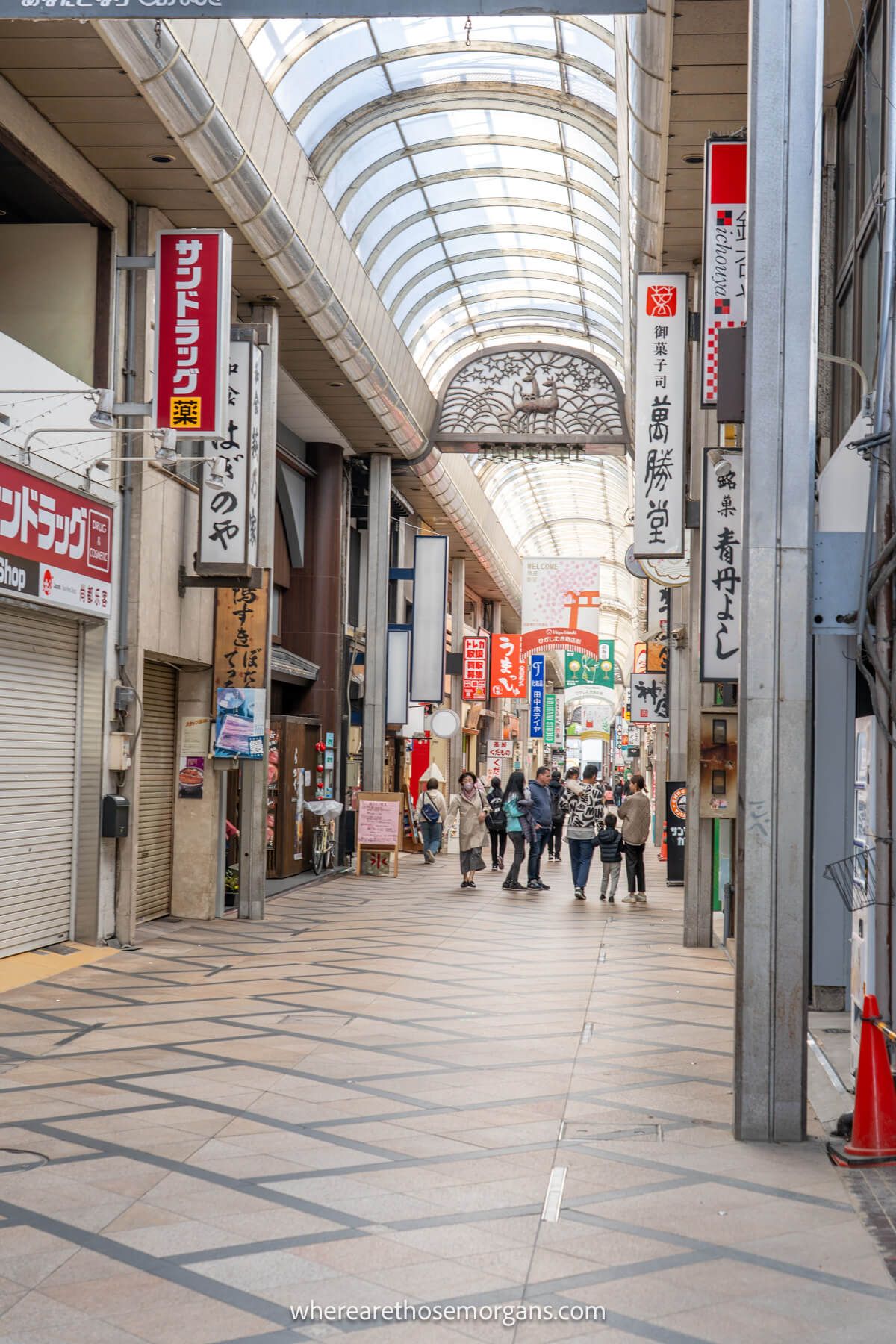
Nara has a small collection of covered shopping arcades like most Japanese cities today, just not on the scale you’ll see in Tokyo or Osaka. We always find arcades in Japan to be such an interesting contrast to the old world charm around every other corner.
If you want old world in Nara, head into Naramachi to see places like the Lattice House (Naramachi Koshi-no-Ie in Japanese). We found it so peaceful walking around the quieter streets south of town.
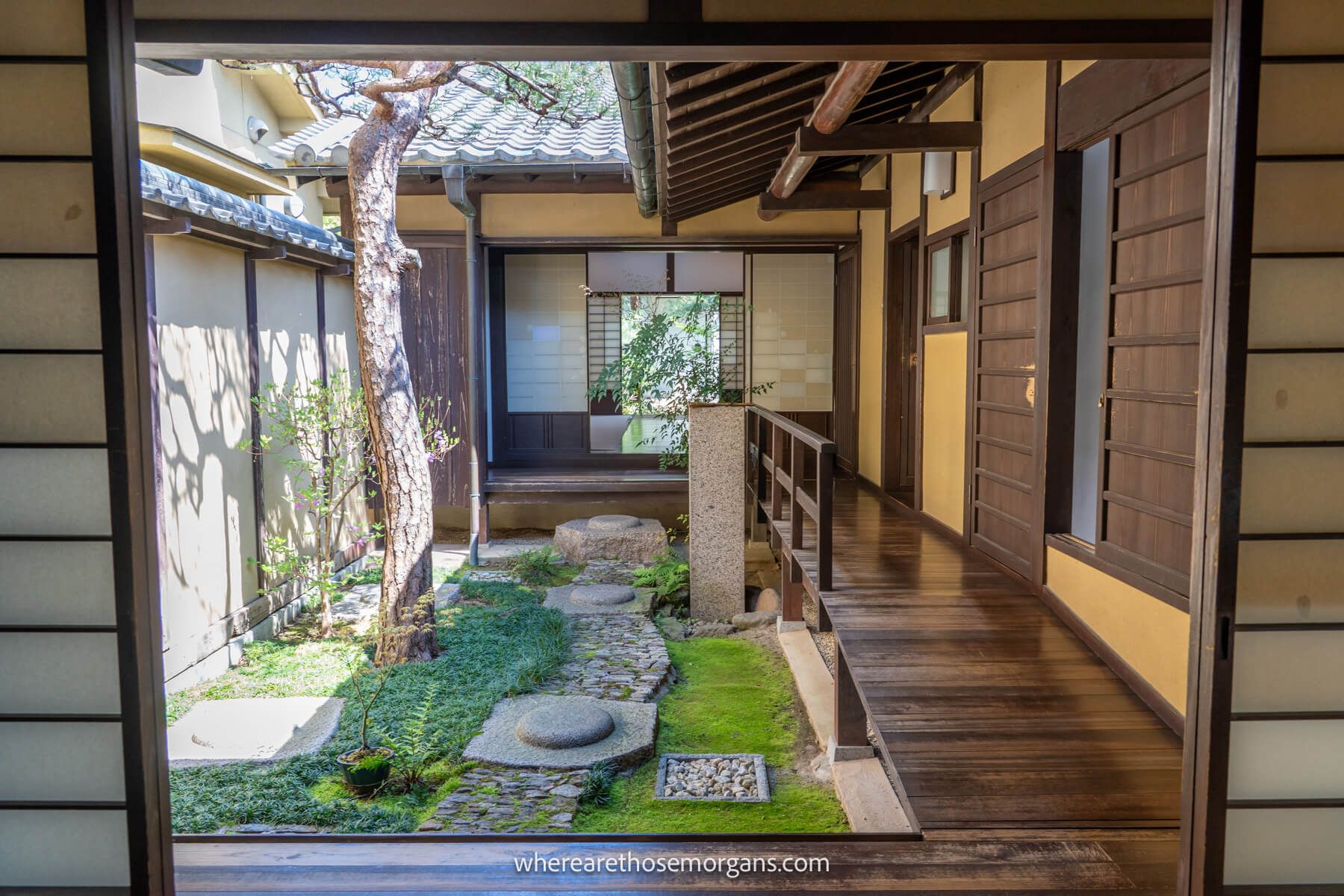
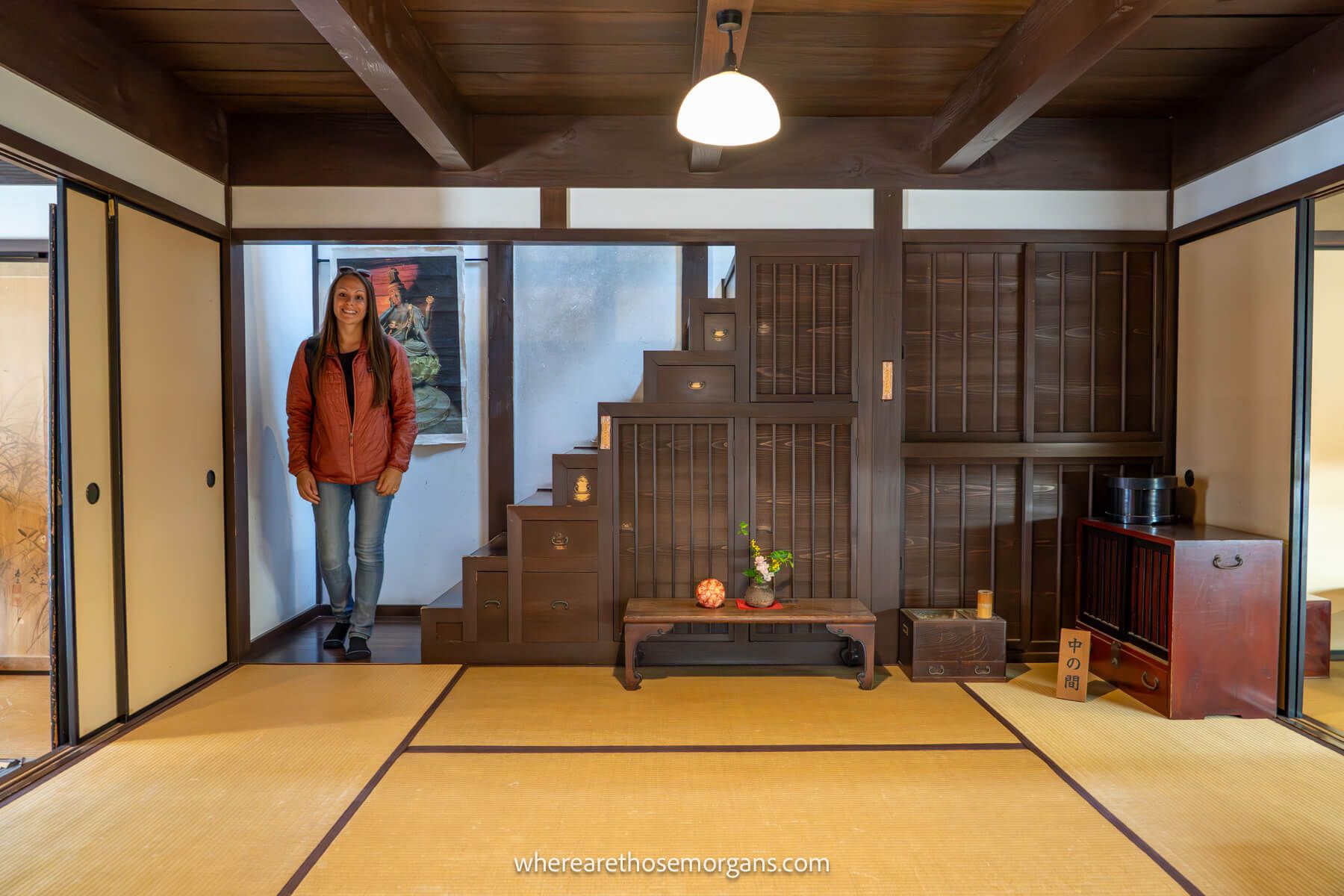
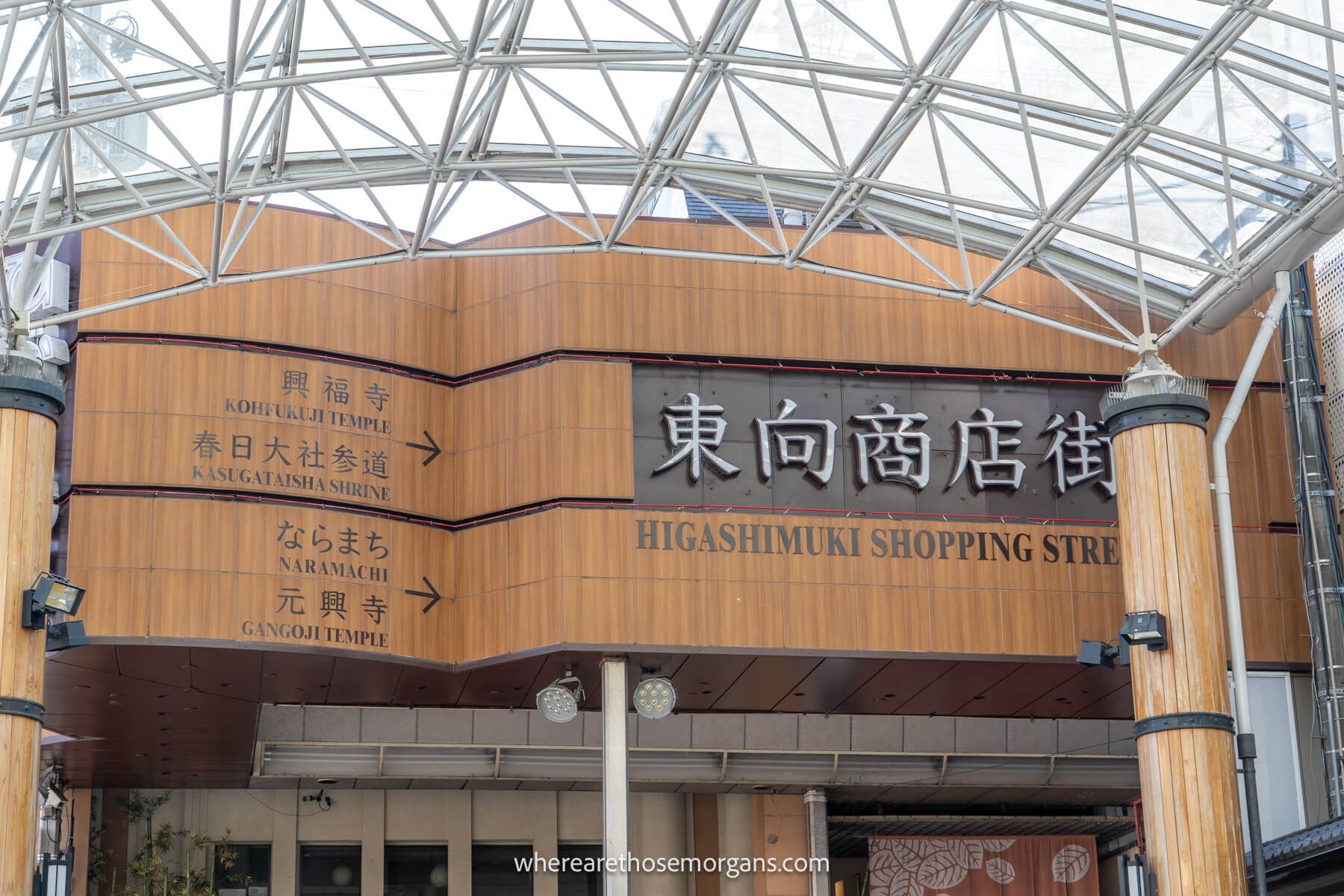
Back in town, one of the most popular spots we visited was Higashimuki Shopping Street. The covered arcade was filled with restaurants and souvenir shops, and we spent a lot of time there during our first trip when we got rained out.
For such a small city there’s certainly no shortage of dining options. We were actually quite surprised by the amount of excellent restaurants on offer. Here are a few places we’d be happy to eat:
- Kura – Cozy little izakaya with great food
- Naramachi Vegan Nabi – Vegan and gluten free options
- Sakura Burger – Popular hamburger and hot dog joint
- Surugamachi’s Okonomiyakiya – Great little okonomiyaki spot near the train station
- Wa Yamamura – Michelin star option serving traditional Japanese dishes
There are also a few restaurants we’d like to try inside the deer park:
- Le Case – Small pie shop serving tasty sweet and savory quiche
- Mizuya Chaya – Traditional teahouse within nature serving noodles
- Nagomi – High end steak and teppanyaki restaurant
Nara Attractions Map
Map key:
- Red – Attractions
- Blue – Restaurants
How to use this map: Click the map above to activate, zoom in and out, and tap any icon to see more information. See a list of all attractions by clicking the arrow icon in the top left, or see a full version of the map by clicking the “view larger map” icon in the top right. When you’re in Nara you can open the map, tap the next place you want to visit and get directions. Stops for each day on the map are listed in order, so you can easily follow the route.
How to save this map: Click the small star next to the map title – this will add the map to your Google account. Open your Google Maps app, tap “saved”, then tap “maps” and open this map.
Next Steps
We hope our guide on the top things to do in Nara helps with planning your trip.
If you’d like more personalized help, we offer expert travel planning consultations where we answer any questions you have, help you avoid tourist traps and plan out your entire itinerary step by step. See our packages and reviews.
Still researching for your trip?
- These are the top experiences in Kyoto.
- Follow our 3 days in Kyoto itinerary.
- Here’s exactly where to stay in Kyoto.
- These are the top things to do in Osaka.
- Follow our 2-day Osaka itinerary.
- Here’s where to book a hotel in Osaka.
- Here are Tokyo’s top things to see and do.
- This is our first-timers 5-day Tokyo itinerary.
- These are the best areas to stay in Tokyo.
- Here are the best places to see in Japan.
Finally, we recommend reading our Japan travel guide for first-timers to get helpful tips and advice, top attractions to see, itinerary ideas and more.
Happy travels,
Mark and Kristen
Find our guide helpful? Pin it for later!


All Rights Reserved © Where Are Those Morgans, LLC. Republishing this article and/or any of its contents (text, photography, maps, graphics, etc.) in whole or in part is strictly prohibited.

Mark and Kristen spent 5.5 years traveling the world full time, visiting over 40 countries across 4 continents and more than 30 US states. They created Where Are Those Morgans in 2018 to help others plan the best possible vacations by writing authentic travel and hiking guides based on their real experiences.
Since the arrival of baby Maya in late 2024 and Kai in 2026, Mark and Kristen’s extensive travels have slowed down, but they still take plenty of trips each year. Where Are Those Morgans now helps millions of travelers each year to visit new places and hike new trails through information-packed blog posts, expert travel guidebooks, 1-on-1 trip planning consultations, and deep-dive YouTube videos. Read more about Mark and Kristen.