
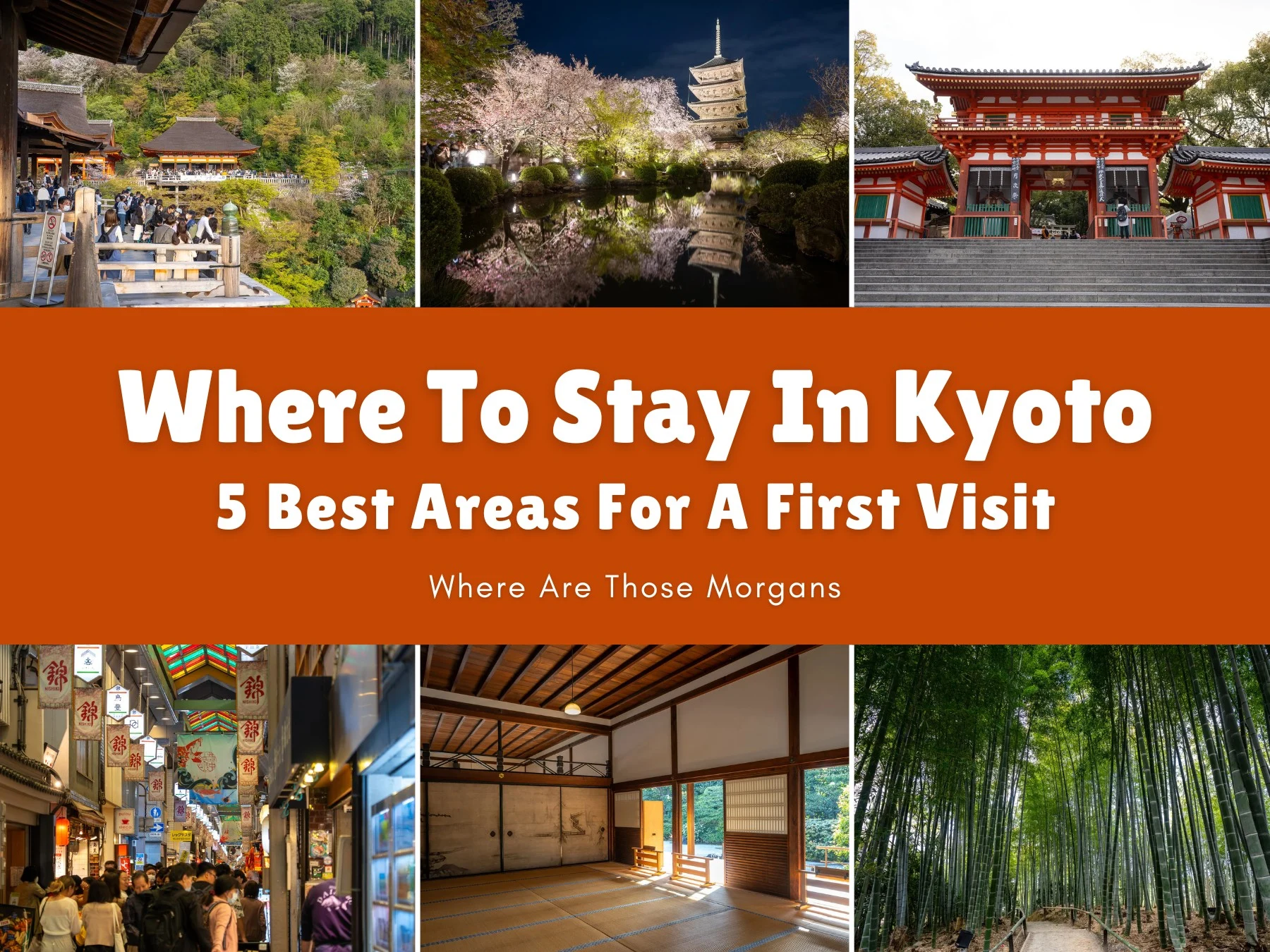
For our first 3-day trip to Kyoto in October 2018, we wanted to base ourselves near the old-world districts of Gion or Kiyomizu in Higashiyama. After researching, we quickly realized Kyoto had a vast range of excellent hotels and ryokans, but our budget was super tight because we were traveling the world for 18 months. We needed cheap, so we booked an affordable ryokan near Kiyomizu-Gojo Station. It was okay, but it turned out to be in a no-mans-land between Kyoto Station and Higashiyama. We should have paid a bit more to stay right in the historic district.
Fast forward to spring 2023, we were back for another 3 days during the famous cherry blossom season. This time we had a healthier budget and knew the city well from our first trip, so we booked a hotel in Shijo Kawaramachi, which is Kyoto’s bustling Downtown neighborhood. We chose Downtown because it’s in the heart of everything with excellent transport links to the top attractions in Kyoto. But now that we’ve been twice and seen everything, we’d book our next hotel in Higashiyama, Central, or maybe even Arashiyama.
Hi, we’re Mark and Kristen Morgan. We left our scientific careers in 2018 to become travel writers and photographers, and since then our expert guides have helped millions of travelers take better trips. Read more about us.
Why trust us with your Kyoto lodging? We travel the world and book hotels for a living, and we’ve stayed in two different Kyoto neighborhoods. As always, every photo in this guide is ours.
Throughout our two trips to Kyoto we spent long days exploring the city’s famous neighborhoods – figuring out what we liked and what we didn’t, but more importantly understanding what makes each area a good place to stay. Downtown worked for transport and a lively atmosphere, but we much preferred the ancient Gion and Kiyomizu vibe. Kyoto Station would be our top pick for a short stay with bullet train access, but we think the quieter Central Kyoto area or even the retreat-style stays in Arashiyama will be a better fit for some families and couples.
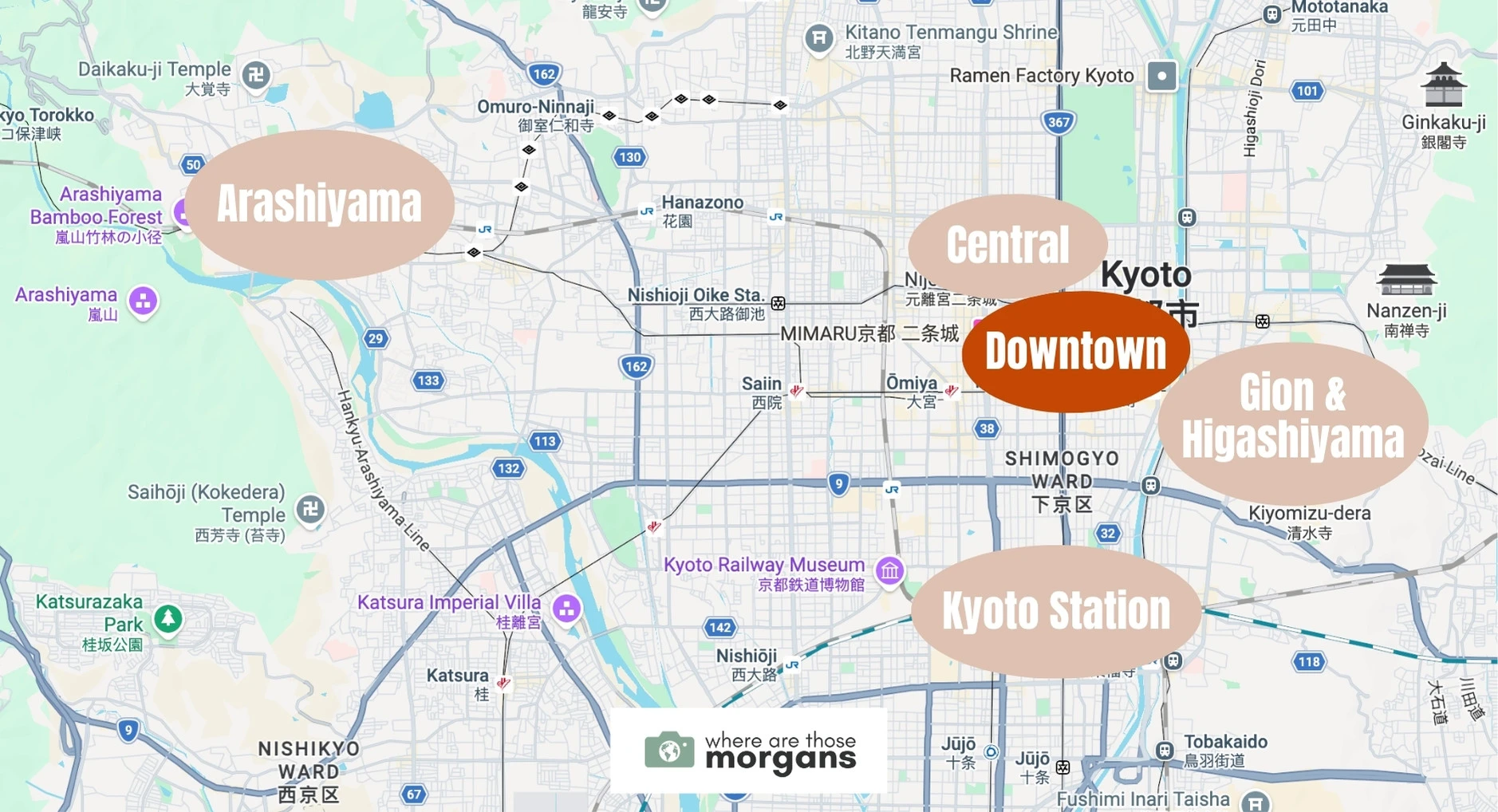
In this guide we cut right to the chase and show you the 5 areas we’d consider staying in Kyoto, with pros and cons for each area based on our experiences, and a helpful map at the end. Let’s dive in!
Note: Our content is reader supported and contains affiliate links. If you make a purchase through one of these links, we may earn a small commission at no extra cost to you and it helps us keep this site running.
Need a hand planning your Japan trip? We help independent travelers plan better, stress-free trips. Schedule a video call and we’ll build a Japan itinerary that fits your style, budget and priorities. See our travel planning help.
Our Favorite Hotels
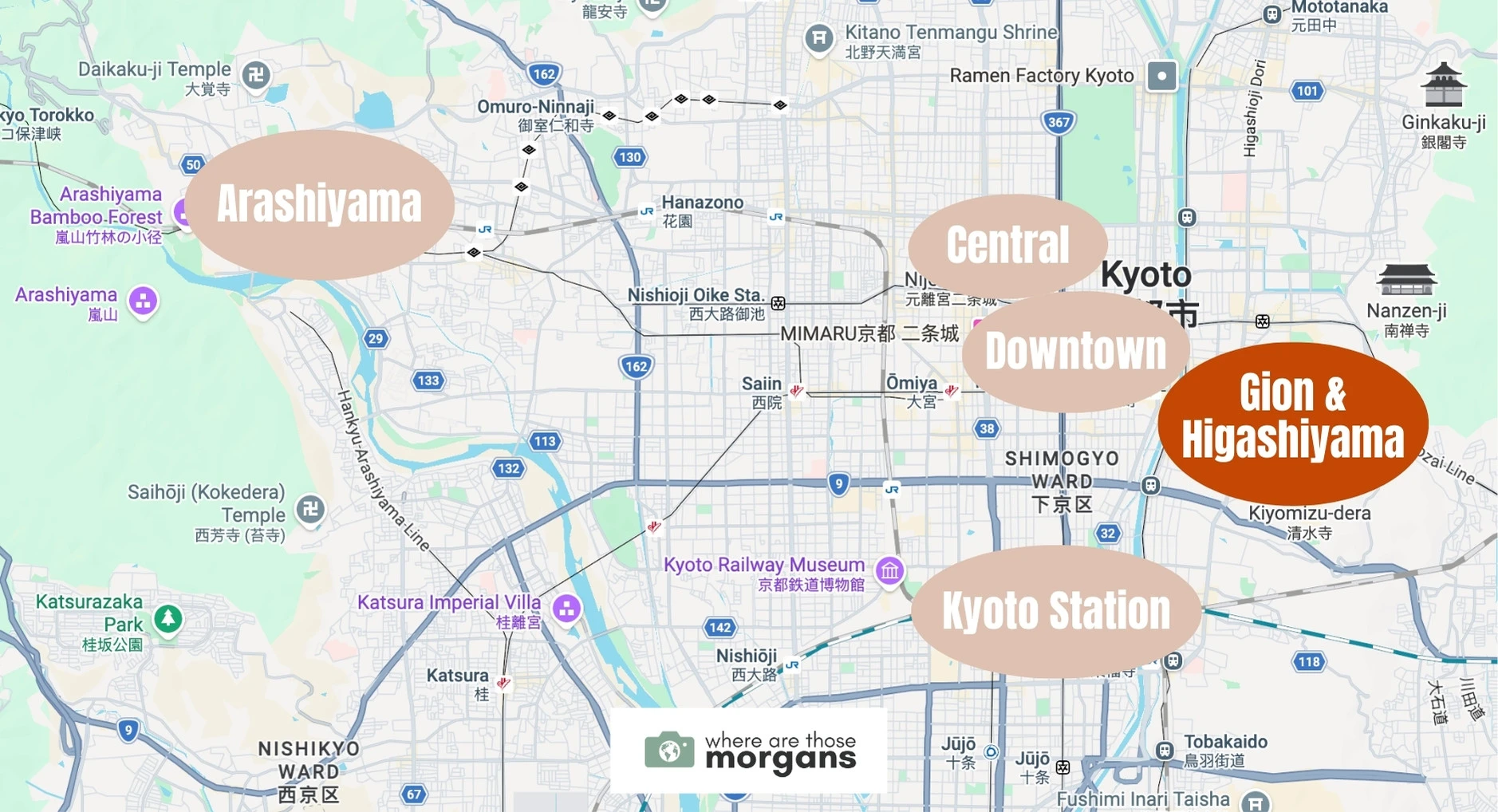
If you’re in a hurry or don’t want to read this full guide, here are our top hotel recommendations that we think will work for most first time visitors to Kyoto – based on a balance of location, quality, value for money, previous guest reviews and our own experiences. They’re all affordable hotels that we’d happily book ourselves:
🏨 Cross Hotel: We think this is the best “all-rounder” Western-style hotel in Kyoto. It has sky-high guest ratings, a superb location within walking distance to most top attractions and neighborhoods, tons of food options on the doorstep, and affordable prices.
🏨 Onyado Nono Shichijo: For a traditional Japanese onsen ryokan experience, Onyado Nono near Kyoto Station is our top pick. It’s got tatami floors, hot spring baths, free ramen at night, and top ratings. We stayed at this chain in Nara and it was fantastic. This is the easiest and cheapest way to have an authentic stay.
🏨 Insomnia Oike: We really like the look of this hidden gem in Central Kyoto. It’s cheap, has an excellent location, offers free snacks and drinks in a 24-hour lounge, and provides a unique “lifestyle” vibe that we think is rare for the city.
🏨 Hotel Forza: This is where we stayed and we would happily recommend it to friends and family. It didn’t blow us away, but it was comfortable, modern and did exactly what we needed for a low nightly rate. It has excellent ratings and a super convenient location. Cross Hotel isn’t too far away so we’d compare prices and if Forza was much cheaper, we’d go with it.
🏨 RC Hotel Yasaka: If we wanted to stay in the heart of old-world Kyoto on a low to mid budget, we’d book this industrial-cool boutique hotel. It’s got amazing reviews, a perfect location near Yasaka Pagoda, and surprisingly cheap rates.
Now, our favorite hotels in Kyoto are all excellent options with top guest ratings and affordable prices, but we hope you love to research and learn about a place before you visit like we do. Keep reading to see what makes each of Kyoto’s popular neighborhoods a good or bad area to stay for your trip. Within each district we’ll show you the top rated cheap, mid-range and luxury hotels along with highly rated traditional Japanese ryokans.
Here’s a summary of what we’re going to show you:
| Area | Price | Vibe | Why? |
|---|---|---|---|
| Downtown | $$ – $$$$ | Lively / Urban | Heart of the action |
| Gion | $$$ – $$$$$ | Historic / Atmospheric | Old Japan |
| Kyoto Station | $ – $$$ | Modern / Practical | Transit efficiency |
| Central | $$$ – $$$$$ | Boutique / Quiet | Quieter, local feel |
| Arashiyama | $$$ – $$$$$ | Nature / Scenic | Retreats, ryokans |
Downtown (Shijo & Kawaramachi)
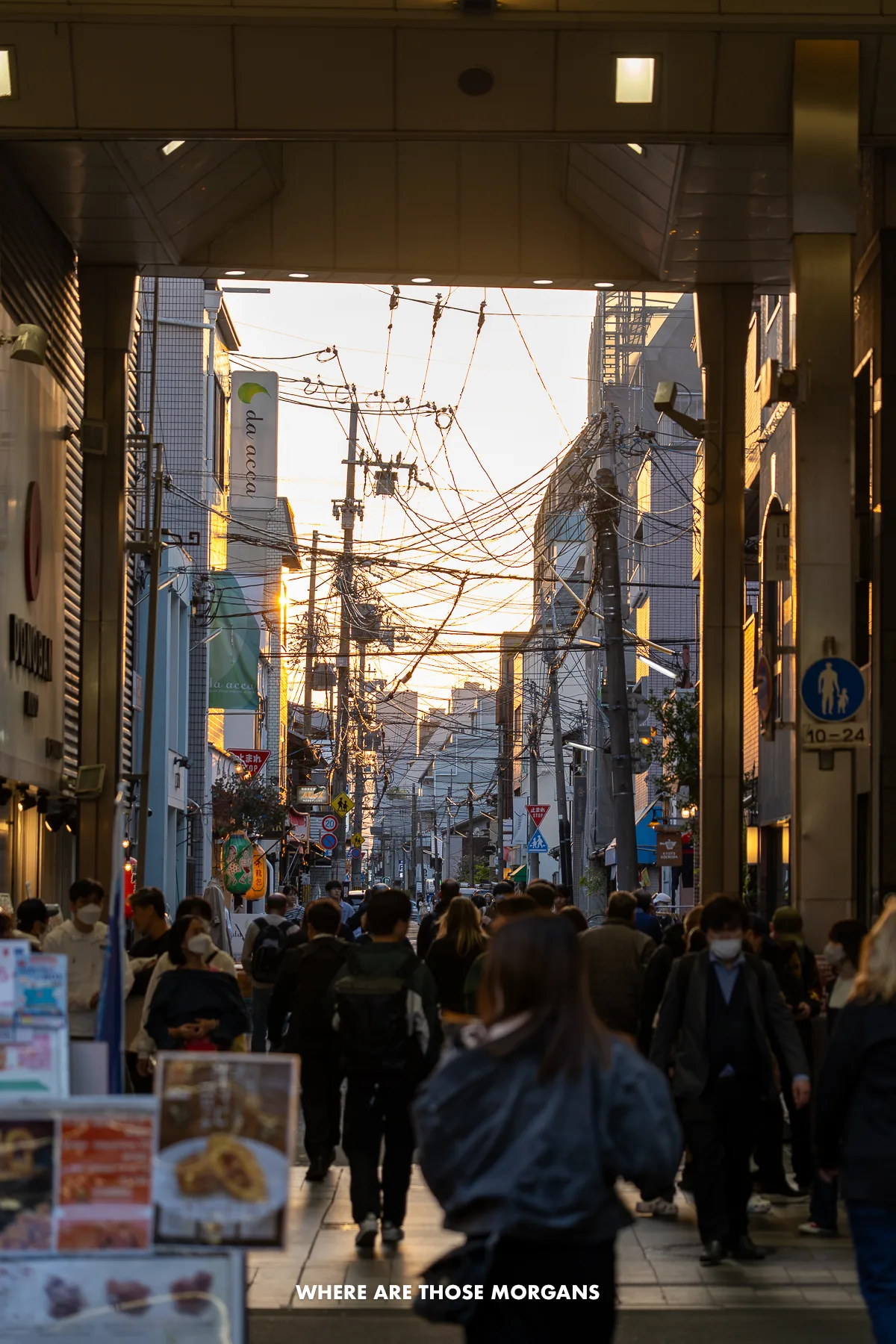
We chose to stay at the Western-style Hotel Forza in Downtown Kyoto in 2023 because we wanted easy access to several train lines. Our itinerary was jam-packed with sites across Kyoto, so we booked a hotel near the Karasuma Subway Line for direct Kyoto JR Station access, the Hankyu Line for Osaka or one option for Arashiyama, and the Keihan Main Line for Inari Fushimi.
But it wasn’t just transit connections. We actively wanted to stay in the most lively and bustling area with lots of low-key places to eat – and Downtown Kyoto (also called Shijo Kawaramachi) gave us those things in abundance. Being close to Nishiki Market, Pontocho Alley, and convenience stores like 7-Eleven meant we had plenty of decent food options on the doorstep after long days exploring.
Now, we did find Downtown to be commercialized, chaotic, and far less authentic than Gion and Higashiyama. It did not have that dreamy “ancient Kyoto” feel in the slightest. But the beauty of staying in Downtown was having the convenient food and transport benefits while still being within a 10-15 minute walk of the famous historic district. There’s also some great tour options nearby like this ninja lesson or this samurai training which both look great, and this Nishiki Market food tour.
💰 Cheap: We stayed at Hotel Forza in 2023 – it was affordable, modern, clean, quiet, and had a superb location. Similar alternatives we’d happily book on a tight budget include Hotel Grand Bach just a few buildings over, or Hotel Rings on the quieter northwest side of Nishiki Market.
💰💰 Mid-range: With a mid-range budget our top Western-style pick would be Cross Hotel, one of the best value for money hotels for first-timers visiting Kyoto. But there’s also the boutiquey Miru Nishiki near the market, Hotel Resol with tatami flooring, Tokyu Stay Sakaiza with a superb location and high ratings, or Misui Garden Kawaramachi Jokyoji for a unique “temple hotel” with a stunning onsen.
💰💰💰 Luxury: If we wanted a luxury stay in Downtown, we’d choose between the iconic The Gate Hotel Takasegawa with a rooftop bar, the chic and sustainable Good Nature Hotel, and the 5-star Mitsui Garden Hotel Sanjo Premier.
♨️ Traditional: For a traditional stay, the only place we’d consider is Yugen Kyoto Shijo. It looks like amazing – like an intimate, private residence rather than a big hotel.
Our verdict: Other than staying near Kyoto Station, Downtown is the best connected neighborhood. If we had 3+ days and planned to spend most of our trip exploring attractions like Inari Fushimi, Arashiyama Bamboo Forest, Kinkaku-ji and the Imperial Palace, Downtown would work much better as a base for getting around than the likes of Higashiyama or Arashiyama, and it has more “life” than Kyoto Station.
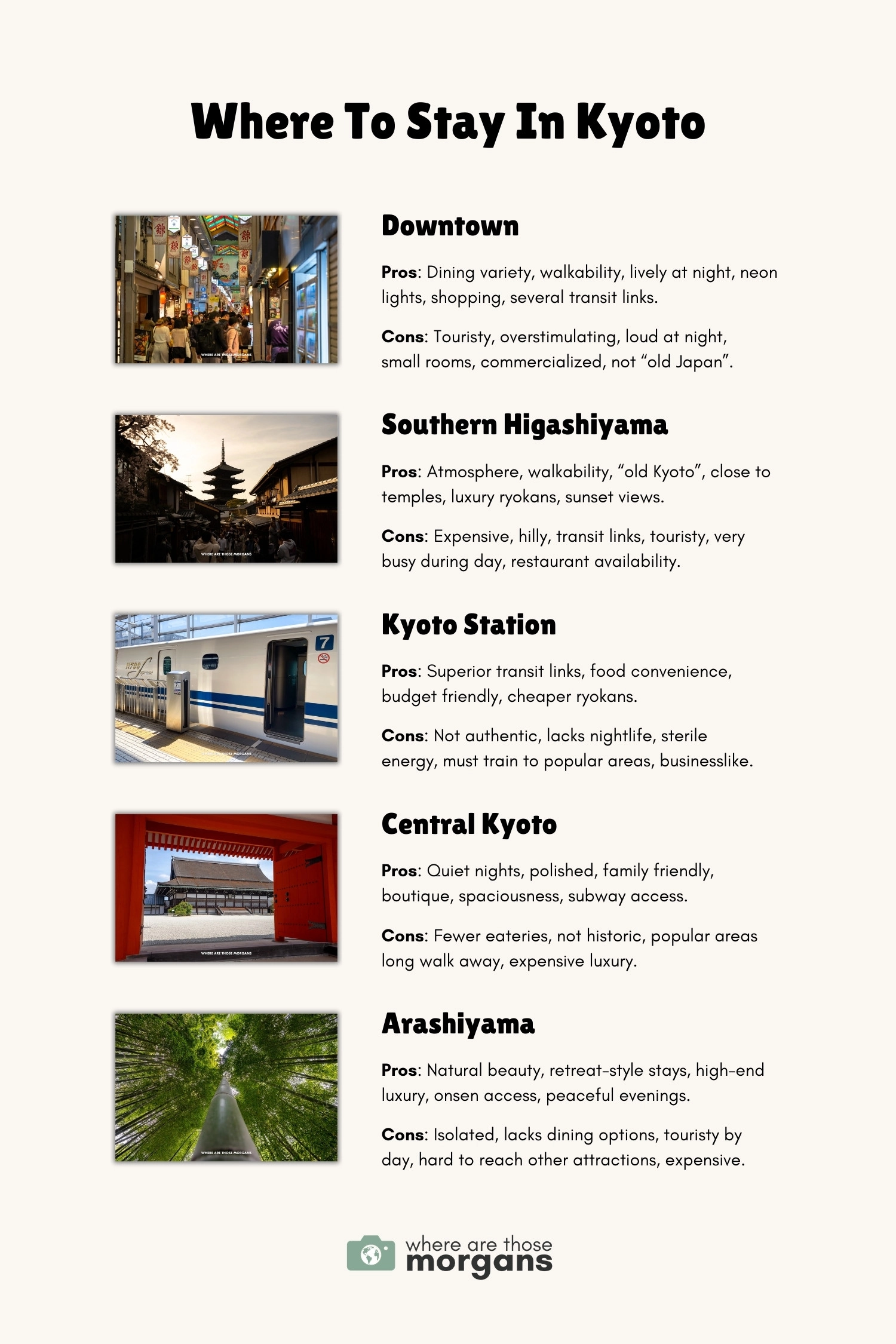
Pros
✅ Dining variety
✅ Nightlife
✅ Transit links
✅ Walkability
Cons
❌ Overstimulating
❌ Not “Old Japan”
❌ Small hotel rooms
❌ Noise
Southern Higashiyama (Gion & Kiyomizu)
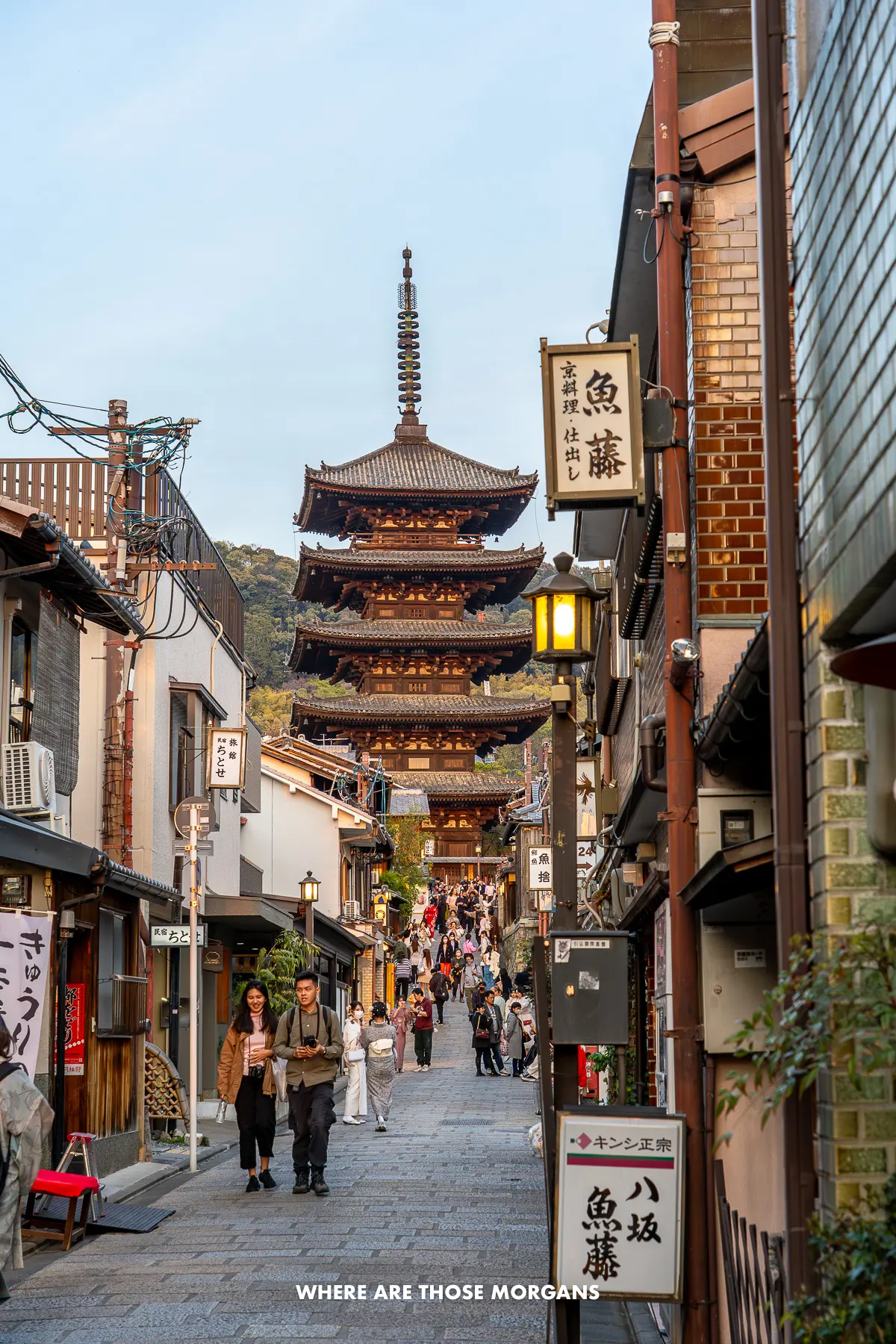
Before our first trip to Kyoto, the only place we even considered was the historic old-world neighborhoods of Gion and Kiyomizu in southern Higashiyama. We wanted that “postcard Kyoto” area with narrow streets, wooden buildings, glowing lanterns and geisha walking around. There’s also tons of amazing tour ideas like this matcha tea ceremony, geisha show, sushi making class and Gion food tour that we’d love to do. But as we mentioned earlier, we booked our cheap ryokan in the wrong place too far to the south. Cost won out over location.
The ryokan we booked doesn’t even exist anymore. But we wouldn’t stay near Kiyomizu-Gojo Station again anyway because we had to walk along the Kamo River every day to get to the livelier Downtown area with more restaurants. Instead, we’d go all-in and stay bang smack in the heart of Gion or around the famous pedestrian called streets Sannenzaka and Ninenzaka in Kiyumizu. Being surrounded by temples and “ancient world” is the whole point.
The major downside to staying in Kiyomizu is a complete lack of transport options. The closest trains are at Kiyomizu-Gojo Station or Gion-Shijo Station on the same line, which are a good walk away. Gion is closer to transport links, but from both places there’s no direct train to Kyoto Station for the bullet train. We also struggled with food in Higashiyama – it was either too busy, high-end or exclusive. Oh, and the crowds are intense all day. To avoid those crowds our advice is to wake up early, do Kiyomizu-dera at sunrise, then slowly walk down to Gion before the day trippers arrive.
💰 Cheap: It’s rare to get a cheap hotel in the main touristy part of Gion or Kiyomizu, but the industrial-chic RC Hotel Yasaka offers exactly that. Our backups would be the boutiquey Rinn Gion Hanatouro with modern Japanese rooms, the modern Wanosato Musee in a slightly quieter pocket, or Terrace Kiyomizu which has superb reviews but is further south than we’d prefer.
💰💰 Mid-range: In the mid-range budget category Granbell Hotel in the heart of Gion looks great. But we’d also consider OMO5 Gion, and Hotel Gion Ichirin which looks like a real hidden gem surrounded by temples. Miru Gion would be our alternate pick here to be on the much quieter northern side of Gion near the Kamo River.
💰💰💰 Luxury: Ever since our first trip to Kyoto in 2018, we’ve always wanted to stay at The Hotel Seiryu Kiyomizu. It’s a prestigious hotel with a famous rooftop bar and it looks amazing. But there’s some strong competition in the luxury category here, and we’d also love to book the ultra-modern Gion Elite Terrace for private saunas, or the refined Hotel The Celestine on the edge of Kennin-ji Temple.
♨️ Traditional: If we wanted an authentic Japanese-style stay in Kyoto’s most traditional area, we’d book Kyo no Yado Sangen Ninenzaka. It’s located right on the famous sloped street and has near perfect guest ratings. Our backup option would be Sakanoue.
Our verdict: We absolutely love southern Higashiyama’s serene old-world vibe. Our plan is to stay in Gion or Kiyumizu on our next visit (despite the relentless crowds), but that’s because we’ve already ticked off the city’s major tourist attractions and we would stick to Higashiyama more closely which makes it more worthwhile booking there. For a first-timer, we’d say Gion is better than Kiyomizu because it’s closer to train links, but we’d only book either area if we had at least 3 nights in Kyoto.
Pros
✅ Atmosphere
✅ Old Kyoto
✅ Luxury ryokans
✅ Close to temples
Cons
❌ Touristy
❌ Crowds
❌ Poor transit
❌ Very hilly
Kyoto Station (Shimogyo)
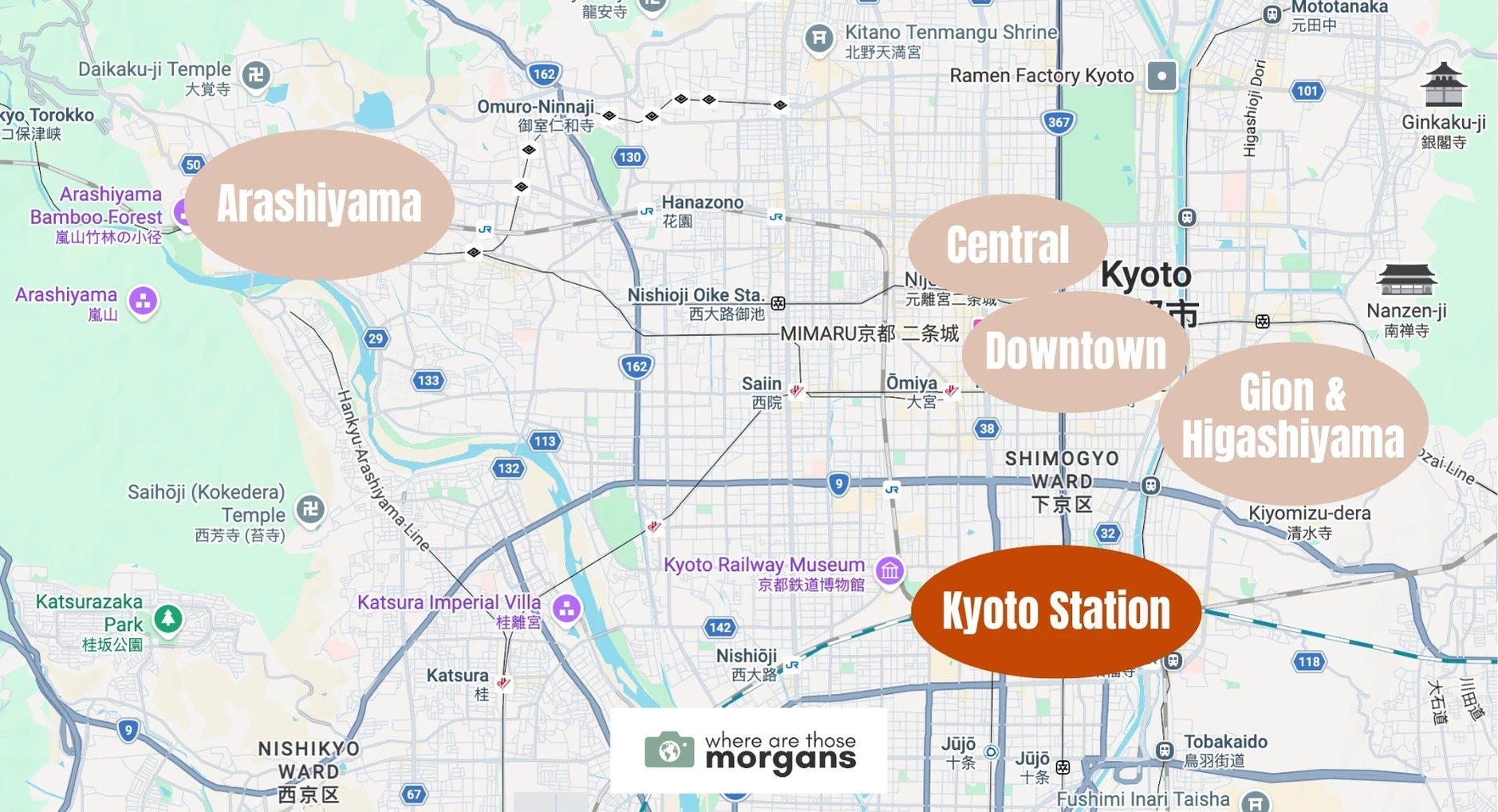
Similarly to staying near Tokyo JR Station, we think Kyoto JR Station works best for shorter trips (1-2 days) or anyone who wants the convenience of staying close to the bullet train links. If we had massive suitcases and didn’t want any hassle with taxis or trains just for a night or two, we’d book a hotel or ryokan close to the main JR Station and take trains to get around Kyoto’s attractions. It’s also the best place to get “luxury for less”.
Now, Kyoto Station is modern and not at all like the ancient Higashiyama district. But the flip side is that it’s the best connected part of Kyoto – not just with bullet train links to Tokyo, Osaka and Hiroshima – but also every local line that leads to all top attractions and even the ultra-popular Nara day trip. These convenient transit links would save so much time getting around, which is why it works best for short trips.
Another reason we like this area? Lesser-known attractions like To-ji Temple, Higashi Hongan-ji Temple, Kyoto Railway Museum, the Kyoto Tower and Sanjusangendo Temple are all within walking distance. These are all places very few people make it to because they’re too busy in Higashiyama. It’s also just a few steps to the extremely popular teamLab Biovortex. Oh, and there’s tons of food options right inside Kyoto JR Station, which adds even more convenience.

💰 Cheap: If we wanted to stay near the train station on a low budget we’d look at prices and book whichever was cheaper between ALA Hotel, Tune Stay or Richmond Hotel Premier Ekimae. They’re all similarly rated and priced, but if pushed we’d say Richmond Hotel would be our top pick.
💰💰 Mid-range: On a mid-range budget we’d look at the new and chic Hotel Vischio, the spacious Daiwa Roynet Premier, or Mimaru Kyoto Station for apartment-style rooms which would work perfectly for families or groups.
💰💰💰 Luxury: With a healthier budget our top pick near the train station would be The Thousand, which focuses on zen luxury and looks so peaceful. But we’d also look at the grand Century Hotel and Mitsui Garden Hotel to see if there were any flash deals running.
♨️ Traditional: Ryokans are typically cheaper near Kyoto Station than they are in Higashiyama, Central or Arashiyama. But our number one pick would definitely be Onyado Nono Shichijo because we stayed at the same chain in Nara and it was amazing. The whole place is tatami-floored and it has one of the best natural springs in the city. Our backups here would be Fujiya Ryokan and Kyoto Shima.
Our verdict: We think first-timers who only have 1-2 days and plan to tick off as many attractions as possible should seriously consider staying near Kyoto JR Station for those instant transit links. But personally, we wouldn’t stay in this neighborhood if we had 3+ days in town. We’d stay in Downtown, Central, or Higashiyama to be within walking distance of the main touristy areas around Nishiki Market and Gion.
Pros
✅ Best transit
✅ Budget friendly
✅ Food convenience
✅ No luggage stress
Cons
❌ Lacks soul
❌ Train to popular areas
❌ Crowds
❌ Not much going on
Central Kyoto (Nijo Castle & Imperial Palace)
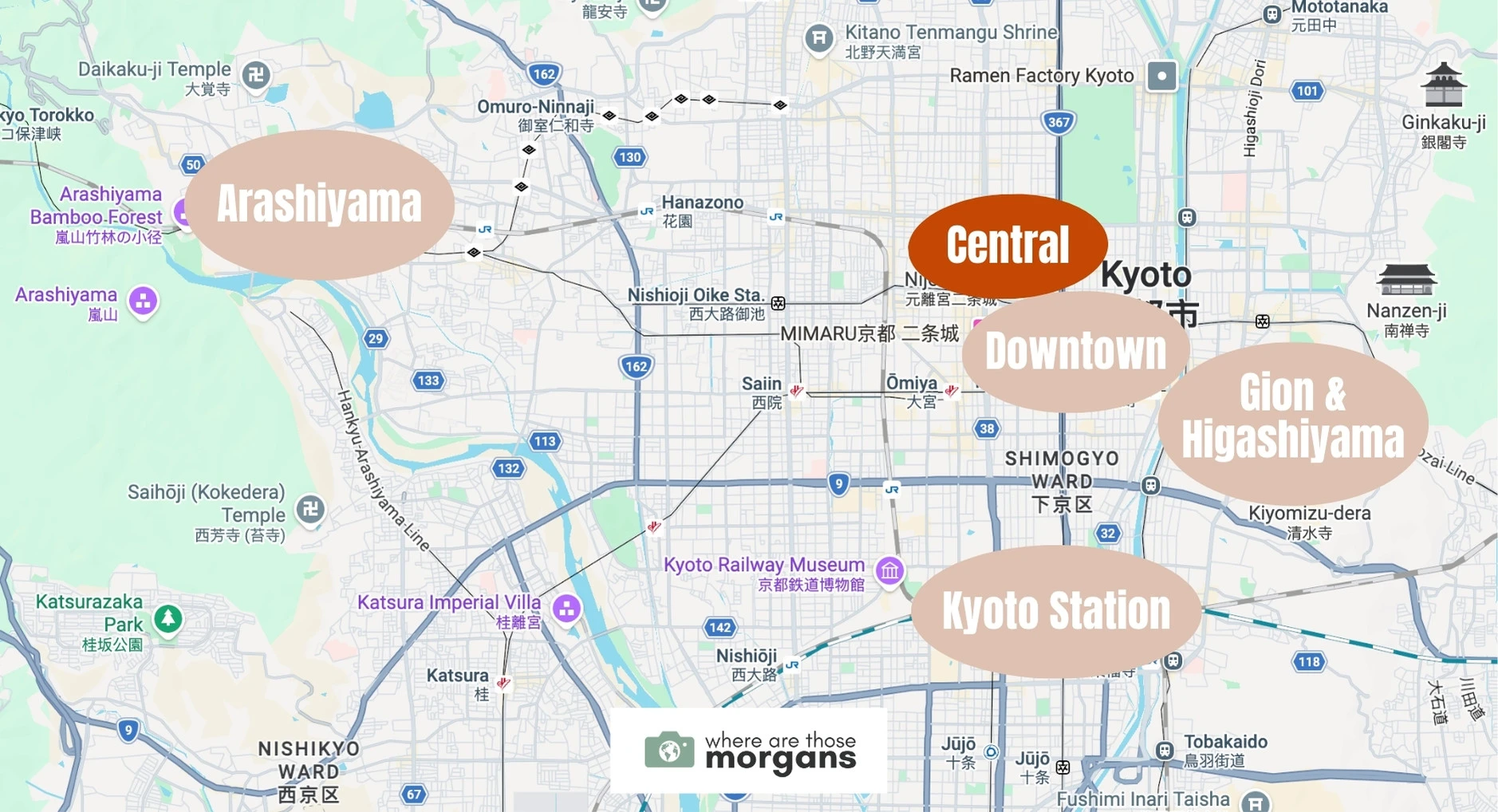
We never even considered staying in Central Kyoto on either trip because the neighborhood is a bit of a walk from Downtown and Gion, and we usually prefer to be in the heart of the action. But honestly, we think the area east of Nijo Castle and south of the Imperial Palace (known as Goshominami) could be a great spot for families with younger kids or couples who want a quieter place to stay.
We walked through this neighborhood when visiting the Imperial Palace and Nijo Castle, and we really liked the upscale residential vibe with leafy streets. It felt like a ritzy area with lots of wealthy locals and expats, similar to Upper East Side in NYC or Kensington in London. The obvious downside to staying here is a distinct lack of nearby action and nightlife, but that’s also what makes it perfect for certain travelers.
Both Downtown and Higashiyama are constantly swarming with tourists (we were often shoulder-to-shoulder and it got old), but Central Kyoto offers the exact opposite. And it might not be as close as Gion, but this area is still within reasonable walking distance to Heian Shrine, Nanzen-ji, the Philosopher’s Path and Ginkaku-ji. Next time, we’d love to take this gyoza cooking class in the heart of Central.
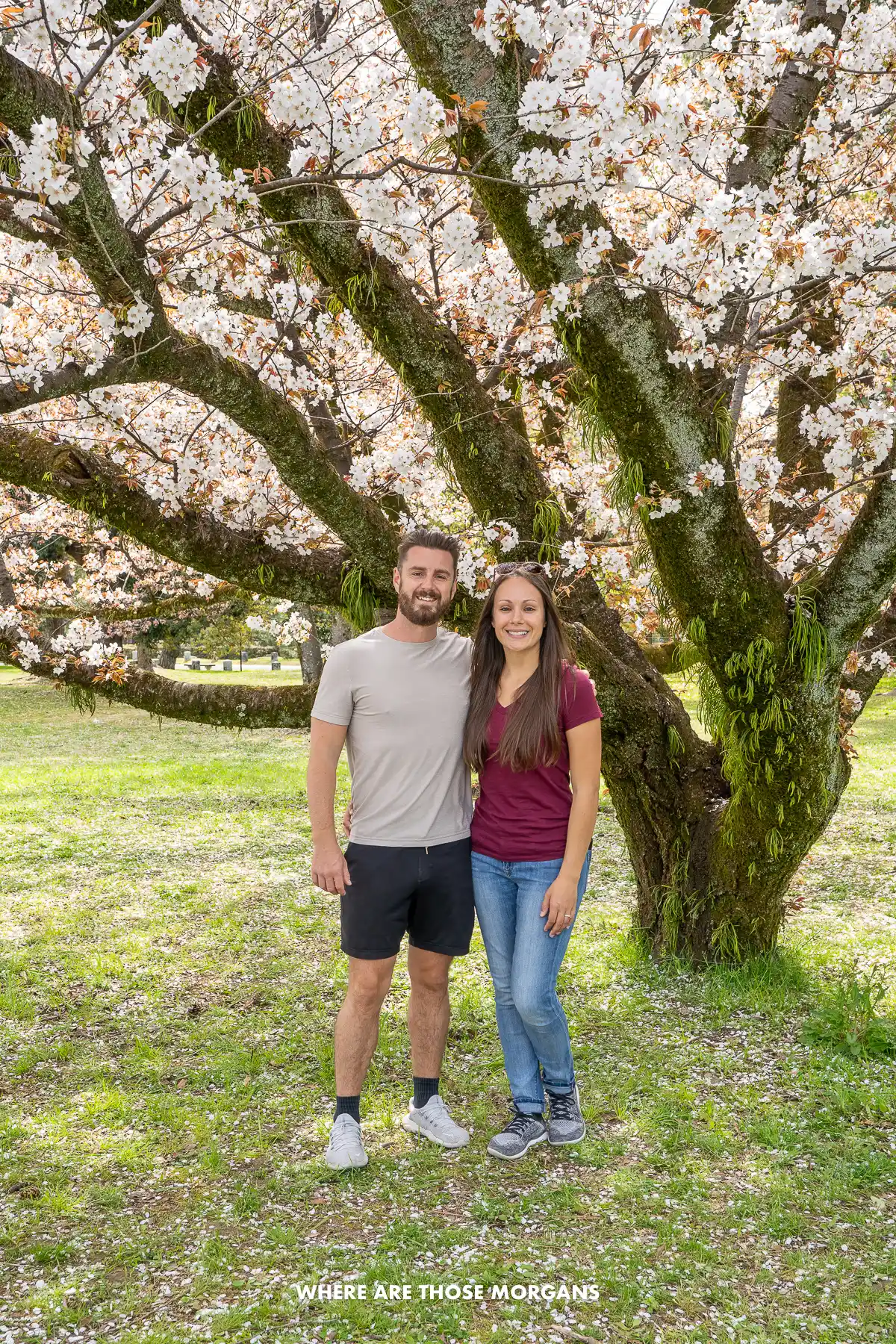
💰 Cheap: With a lower budget for Central Kyoto we’d start by looking at Insomnia Oike. It’s stylish, affordable, has a great lounge and is steps away from two subway lines. Otherwise we’d consider Tsugu Kyoto Sanjo for a cheap stay with a great on-site coffee shop, or the modern Royal Park Canvas which is located a bit further west than we’d like but has excellent ratings.
💰💰 Mid-range: On a mid-range budget we really like the look of Ace Hotel with direct access to two subway lines and sky-high ratings. But Hotel Resol Trinity looks refined and has a public bath, Homm Stat Nagi Sanjo is a popular boutique hotel with amazing service, and Hotel Canata is another intimate boutique hotel overlooking Nijo Castle.
💰💰💰 Luxury: If we had a bit more cash to splash, we’d book Hotel The Mitsui Kyoto which looks incredible and has it’s own thermal onsen. If it didn’t work, we’d also look at Mogana for a luxury boutique stay, Tomoya Residence for an upscale apartment, or Mimaru Suites Central for a bigger apartment with a kitchen – this one looks perfect for families or groups.
♨️ Traditional: Now this is where Kyoto Central really shines. On the cheaper side, we’d consider Nishiyama Ryokan or KAYA. With a healthier travel budget we’d book the highly regarded Mitsuki. And if money was no object, we’d 100% book Hiiragiya, which has glowing reviews and looks sublime.
Our verdict: If we were visiting Kyoto for the first time with young kids or we just wanted a quieter place to stay within close-ish striking distance of the livelier areas, we’d consider Central Kyoto. Arashiyama is the other quiet option, but it’s expensive and super isolated on the far west side of Kyoto. So Central Kyoto has the secluded yet connected advantage. It’s also home to the city’s best coffee shops and bakeries.
Pros
✅ Quiet nights
✅ Boutique, high-end
✅ Subway access
✅ Spaciousness
Cons
❌ Fewer eateries
❌ Modern, not historic
❌ Walking fatigue
❌ Pricey luxury
Arashiyama
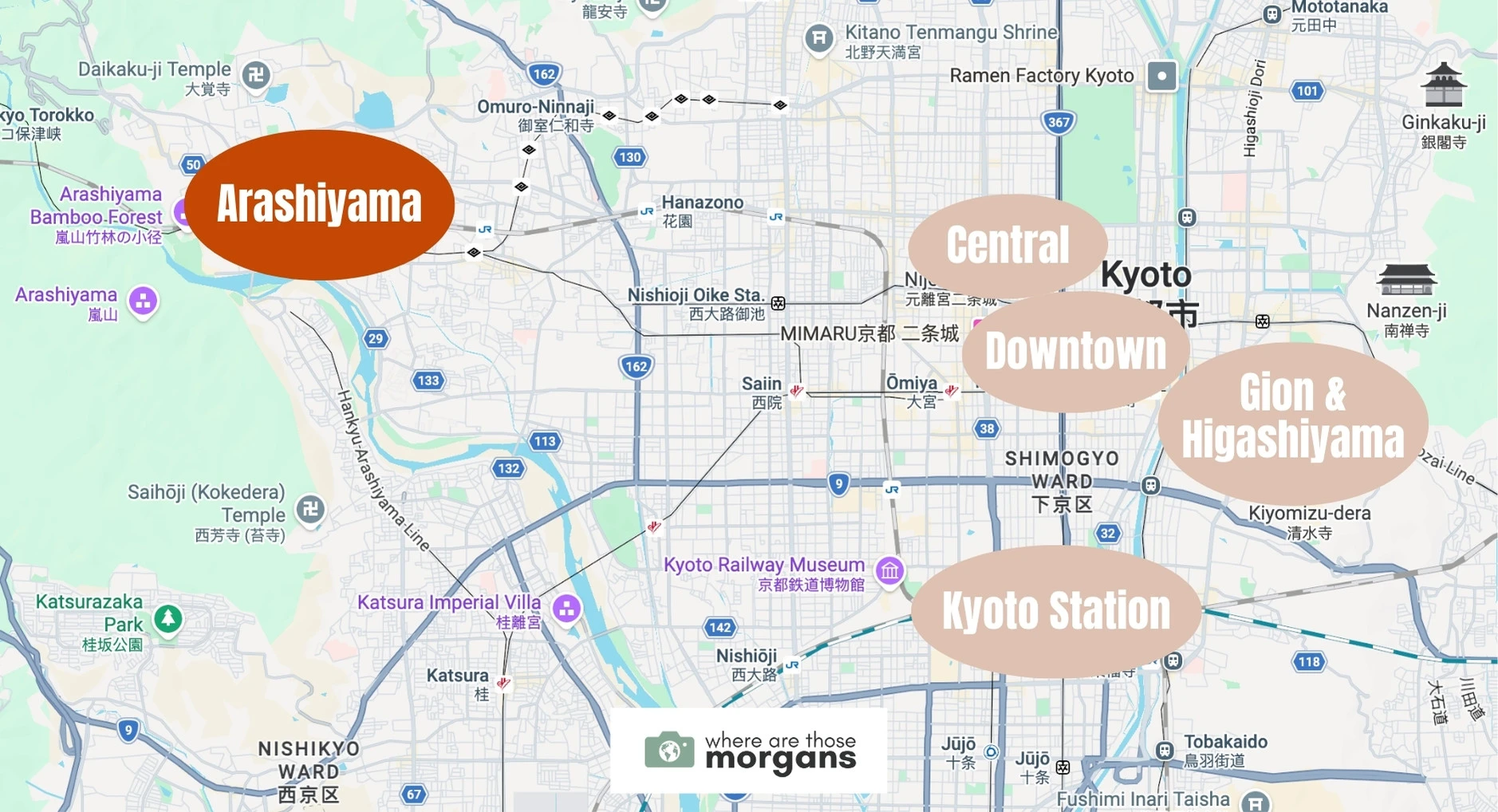
Arashiyama is the wildcard entry to our list. We almost didn’t include it because it’s so far west of the city which means it’s not an ideal location for most first-timers, but we do think it might appeal to certain travelers who want a luxury retreat in Kyoto. There are high-end luxury hotels in Central Kyoto and Higashiyama, but Arashiyama is unique in that it’s secluded and surrounded by nature.
Now, Arashiyama is best known for its famous Bamboo Forest. We actually thought it was massively overrated when we visited in 2018, but at the same time we also thought the wider Arashiyama area was lovely and we were disappointed we didn’t have more time to explore. Tenryu-ji Temple and Gardens were lovely and the Monkey Park Iwatayama had wild macaques, but there’s loads more to see nearby. We would 100% book this Arashiyama guided walking tour next time because it visits all the lesser-known areas.
The very clear downside to booking a hotel in Arashiyama is being totally disconnected from the rest of Kyoto and its major attractions. Staying there would mean taking 30-minute trains each way to travel between the Downtown or Higashiyama neighborhoods and Arashiyama. But it does have a direct JR link to Kyoto Station and the Randen Tram goes close to Kinkaku-ji (with an easy change).
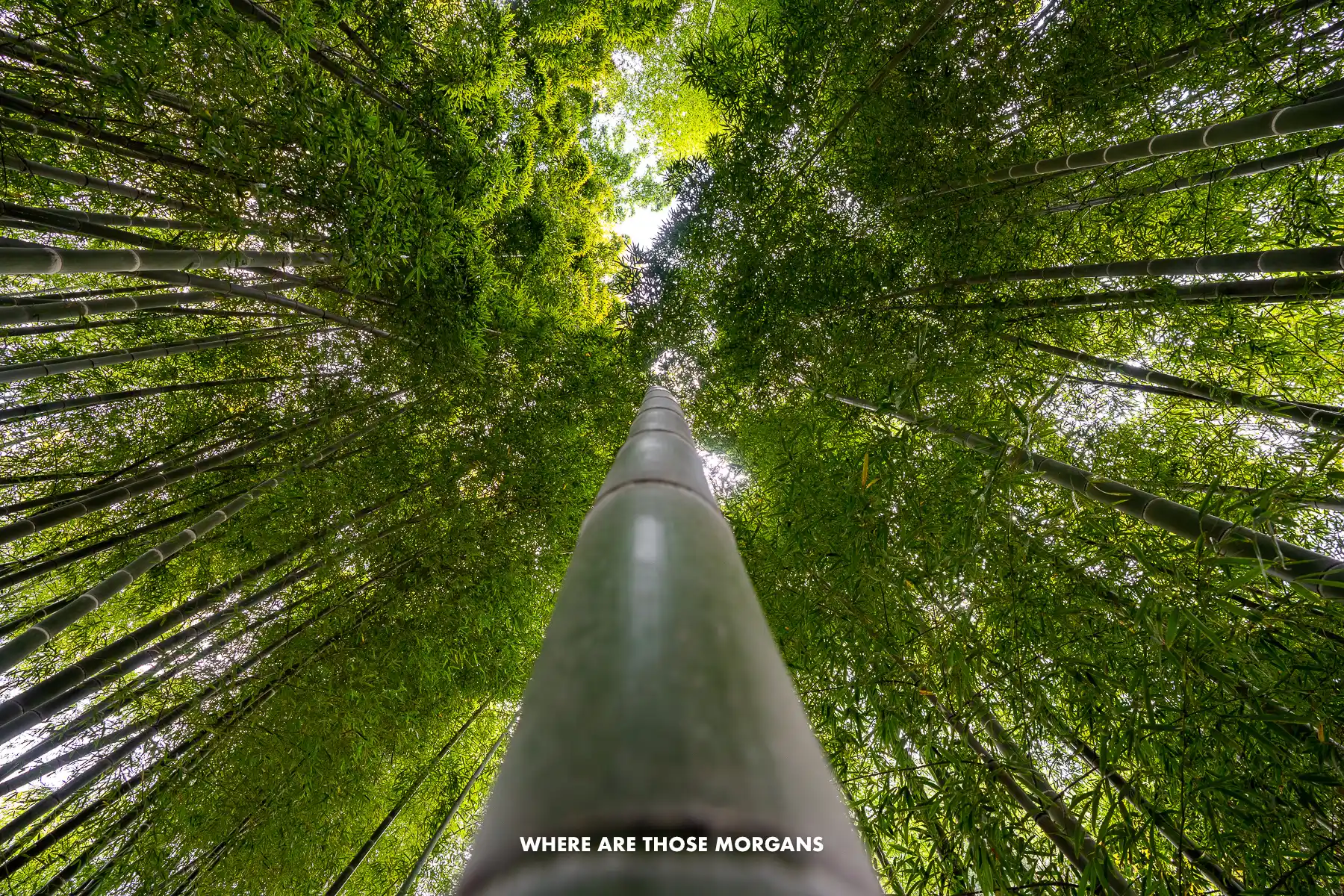
💰 Cheap: To be honest, we personally wouldn’t stay in a cheaper hotel in Arashiyama because the point would be to stay in a luxury retreat style lodging. That said, you might want an early start to get a photo in the bamboo forest. On a budget you could book Hotel Arashiyama, Yado Arashiyama, or The GrandWest which is an apart-hotel.
💰💰 Mid-range: If you wanted to bridge the gap between basic and full-blown luxury in Arashiyama, take a look at Kadensho which has private onsen baths. If that doesn’t work, try Homm Stay Nagi and Rangetsu. Don’t get us wrong, all of these mid-range hotels look excellent, but we don’t think they’re the right fit for a first timer.
💰💰💰 Luxury: Now we’re talking. There are some seriously ultra-luxe places to stay in Arashiyama, which makes it worth staying there on a first visit. If we wanted an ultimate splurge we’d book Hoshinoya which can only be accessed by private wooden boat up the river, it’s one of those “once in a lifetime” places. If the price was too much, we’d look at the 5-star Suiran which looks stunning or Muni Kyoto with a polished, modern zen luxury.
♨️ Traditional: The two ryokans we’d consider booking are Hanaikada with rooftop outdoor baths or more likely Onsen Ryokan Togetsutei which has a traditional kaiseki (multi-course) dining experience. Doing a ryokan surrounded by nature in Arashiyama could be a good way for first-timers to see another side of Japan if only visiting Tokyo, Kyoto and Osaka.
Our verdict: Arashiyama is a place we’d only consider staying if we wanted a more luxurious and secluded ryokan experience. For 95% of first timers, any of the other 4 neighborhoods will work better because they have far superior access to most attractions. But after the non-stop chaos of Tokyo and Osaka, it might be nice to spend a few tranquil nights surrounded by nature, right?
Pros
✅ Natural beauty
✅ Post 5:00 PM peace
✅ High-end luxury
✅ Onsen access
Cons
❌ Isolated
❌ Dining options
❌ Touristy by day
❌ Hard to reach attractions
Kyoto Neighborhoods Map
Map key:
- Green – Cheap hotels
- Red – Mid range hotels
- Blue – Luxury hotels
- Orange – Ryokans
How to use this map: Click the map above to activate, then tap any hotel icon to see more information. See a list of all hotels and neighborhoods by clicking the arrow icon in the top left, or see a full version of the map by clicking the “view larger map” icon in the top right.
How to save this map: Click the small star next to the map title – this will add the map to your Google account. Open your Google Maps app, tap “saved”, then tap “maps” and open this map.
Where To Avoid Staying
Southern Higashiyama: Gion and Kiyomizu are stunning and we plan to stay there next time. But if you value privacy (don’t want to feature in every single person in Kyoto’s Instagram feed) or hate feeling like you’re in a theme park, Higashiyama probably isn’t the place you should stay.
Northern Higashiyama: We loved walking the Philosopher’s Path from Nanzen-ji to Ginkaku-ji, but we absolutely would not book a hotel in that area. It’s lovely and peaceful, but there are no transit links whatsoever, which would mean long walks every day to reach any other part of Kyoto.
Arashiyama: This is the big one you have to be careful with. For secluded nature, it’s unbeatable. But a lot of people don’t realize just how quiet and isolated it is from the rest of Kyoto. Perfect if that’s the exact thing you’re looking for, not great if you want to see the rest of the city. Don’t book it just because of the bamboo forest (our hidden gem tip is to visit the mini-bamboo forest in Kodai-ji Temple instead).
Fushimi Inari: We know it’s tempting to stay near Kyoto’s most famous attraction – and it is awesome – but honestly you’d regret booking a hotel nearby. The area is geared up entirely for day trippers, there’s nothing else to do nearby and it’s super quiet at night. You’d spend 20 minutes commuting on the JR line every day just to get into Kyoto. Don’t do it.
Uji: We’d say the exact same thing for Uji as for Fushimi Inari. Uji is the matcha capital and looks lovely, but it’s a place to visit rather than stay. It shuts down early and would be constant commuting into Kyoto.
Kinkaku-ji: Kyoto’s famous Golden Pavilion is a special photo spot, but it’s isolated and it’s a real pain to reach from anywhere in the city. We took a train and bus in 2018, then a taxi in 2023. What does this mean? It means don’t stay there because you’ll be dependent on the bus network or expensive taxis to get anywhere.
Vibe: For us, the key to picking the right place to stay in Kyoto is to consider the exact vibe you want. Looking for old-world charm and buzzing atmosphere? Stay in southern Higashiyama. Want a lively area near Gion with excellent transit links? Stay in Downtown. Prefer a quiet high-end area within striking distance? Book Central Kyoto. Need a tranquil retreat? Go to Arashiyama. Want instant bullet train access? Stay near Kyoto Station.
Our Top Tips
Luxury tax: As of March 2026, Kyoto’s accommodation tax is the highest in Japan. They’ve introduced a 5-tier scale based on room rate, per person. Splurging on a room over 100,000 yen comes with a 10,000 yen (US $65) per person, per night tax bill. Tax is usually collected in cash or card at the front desk, even if the room is prepaid. Here’s the official announcement (translate it to English).
Buses: Kyoto’s buses are too busy, too slow and the lines are massive. Plus, they’ve recently introduced a new rule effectively banning large suitcases from city buses. Stick to trains, or taxis as a backup.
Gion: Don’t book a hotel in Gion thinking you’re going to have a dreamy Geiko/Maiko (Geisha) experience. The reality is, Gion isn’t a theme park and the Geisha aren’t celebrities. There are loads of strict rules in place about tourists taking photos and not being allowed down certain alleys.
Smoking vs non-smoking: We were surprised to learn that smoking rooms still exist in Japan, and they do smell very much like smoke. Double check your booking to make sure you get non-smoking if you want to avoid that smell.
Check-in: Most Kyoto hotels have rigid 3:00 PM check-in times. Whenever we tried to get early check-in anywhere in Japan we had to pay extra for it. Check with the hotel to see how much it costs if you need to get in early.
Twin beds: We always sleep in the same bed when we travel, except in Japan. The rooms are always small and a “double” typically has a tiny bed (like a “full” in the US), so now we just get twin beds. The alternative is to book an expensive “king room”, but honestly, twin beds in Japan are among the comfiest we’ve ever slept in.
Western vs traditional: Kyoto is one of the best places in Japan to stay in a traditional ryokan. There are even onsen ryokans in Arashiyama with natural hot spring baths. But it’s important to know that some ryokans have very firm beds on the floor with very firm pillows. We’ve stayed at some amazingly comfortable ryokans, but also some where it was like sleeping on a concrete block. It’s a fun experience you should try, but read reviews and look to see what people are saying about bed comfort.
And finally, we travel for a living so read our guide explaining the easy steps we follow to book cheap hotels and grab yourself a cheaper Kyoto hotel.
Next Steps
We hope our neighborhoods guide helps you figure out where to stay in Kyoto.
If you’d like more personalized help, we offer expert travel planning consultations where we answer any questions you have, help you avoid tourist traps and plan out your entire itinerary step by step. See our packages and reviews.
Still researching for your trip?
- Here are the top things to do in Kyoto.
- This is how to spend 3 days in Kyoto.
- Here are the best places to visit in Osaka.
- Follow our 2-day Osaka highlights itinerary.
- Here’s where to stay first time in Osaka.
- Don’t miss these top Tokyo attractions.
- Here’s our first-timers 5 day Tokyo itinerary.
- These are the best areas to stay in Tokyo.
- This is what to see and do in Nara.
- These are Japan’s bucket list destinations.
- Follow our better 2-week Japan itinerary.
Finally, we recommend reading our Japan travel guide for first-timers to get helpful tips and advice, top attractions to see, itinerary ideas and more.
Happy travels,
Mark and Kristen
Find our guide helpful? Pin it for later!
All Rights Reserved © Where Are Those Morgans, LLC. Republishing this article and/or any of its contents (text, photography, maps, graphics, etc.) in whole or in part is strictly prohibited.

Mark and Kristen spent 6 years traveling the world, visiting over 40 countries across 4 continents and more than 30 US states. They created Where Are Those Morgans in 2018 to help others plan the best possible vacations by writing authentic travel and hiking guides based on their real experiences.
Since the arrival of baby Maya in late 2024, Mark and Kristen’s extensive travels have slowed down but they still take plenty of trips. Where Are Those Morgans now helps millions of travelers each year to visit new places and hike new trails through information-packed blog posts and expert travel guidebooks. Read more about Mark and Kristen.