
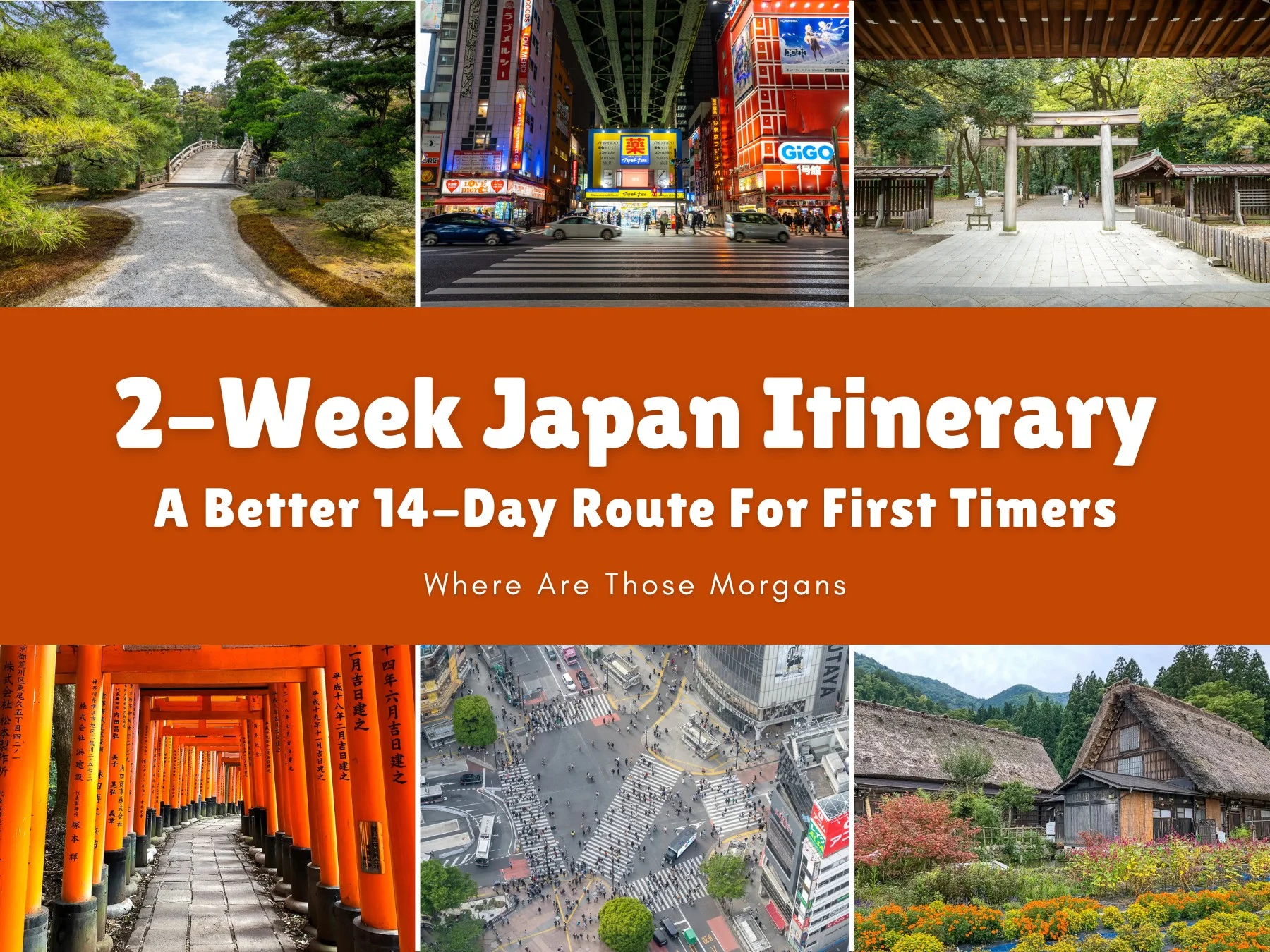
Our first 2-week trip to Japan was back in the fall of 2018. We’d just spent 3 months exploring Europe, before taking a few days in Dubai and Hong Kong on the way to Japan, which was the first stop on our Far East adventure. We landed in Osaka, then visited Nara, Kyoto, Takayama, Shirakawa-go, Kanazawa, the Alpine Route, and finally Tokyo. Our budget was rock bottom (it had to last another 12 months and 2 continents!) so we stayed in cheap hotels and ryokans, ate mostly out of 7-Eleven’s, paid for each train rather than buying a 2-week JR Pass, and took no tours. If we’re being totally honest, we didn’t do the route justice, but we still had the most amazing first experience.
Fast forward to April 2023, we’d just spent 6 months living in Kuala Lumpur, Bangkok, Siem Reap and Seoul, and we decided to end our second Asia trip with another 2 weeks in Japan because we loved it the first time around. This time we landed in Tokyo, then visited Kyoto, Hiroshima, Osaka and Hakone before heading back to Tokyo for our flight to the US. We had a healthy budget, stayed in steady mid-range hotels, ate mostly at low-key hole-in-the-wall spots with the occasional splurge, and bought JR Passes to get around. Our itinerary planning was stronger because we were experienced travelers by then, but you know what? We preferred the route from 2018.
Hi, we’re Mark and Kristen Morgan. We left our scientific careers in 2018 to become travel writers and photographers, and since then our expert guides have helped millions of travel planners take better trips. Read more about us.
Why trust us with your Japan itinerary? After visiting 10+ places across 4 weeks in Japan, we know where to go, where to skip, and how long to spend in each area. As always, every photo in this guide is ours.
Now, we know most first-timer guides will tell you to go to Hiroshima and Hakone. Don’t get us wrong, we enjoyed both places and we wouldn’t tell you not to go. But if we were doing Japan again and only had 2 weeks, we’d swap them for the northern Alps in a heartbeat. Takayama and Kanazawa felt like old Japan without the crowds, and the Japanese Alps added a more “once in a lifetime” bucket list vibe to our first trip. If seeing Hiroshima’s Peace Park is your top priority, this might not be the guide for you. But if you want to see the Japan of samurai houses, alpine peaks and hidden villages, keep reading.
Note: Our content is reader supported and contains affiliate links. If you make a purchase through one of these links, we may earn a small commission at no extra cost to you and it helps us keep this site running.
Need a hand planning your Japan trip? We help independent travelers plan better, stress-free trips. Schedule a video call and we’ll build a Japan itinerary that fits your style, budget and priorities. See our travel planning help.
Our 2-Week Japan Itinerary At A Glance: Why This Route Wins
Most 14-day Japan itineraries include Hakone for Mt Fuji views and Hiroshima for the Peace Memorial Museum. We’ve done both, and here’s our honest take.
Hakone was genuinely enjoyable with beautiful scenery, but Mt Fuji was mostly blocked by closer hills. And even with perfect weather (which isn’t always the case), we found it slightly underwhelming. The various modes of transport to reach Lake Ashi from Odawara were fun, but it was also very time consuming. We’d call Hakone a nice bonus for a second trip, or a great spot for a special retreat-style experience – but we don’t think it’s an essential first-timer experience.
Hiroshima is a harder conversation. The atomic bomb history is of course important, and we respect that many people prioritize it. But despite enjoying exploring the rest of the city (and Miyajima Island), we found it be less remarkable than other places in Japan. The museum was the main reason we visited in 2023, and while sobering and tragic, we didn’t think the museum alone was a more fulfilling experience than our Alps loop in 2018.
If bearing witness to that history is meaningful to you personally, go. But from a pure travel planning perspective (that is our job after all), we don’t think Hiroshima is worth adding to a tight two-week itinerary because it’s a long detour built almost entirely around one museum.
The northern Alps route gave us something totally different to “just another city” – places that felt like Japan as it used to be. Takayama and Kanazawa are genuine hidden gem alternatives to the well-trodden path, and the Japanese Alps added a scale and drama that neither Hakone or Hiroshima could match.
Crucially, our route doesn’t sacrifice time in Tokyo, Kyoto or Osaka – it just replaces the classic detours with better ones.
Practical snapshot:
- Destinations: 9
- Duration: 14 full days (plus arrival/departure)
- Trains: 9
- Buses: 4
- Pace: Fast-paced but doable, geographically efficient
- Best time: April-November (Note: Alpine Route closed in winter)
- JR pass: Not worth it, book individual tickets
- Daily budget: $$$ (mid-range: $150-$200 per person/day)
Route highlights:
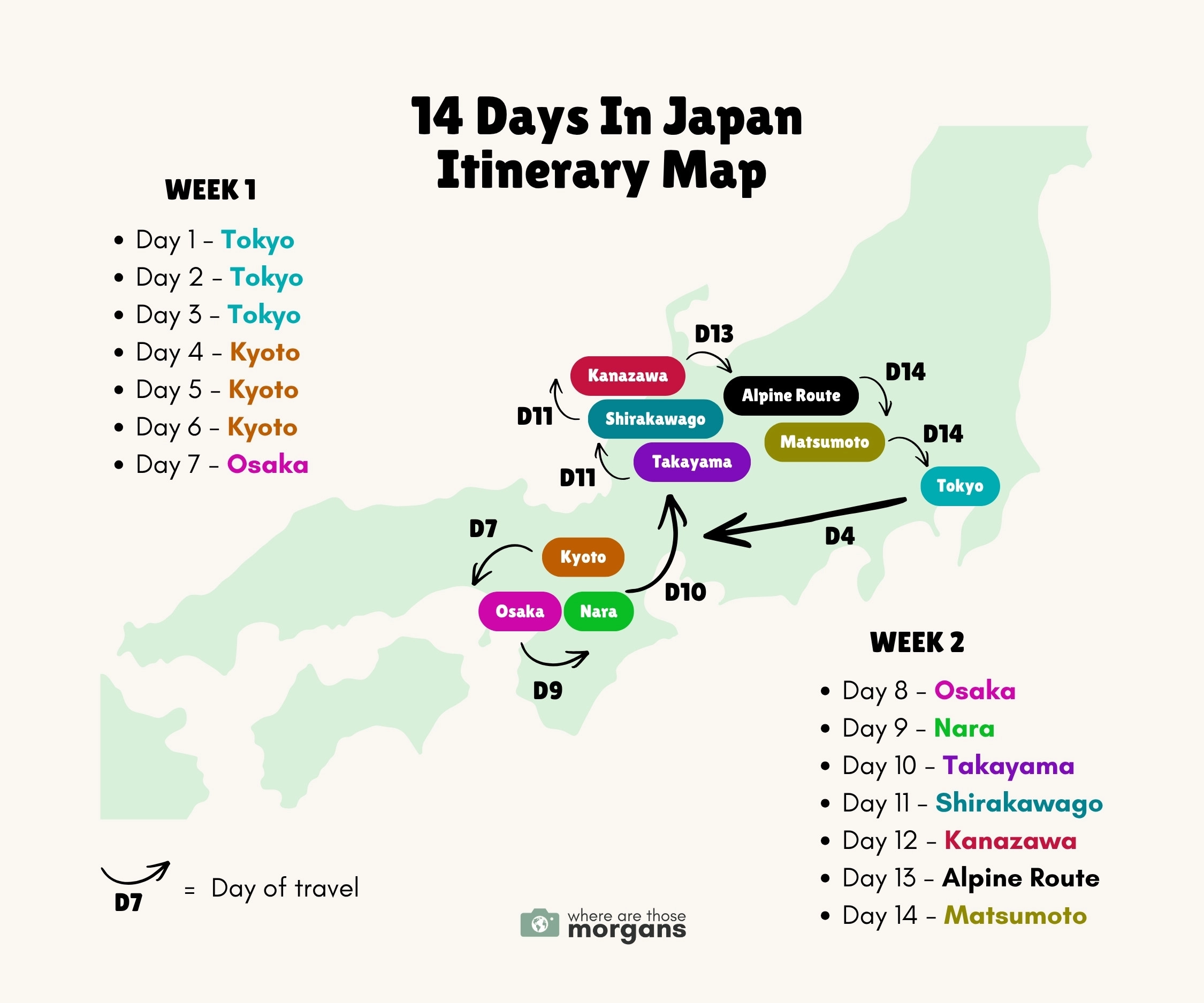
| Days | Location | Theme |
|---|---|---|
| 1-3 | Tokyo | Neon Lights |
| 4-6 | Kyoto | Temples & Traditions |
| 7-9 | Osaka & Nara | Street Food & Friendly Deer |
| 10-11 | Takayama & Shirakawago | Old Japan & Alpine Villages |
| 11-13 | Kanazawa | Samurai History |
| 13-14 | Alpine Route & Matsumoto | The Great Mountain Traverse |
Our route is designed to be fast-paced enough to see the major highlights but without being too overwhelming. We’ve condensed Tokyo’s top attractions slightly to fit three days, but nothing major has been left out and there’s chance to see more of Tokyo on the final evening. Three days in Kyoto is perfect for a first visit, and two days in Osaka with a third day for Nara is also perfect. The rest of the trip might look concerningly quick, but there’s no need for any more time at stops on the northern loop. Okay, let’s get into the itinerary.
Tokyo (Days 1-3): Neon Lights
Tokyo is the obvious starting point for this itinerary – most direct international flights from Europe and North America land at Narita or Haneda, and it’s where the route flows best from beginning to end in a loop. We’d definitely land a day before Day 1 because the jet lag is no joke – in fact, we’d probably do very little after arriving except find a great ramen spot near our hotel and get an early night.
As for where we’d stay, we like Shinjuku, Shibuya, Asakusa, Ginza and Tokyo Station for different reasons. Read our guide on where to stay in Tokyo to learn about each area. Tokyo Station provides instant access to the transport hub that would make our Day 4 departure to Kyoto seamless, but on a first visit we’d choose Shinjuku for a deep-dive dose of Japanese culture shock in the best possible way. We stayed at Sunroute Plaza in 2023 and it was great, but next time we’d book JR Kyushu Hotel Blossom because it has better ratings.
Day 1: Harajuku & Shibuya
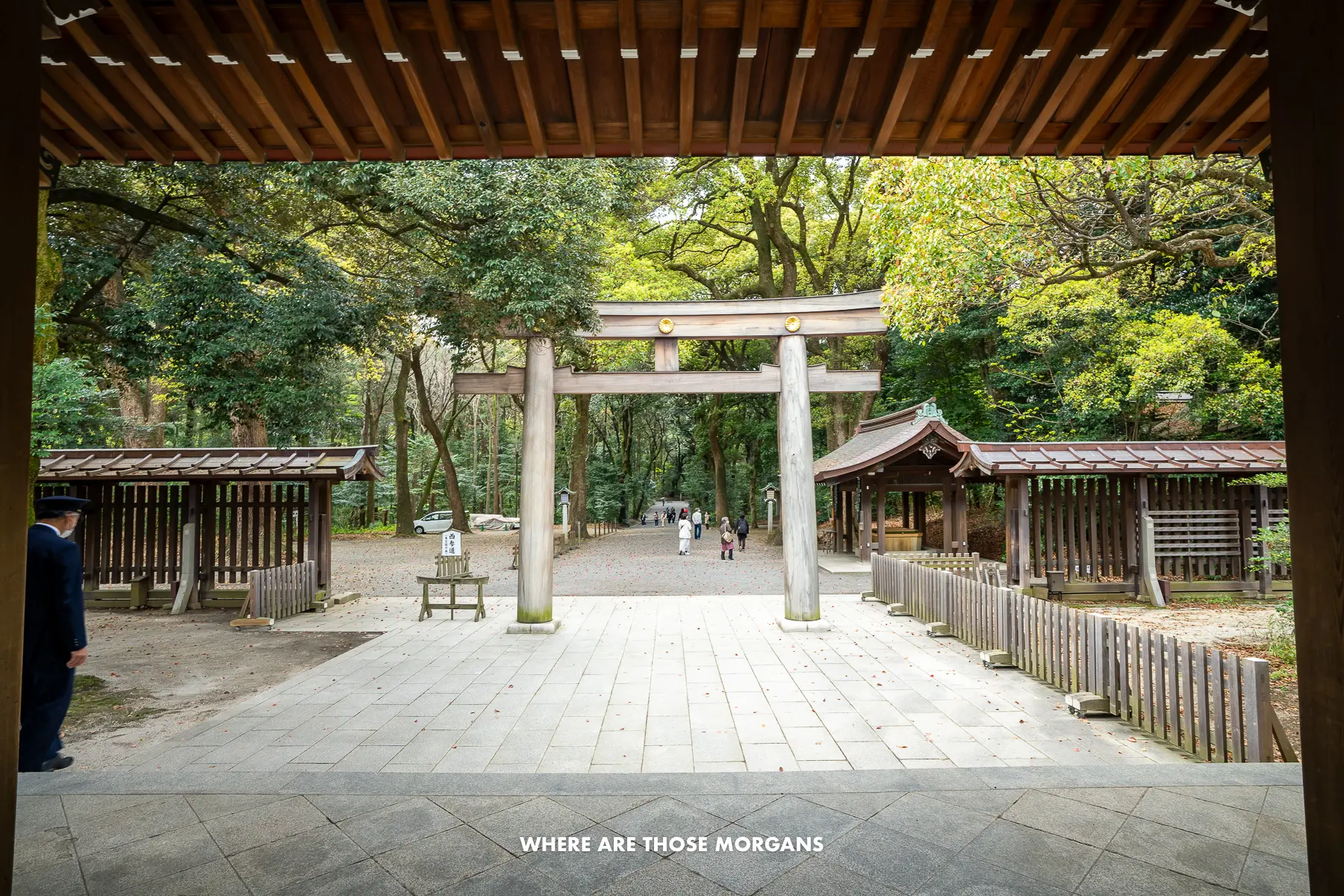
Morning: From our Shinjuku hotel, we’d get an early start (hopefully not too jet lagged) and grab a hearty breakfast. Then we’d make our way to Harajuku using the Fukutoshin Line (brown metro route). Right outside the station, we’d head into the forest and walk underneath the massive cypress brown torii gate, heading for Meiji Shrine. We’d explore the shrine and then pay 500 yen each to walk around Meiji Jingu Gyoen, which has iris flowers in bloom in early June.
Afternoon: Going from calm to chaos in a matter of seconds, we’d cross the road from Meiji Jingu into Takeshita Street, one of the loudest and most vibrant parts of the city. Harajuka is home to Japanese themes like kawaii (cute culture), animal cafes, and purikura (photo booths with virtual makeovers) – it’s equal parts fun and unique but also sensory overload and overwhelming. At the far side, we’d head south on Cat Street towards Shibuya and find a place for lunch like Afuri Karakurenai, Roast Beef Ohno, Gyukatsu Kyoto or the touristy but great Ichiran Shibuya. After lunch we’d walk over the famous Shibuya Crossing a few times, see it from Starbucks, and look around the shops.
Evening: We’d head up Shibuya Sky at around 4:00 PM using pre-booked tickets through Klook, see the city in daylight, watch sunset and then see it light up after dusk. Our view of Shibuya Sky was awesome from up there, so we’d definitely add it into our first-timer itinerary. After the observation deck, we’d soak up Shibuya’s lively, low-key, trendy dining and nightlife scene. Hakushu Teppanyaki, Matsue, Tsukishima Monja Okoge and Gyukatsu Motomura are all on our list for dinner. For drinks, we’d end at Nonbei Yokocho (also called Drunkard’s Alley) for a bit of bar hopping and yakitori (chicken skewers).
Mark’s fun evening alternative: If we visited Tokyo with friends or extended family, we’d skip the observation deck and book this top rated guided go-kart tour through Shibuya at night.
Day 2: Asakusa & Akihabara
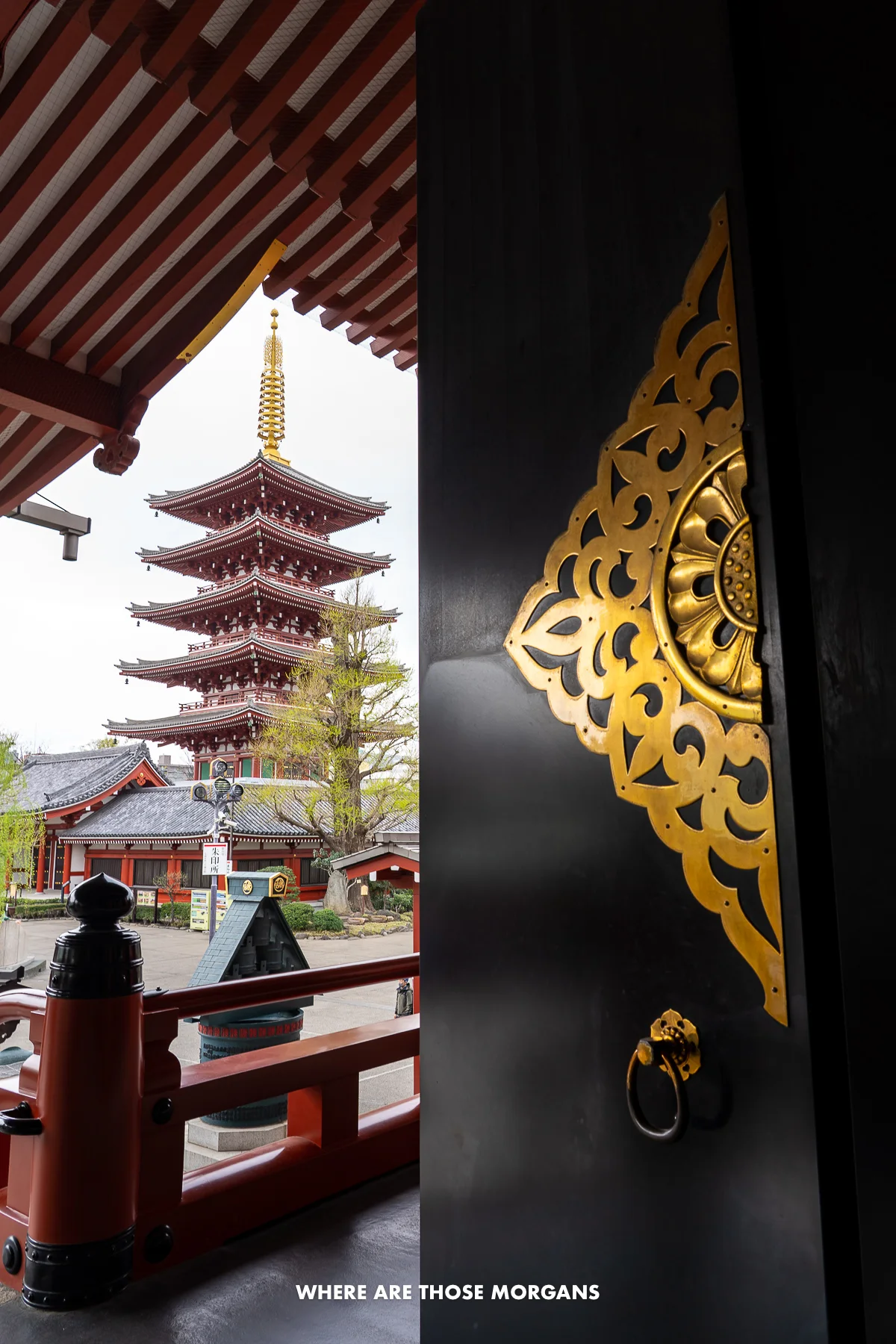
Morning: We’d get an early start on Day 2, hop on a subway to Tsukiji or Tsukijishijo, and arrive to Tsukiji Outer Market by 7:30 AM before it became too busy. As we walked through the stalls, we’d buy sashimi (raw fish), nigiri (raw fish with rice), sushi, and tamagoyaki (rolled omelette) for breakfast. Next, we’d get a subway from Higashi-ginza to Asakusa, and walk along Nakamise shopping street to Senso-ji – Tokyo’s oldest Buddhist temple. After exploring the temple grounds, we’d browse the local, traditional goods and eat snacks like ningyo-yaki cakes, then we’d pass back through Kaminarimon Gate, cross the road and go to the top floor of the Asakusa Culture Tourist Center for elevated views over the Senso-ji complex.
Kristen’s foodie tour option: If Tsukiji was a priority for our trip, we’d consider booking this popular 2-hour guided tour of the fish market with an 8:30 AM start time. The guide hits the best spots in the market and takes the stress out of doing it the right way.
Afternoon: After Senso-ji, we’d visit the Samurai Ninja Museum – and we’d book in advance because we tried to do it on the day but they had no availability. Then we’d walk a few minutes north to grab lunch at Fuji Ramen. Alternatively, instead of the samurai museum and ramen, we’d book this popular sushi making class in Asakusa starting at 10:00 AM. Next, we’d walk along Kappabashi Street to see Tokyo’s famous Kitchen Town, and then we’d walk 25 minutes to the Tokyo National Museum in Ueno Park – the only museum we think is unmissable in Tokyo.
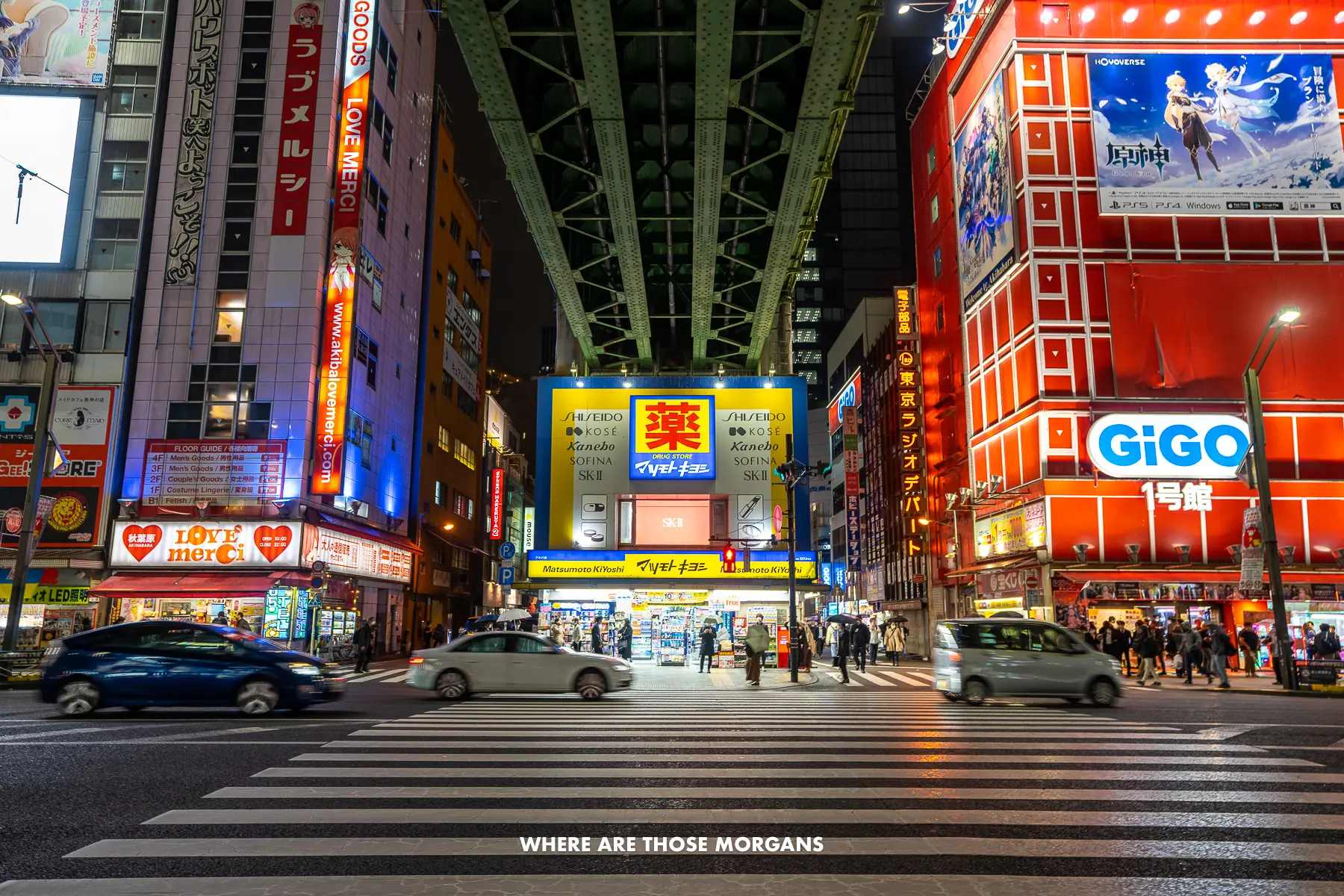
Evening: After the museum, we’d walk south to Usagiya confectionary shop to try traditional Japanese doriyaki – sweet red bean pancakes. A little further south we’d try to grab an early breaded fried beef dinner at the popular Gyukatsu Ichinisan. Arriving early would help beat the longest queue to get in. Sushiro and Roast Beef Ono would be our backups if the line was too long. Then we’d spend the next few hours wandering around Akihabara’s neon lights, anime and arcade themed neighborhood. We’d play arcade games in GiGO, browse second hand collectibles in Mandarake, and have a quick look at the overwhelming Don Quijote. It looks so cool lit up at night, so don’t miss it.
Day 3: Shinjuku
Morning: After a more relaxing morning, we’d start by going up to the free Tokyo Metropolitan Government Building observation deck as it opened at 9:30 AM to beat the crowds and hopefully get clear west facing views to see Mt. Fuji on the distant horizon. Then we’d walk through Nishishinjuku and pass through Shinjuku Station to see the “busiest transport hub in the world”, before entering the Shinjuku Gyeon National Garden. We’d slowly explore the traditional Japanese, English landscape and French formal gardens, and drink a Starbucks coffee on their pond-view deck.
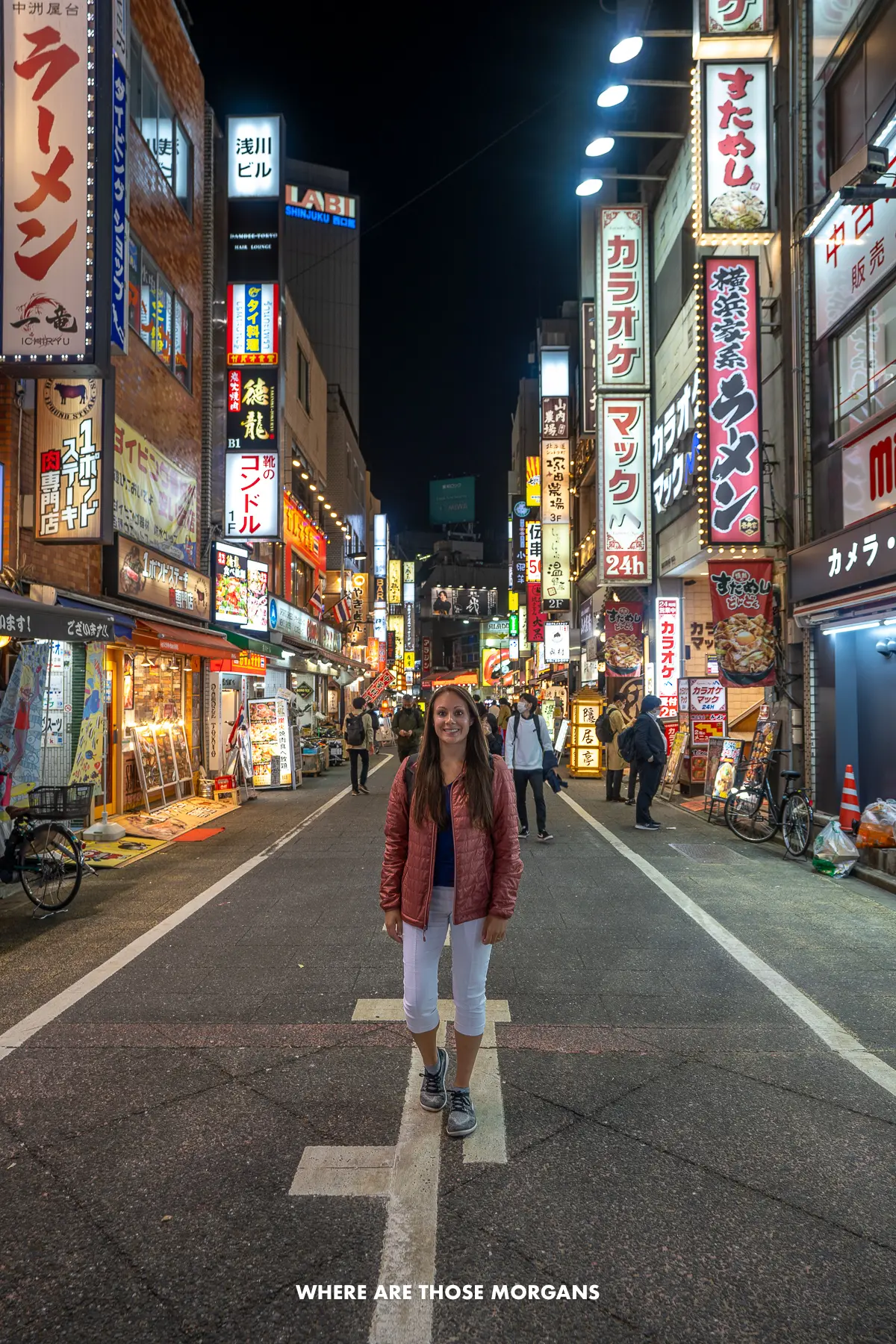
Afternoon: Next, we’d walk to the 16-story Takashiyama Times Square to see a Tokyo mega-mall, before going to Isetan in east Shinjuku to wander around one of Japan’s most famous department stores and head down to the basement to check out the depachika (food hall) for snacks and coffee. Then we’d walk down the photogenic narrow alley called Omoide Yokocho Memory Lane and eat yakitori (chicken skewers). For something totally unique we’d consider going to Samurai Restaurant Time in Kabukicho, but there’s also the Ninja Trick House for shuriken throwing, or the Godzilla Head to snap a cheesy and free photo.
Evening: Once the sun went down we’d walk through Kabukicho to see the neon lights, then we’d go to Hanazono Shrine for a quick look around before bar hopping in the nearby Golden Gai which has more than 200 tiny bars that seat between 4 and 10 people. If we wanted a lively night with other travelers we’d book to the best spots, then we’d head back into Kabukicho or any other part of the sprawling Shinjuku for dinner or to see this top rated Sumo show starting at 8:00 PM.
Mark’s foodie tour option: Next time we do Tokyo, we’ll book this top rated foodie tour through Shinjuku’s popular areas with 13 tastings. It saves having to figure out Omoide Yokocho, Kabukicho and Golden Gai.
Kyoto (Days 4-6): Temples & Traditions
Kyoto is an easy bullet train ride from Tokyo Station. It takes around 2 hours 10 minutes on the fastest Shinkansen called Nozomi. We’d get a very early train to give us as much time as possible in Kyoto on Day 4. We’d have this train booked well in advance so we could select the back row which would allow us to put our suitcases behind us.
If it was our first time, we’d book our hotel in Downtown or Gion for better transit access and a central location. Read our guide on where to stay in Kyoto to learn more about each area. We stayed at Hotel Forza in 2023 and it was great, but next time we’d book Cross Hotel for a Western-style room or Onyado Nono Shichijo for a traditional Japanese experience with onsen.
Day 4: Kiyomizu & Gion
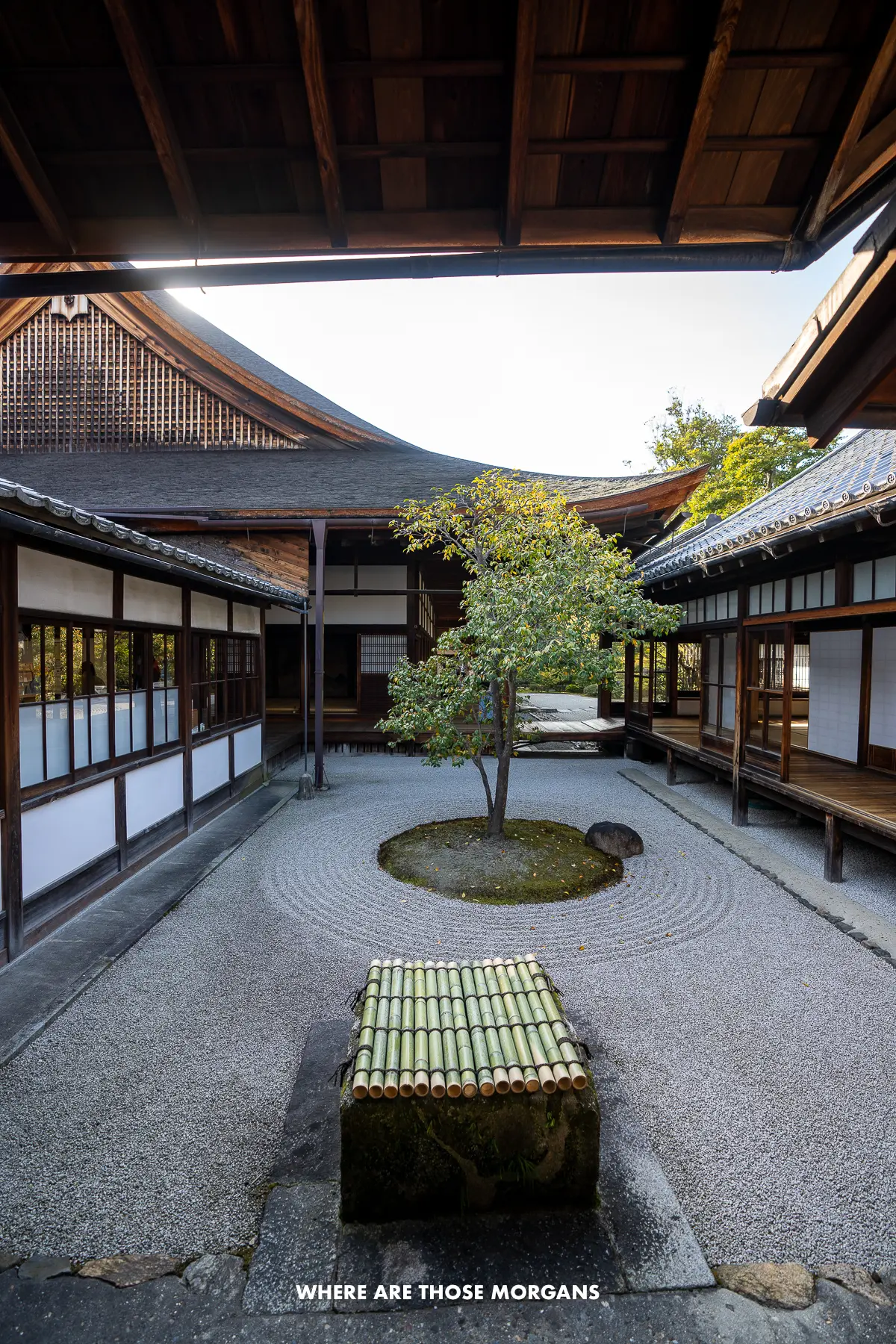
Morning: After arriving into Kyoto and dropping our luggage off at the hotel, we’d walk straight through the heart of historic Gion and Kiyomizu without stopping until we reached the very top of the hill at the enormous Kiyomizu-dera Temple. We’d explore the main hall, walk the loop path for panoramic views over the pagoda and city, and begin slowly walking back down through the preserved “old world” narrow streets with wooden buildings like Sannenzaka and Ninenzaka.
Afternoon: We wouldn’t waste time with a sit down lunch. Instead, we’d grab a quick snack at 7-Eleven, FamilyMart or Lawson before snapping photos of the stunning Hokan-ji Temple (the five-story pagoda on every Kyoto postcard) and arriving at Kodai-ji Temple. We’d explore the Zen raked rock garden, main hall, and grounds which includes a bamboo grove that we think is better than Arashiyama. Next, we’d walk to Kennin-ji Temple – Kyoto’s oldest Zen temple – to explore the halls, rock gardens, courtyards and Twin Dragons ceiling painting.
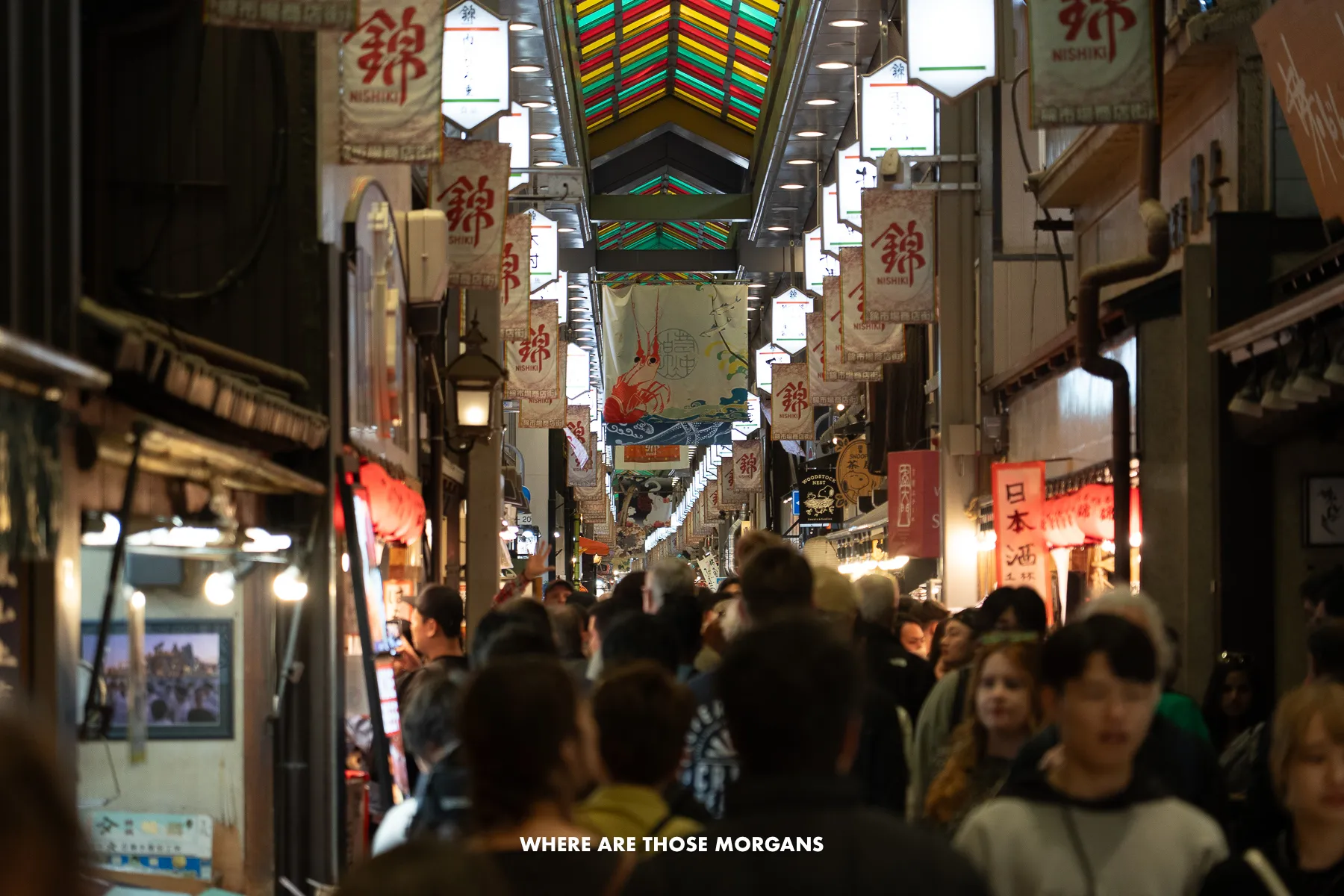
Evening: From Kennin-ji we’d walk straight to Nishiki Market to sample the wide range of local street food and delicacies like Kobe or Wagyu beef, sashimi, pickles and soy milk donuts. Then we’d wash it all down with sake. Nishiki Market is super touristy, crowded and has inflated prices but it’s a lot of fun to just walk through and enjoy the energy. We’d arrive no later than 4:00 PM so we had a full hour before it all closed down. Then we’d choose between visiting Tsujikura umbrella shop or taking this 1-hour ninja lesson, before heading into the lantern-lit streets of Gion for dinner. We’d consider booking this this 1-hour Geisha show and eating dinner at Teppan Tavern Tenamonya (book in advance) or booking this Geisha show with dinner instead.
Day 5: Imperial Kyoto & Philosopher’s Path
Morning: We’d start Day 5 by making our way to Nijojo-mae Station on the Tozai Subway Line (here’s a subway map) to enter Nijo Castle right as it opens at 8:45 AM. We would pre-book tickets in advance because it’s the only way to see Honmaru Palace in addition to Ninomaru Palace, which is where we’d hear the famous nightingale floors “chirping”. Next, we’d walk 20 minutes to Kyoto Gyoen National Garden – which had stunning cherry blossoms when we visited in spring – and enter Kyoto Sento Imperial Palace for our pre-booked 11:00 AM time slot (must be booked in advance) to enjoy stunning gardens.
Afternoon: After the free guided tour of Sento Palace, we’d walk up to Kyoto Imperial Palace which is free and doesn’t need a time slot. We’d snap amazing photos at both palace sites, then head down to Marutamachi Station to grab another 7-Eleven lunch (called a konbini lunch) before getting on the subway to Keage Station. A five minute walk would lead us to Nanzen-ji Temple, Kyoto’s grandest Zen temple complex. We’d quickly explore the Suirokaku brick aqueduct, climb the massive Sanmon Gate, and see the rock gardens before entering the southern end of the Philosopher’s Path and walking 2 km along the stunning canal.
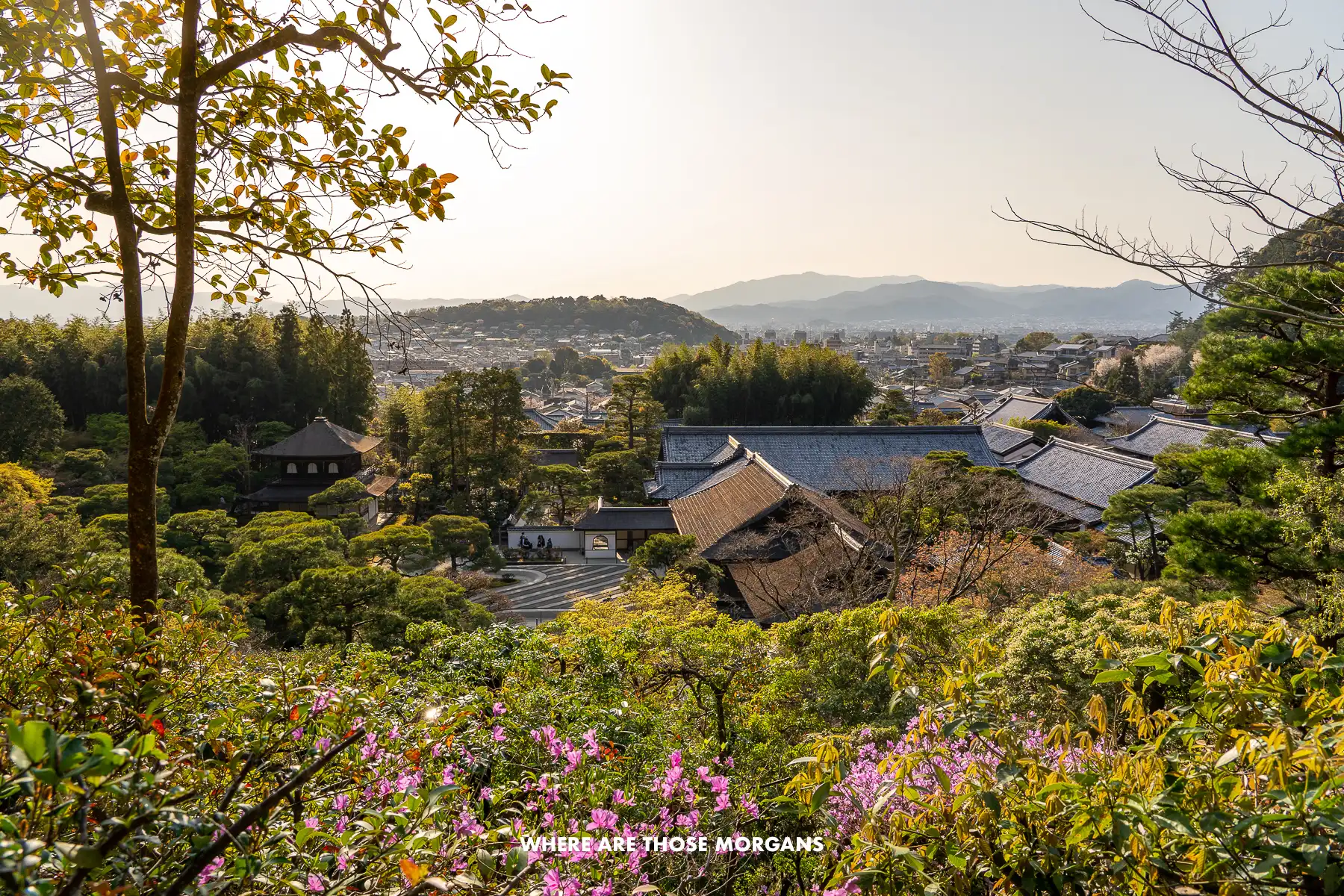
Evening: At the end of the canal we’d walk up to see Ginkaku-ji, which is known as the Silver Pavilion despite the building not actually being silver. We’d see the pavilion, walk stone path, enjoy the raked white gravel garden known as the “Sea of Silver Sand”, wander through the moss garden and loop to the upper viewing area with striking views over northern Kyoto. Then we’d take a taxi back to Downtown and grab dinner along Pontocho Alley (reserving a table in advance to avoid disappointment).
Day 6: Inari Fushimi & Northwest Kyoto
Morning: This would be a big day, so we’d wake up early and take a train from Gion-Shijo to Fushimi-Inari Station and arrive at the most famous attraction in Kyoto called Fushimi Inari Taisha around 7:00 AM. It would be busy already, so we’d cut through the bottom section and head up the steps to find empty sections of torii gate tunnels. We climbed to the top of Mt. Inari and loved it. Then we’d hop on two trains to Arashiyama to see the famous Arashiyama Bamboo Grove, which we thought was cool but hugely overrated. We’d walk through, then spend more time enjoying Okochi Sanso Garden and Tenryu-ji Temple.
Kristen’s top tour option: If Arashiyama is a place you’d really like to see properly, this top rated guided tour hits all the highlights and hidden gems. It has start times between 9:00 AM and 10:00 AM, so you could still do Fushimi Inari first, then skip Ninna-ji and Ryoan-ji, before going to Kinkaku-ji after this tour.
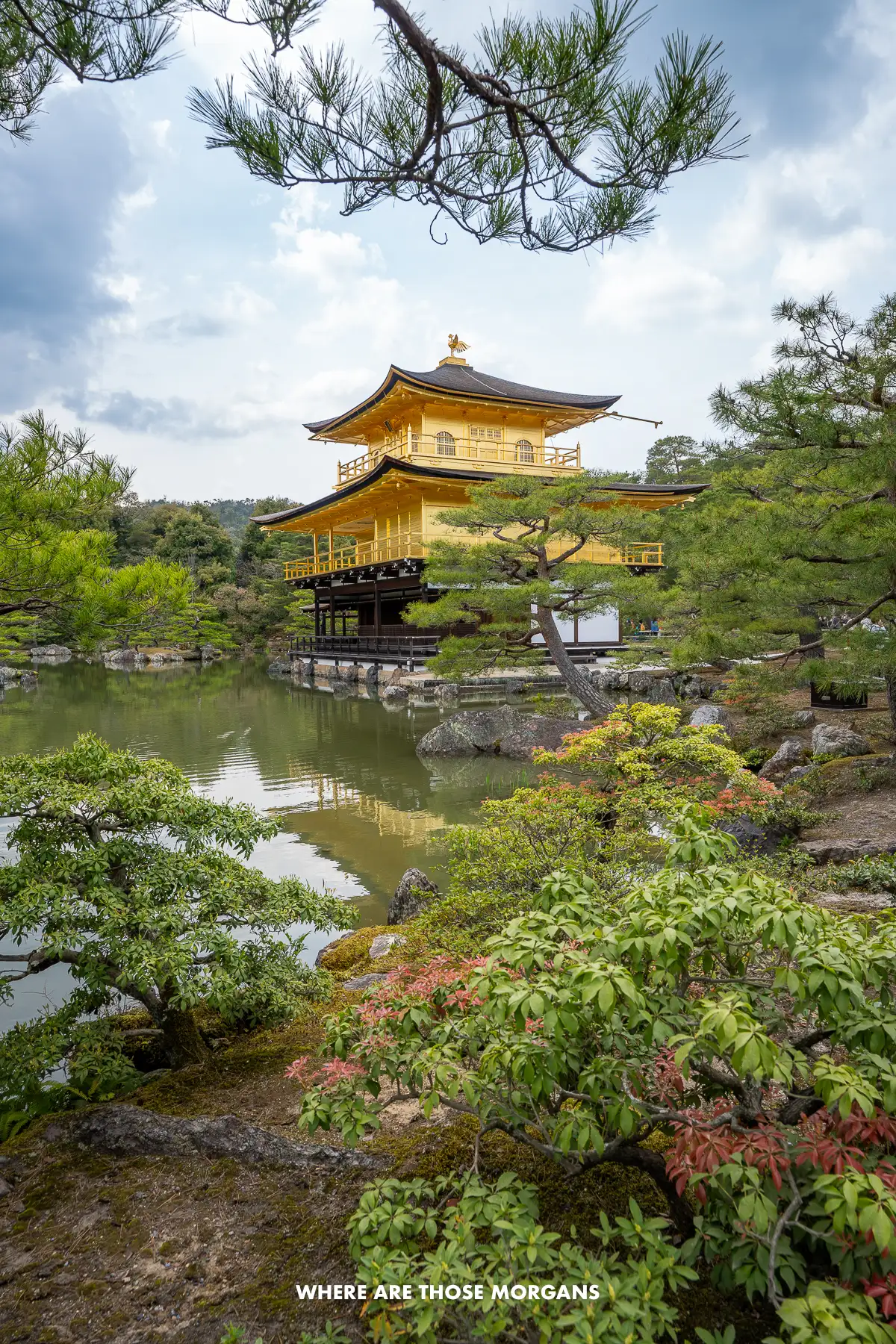
Afternoon: Next, we’d grab lunch somewhere near Togetsukyo Bridge (Sushi Naritaya, Yoshimura and Gion Duck Noodles all look great), before taking a Randen Tram and Kitano Line train to Omuro-Ninnaji. Then we’d walk 2 minutes to Ninna-ji Temple to see the palace, main hall and immense five-story pagoda. Afterwards, we’d walk 15 minutes or take a short taxi to Ryoan-ji Temple, which has the most famous rock garden in Japan. Next, we’d walk 20 minutes or take another short taxi to Kinkaku-ji, Kyoto’s famous Golden Pavilion, arriving no later than 4:00 PM.
Evening: After spending an hour snapping photos at Kinkaku-ji, we’d take a taxi back to Downtown Kyoto and grab dinner in Gion or Kawaramachi like Kamehameha for okonomiyaki or Chao Chao Gyoza for dumplings. If we didn’t want another sit down dinner, we’d consider visiting teamLab Biovortex for an immersive experience or taking this ramen cooking class or this sushi making class with 7:00 PM start times.
Mark’s highlights tour option: If we didn’t want to deal with logistics on Day 3 ourselves, we’d consider booking this top rated one day highlights tour that ticks off Fushimi Inari, Arashiyama and Kinkaku-ji, plus Kiyomizu-dera and Gion, all in one day with a guide.
Osaka (Days 7-9): Street Food & Nightlife
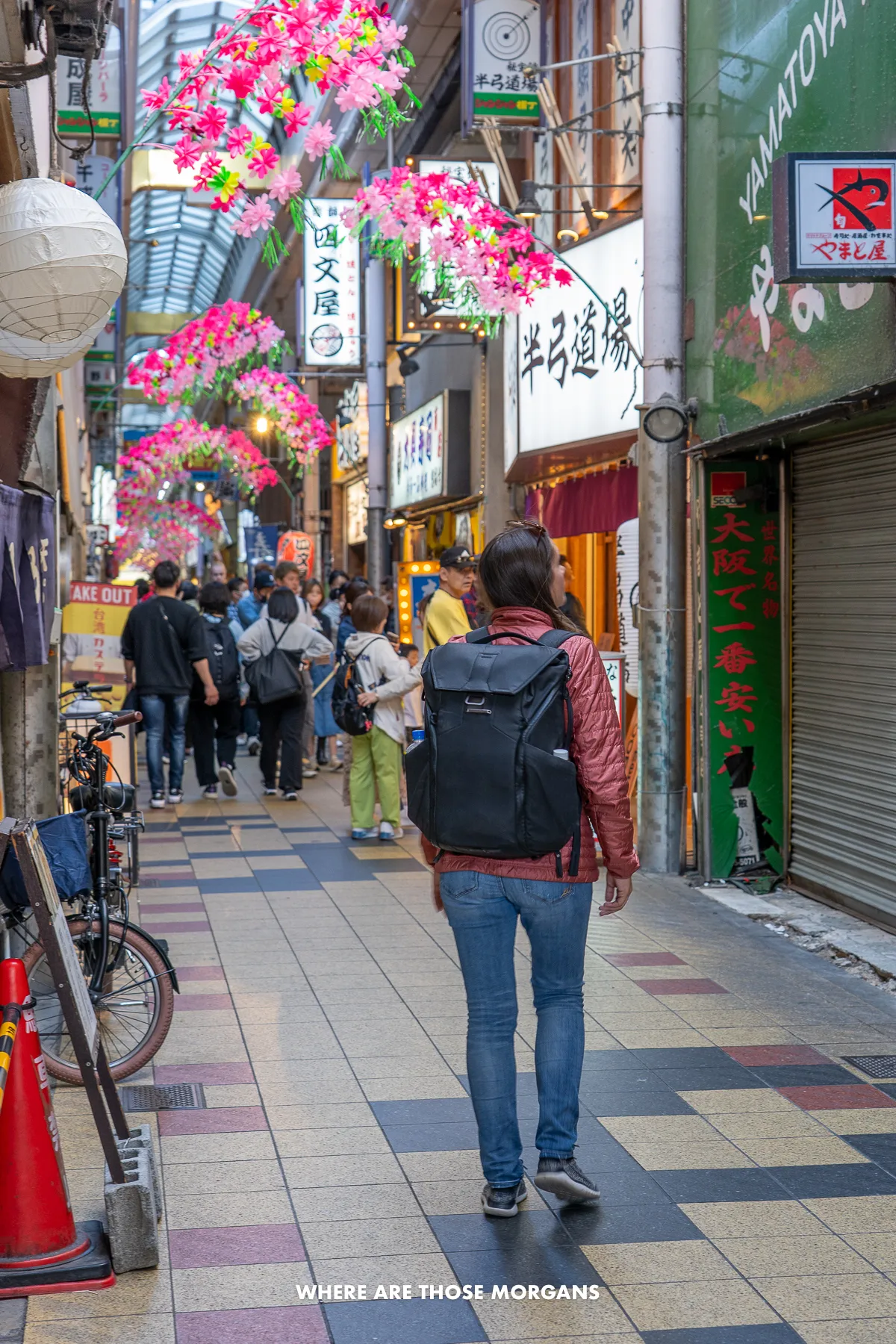
One option would be to continue staying at the same hotel in Kyoto and taking 25 minute trains into and out from Osaka each of the next few days. This would save check out, check in, and moving with suitcases. But personally, we would move hotels to Osaka, just so we could experience the early morning and late night vibe rather than having six mornings and evenings in Kyoto.
We’d book our hotel in Namba or Dotonbori for transit access, street food and nightlife (which is the whole point of Osaka). Read our guide on where to stay in Osaka to learn more about each area. We stayed at Citadines Namba in 2023 and it was fantastic with super comfy beds, but next time we’d book Cross Hotel for a Western-style room or Onyado Nono Namba for a traditional Japanese experience with onsen.
Day 7: Namba & Shinsekai
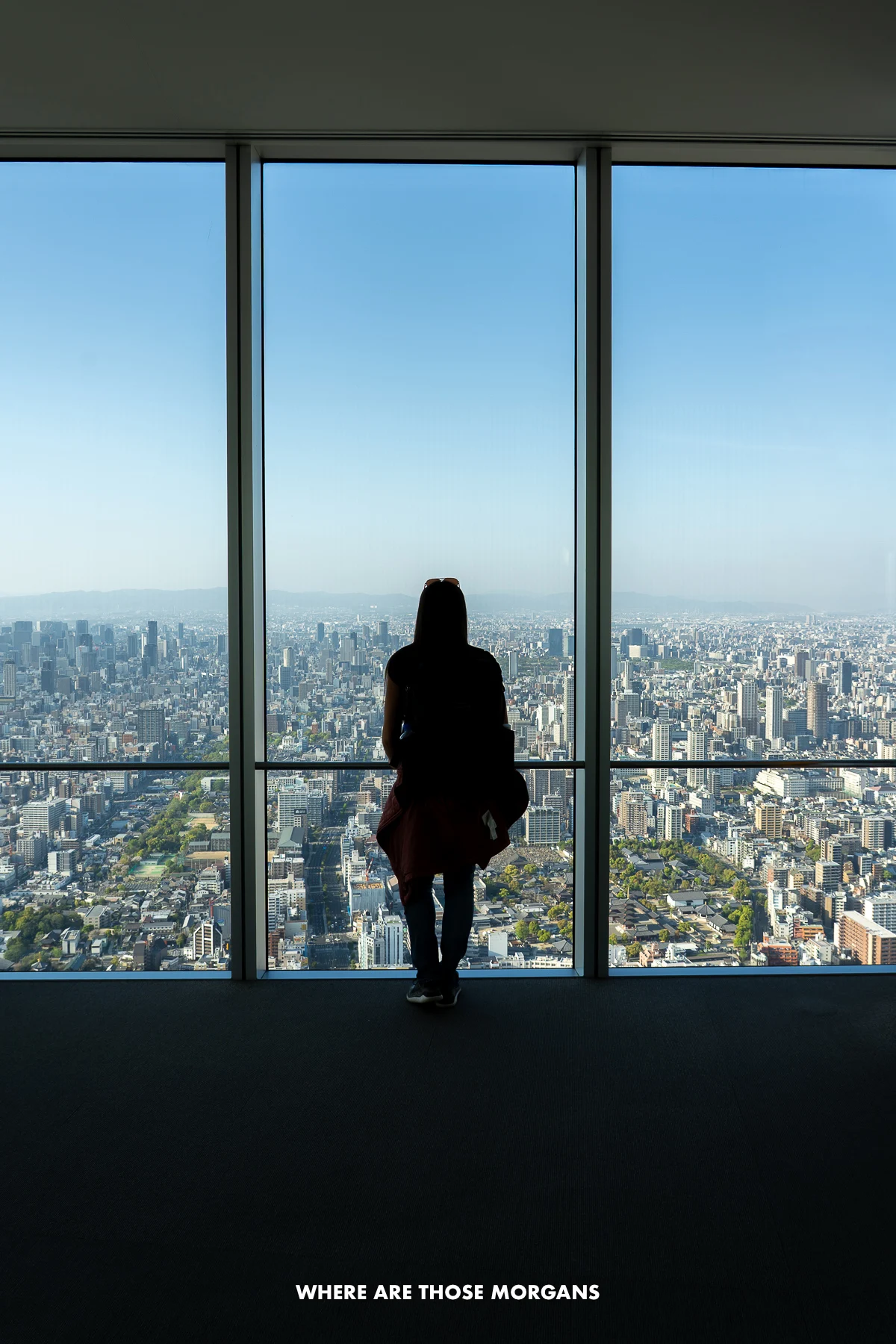
Morning: We’d start our day with a walk through Osaka’s most famous street food market called Kuromon Ichiba right as it opened at 9:00 AM. After browsing the stalls with tons of seafood, beef skewers and street snacks, we’d pick out a few winners and enjoy the lively early morning atmosphere. Next, we’d either try this popular tea ceremony experience a short walk north or we’d spend an hour exploring the vibrant neighborhood of Namba, before visiting Namba Yasaka Jinja to see the huge lion’s head facade. Our next stop would be a quick walk through anime-centric Den Den Town, possibly stopping in at Animate comic book store if we were doing well for time.
Afternoon: Next, we’d continue south to walk through the revitalized retro neighborhood of Shinsekai with its narrow unpolished streets and bustling vibe. We wouldn’t bother going up Tsutenkaku but we would sample kushikatsu – deep fried, battered and skewered meats, vegetables and seafood. This specialty is the focal point of many of Osaka’s top rated foodie tours like this street food tour with 17 dishes beginning at 11:30 AM and this street food tour with 15 tastings beginning at 12:00 PM. After lunch we’d walk to Shitenno-ji Temple to see one of the oldest Buddhist temples in Japan, snap photos of the stunning five-story pagoda, and climb the spiral steps inside.
Evening: At around 4:00 PM we’d head up Abeno Harukas, the tallest building in Osaka, to the observatory called Harukas 300 for which we’d have pre-booked tickets through Klook. We’d enjoy the 360-degree city views by daylight, during sunset, and after dusk. Then we’d take the Midosuji Line to Shinsaibashi station and walk south through the famous Shinsaibashi covered shopping arcade. If we weren’t bothered about sunset from the observatory, we’d take this sushi making class at 6:30 PM at the bottom end of the arcade. Otherwise, we’d end in the neon-lit Dotonbori and spend the whole night eating and drinking in the vibrant nightlife area.
Day 8: Osaka Castle & Umeda
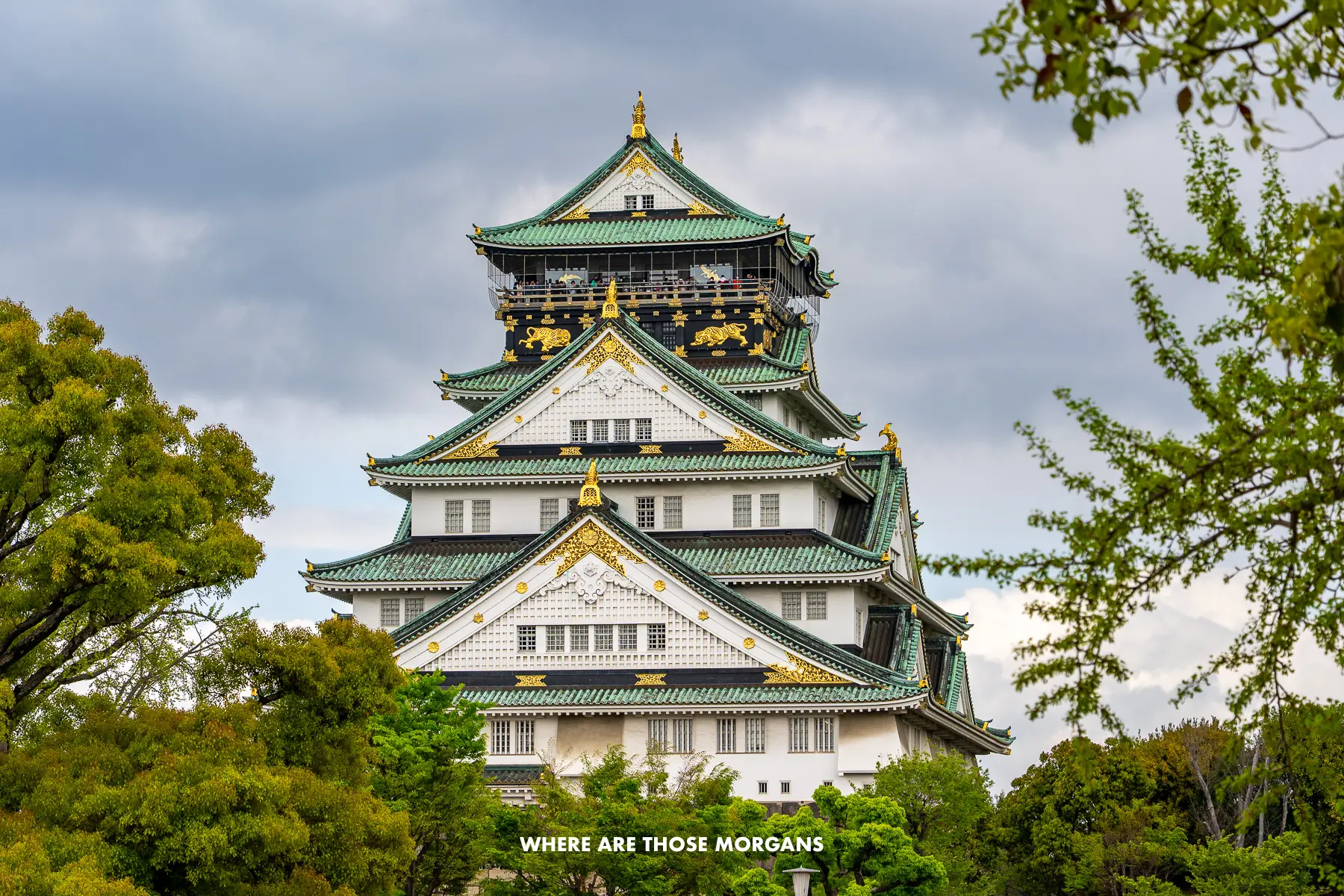
Morning: We’d take trains to Morinomiya station, walk 15 minutes through gardens and arrive at the entrance to Osaka Castle. Using our pre-bought tickets through Klook so we didn’t have to wait in line, we’d enter, take a lift up to the top floor for far reaching views, then walk back down the staircase stopping at each floor to learn about the fascinating history of power struggles between samurai and imperial powers. Next time, we’d book this guided tour of the castle to gain a better understanding of the history.
Afternoon: After the castle, we’d consider visiting Osaka Museum of History to learn about the city’s ancient past, Edo period and modern history. Then we’d make our way up to visit the quieter and more local Tenmangu Shrine, which is surrounded by residential houses. Just a few minutes walk away we’d enter the southern portion of Tenjinbashi-suji Shopping Street, one of Japan’s longest covered shopping arcades, for a quick look around and grab a late lunch. Next, we’d walk through Nakanoshima Rose Garden and stroll along the Tosahori River before walking up to the classy Umeda neighborhood.
Mark’s tour suggestion: If we didn’t fancy the shrine, shopping arcade and park, we’d consider booking this top rated samurai training experience kendo with a 2:00 PM start time instead.
Evening: We’d take tons of detours walking through the upscale shopping malls and underground shops through Umeda, until reaching the photogenic Umeda Sky Building with its observatory called Kuchu Teien which we’d enter with pre-bought tickets through Klook. The floating escalators are cool, and the open-air summit is awesome at sunset. After seeing the city light up at night, we’d head back down for a more polished dinner in Umeda at either Gyukatsu Kyoto Katsugyu Yodobashi Links Umeda or Gyukatsu Motomura Lucua. Then we’d train back to Namba and head out for drinks along Dotonbori’s neon-lit canal.
Day 9: Nara Day Trip
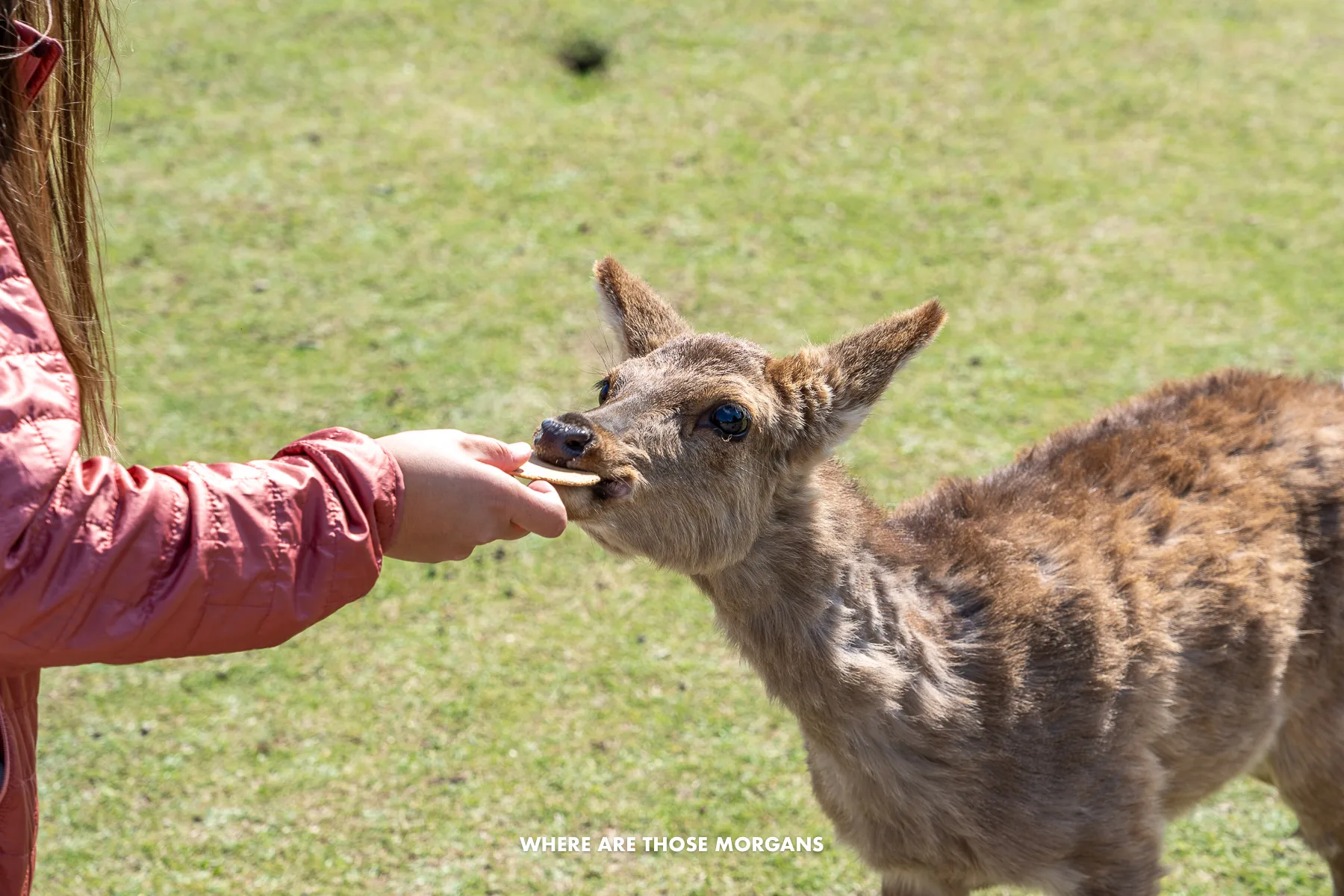
Morning: For our last day in Osaka, we’d take a day trip to Nara using the Kintetsu Nara Line. After arriving we’d head straight to Kofuku-ji Temple to see the second tallest five-story pagoda in Japan. Then we’d feed the deer of Nara Park after buying crackers from one of the many stalls. If we had time we might go inside Nara National Museum to see Buddhist art but we wouldn’t consider it essential. Next, we’d walk around Yoshikien Garden to see three different Japanese garden variations.
Afternoon: Our next stop would be the enormous Todai-ji Temple, one of the world’s largest wooden buildings. Inside we’d see the 15 meter bronze Buddha, more massive stone statues, and a hole that we’d climb through for enlightenment. From there we’d walk up a stone staircase to Nigatsu-do Temple for awesome views from a balcony, then if we had energy we’d continue climbing uphill to a viewpoint half way up Mount Wakakusa. Next, we’d stop at Mizuya Chaya for lunch before exploring the beautiful Kasugataisha Shrine. After, we’d taste sake at Harushika Sake Brewery, and visit the Lattice House.
Evening: Finally, we’d eat dinner somewhere near or along Higashimuki Shopping Street like Ace Sushi, Kamaiki, Tonakatsu Ganko Nara or Kamukura for the best atmosphere before heading back to Osaka. Or alternatively, if we were looking for a peaceful escape for a night, we’d consider booking Onyado Nono Nara for a traditional Japanese onsen ryokan. We stayed there in 2018 and it was fantastic. Not only did we get the onsen, but we also enjoyed a relaxing evening out in Nara once the day trippers left. If you wan to do Nara but don’t want to deal with transport or route finding, book this popular day trip tour with early start from Osaka instead.
Takayama (Day 10): Stepping Into Old Japan
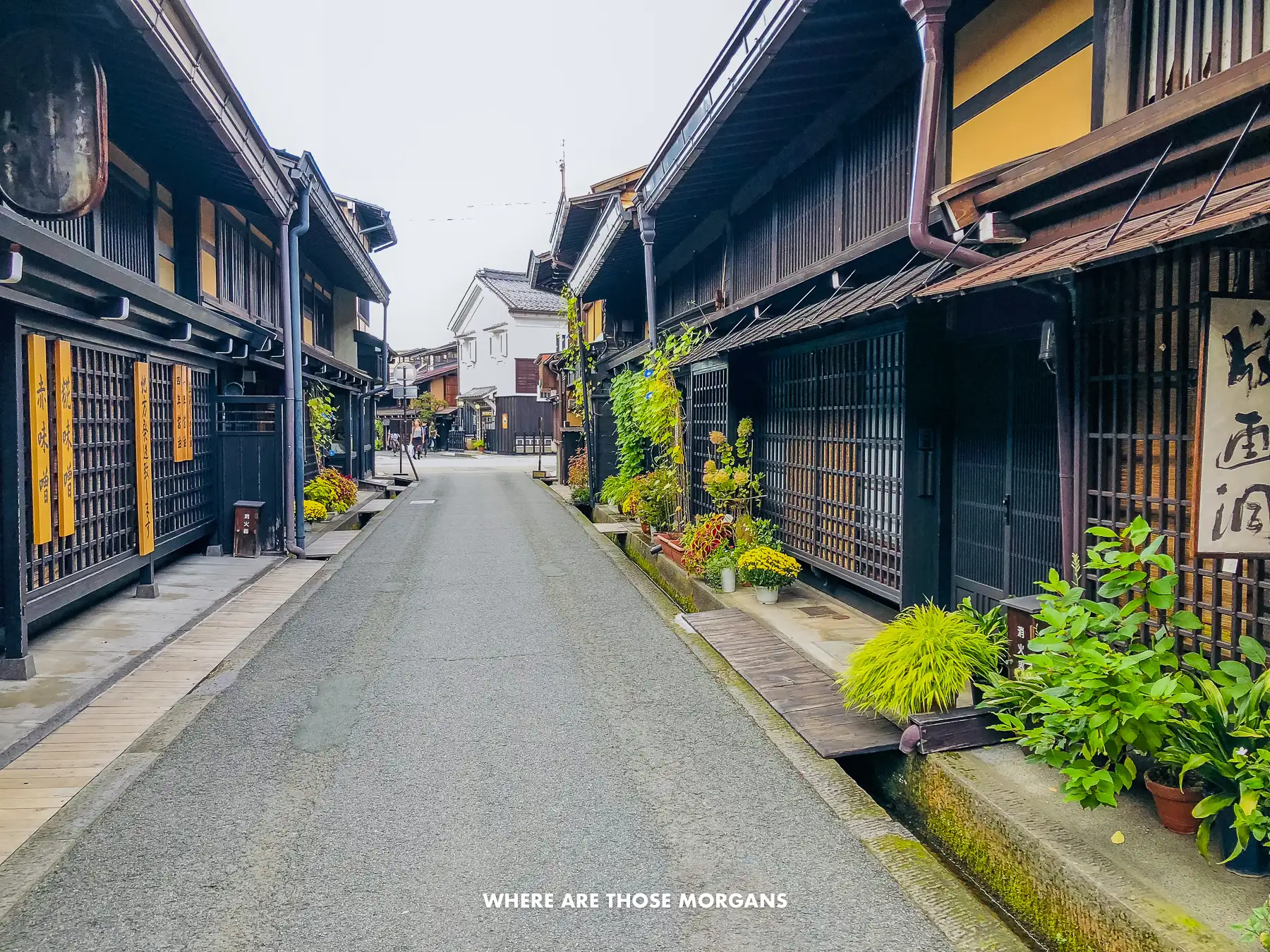
Morning: Getting to Takayama would feel like its own little scenic adventure. We’d take a pre-booked Shinkansen from Osaka to Nagoya, then switch to the Hida limited express – a slower train with big windows that twists and turns through the picturesque Japanese Alps until arriving into old-world Takayama. Alternatively, we’d take the once daily Hida train going direct from Osaka to Takayama that leaves at 8:04 AM and takes around 4 hours (pre-booked well in advance).
Kristen’s planning tip: If we did this route again, we’d pack a smaller day pack with a change of clothes and use the Takkyubin luggage forwarding service to have our big suitcases sent from our Osaka hotel to arrive at our Kanazawa hotel the next day. It only costs around $20 per bag and it would save faffing around with them on trains and buses for this next leg.
Afternoon: After dropping our day pack (or suitcases if we didn’t send ahead) at the hotel or ryokan, we’d grab a light lunch and join this private tour of Takayama with a 1:00 PM start time. We didn’t take the tour in 2018 and regret not making the most of our limited time. If we didn’t book the tour, we’d spend the early afternoon wandering along Sanmachi Suji – Takayama’s beautifully preserved historic district with narrow streets lined with dark wooden sake breweries and craft shops where we bought our engraved chop sticks in 2018, and still use them to this day. Then we’d visit Takayama Showa-kan Museum to see a collection of Japanese memorabilia from the Showa era (1926 – 1989).
Evening: We’d spend the evening eating delicious food and drinking plum wine or sake among the historic streets. Next time we’d like to eat at Onigashima izakaya or Hida Takayama Gyoza Sohonozan grabbing ramen and a few beers in a local izakaya. In terms of where to stay, we’d either book place like Hotel Wood near the main shopping street or Oyado Koto No Yume near the train station.
Shirakawa-go (Day 11): The Gassho Farmhouse Pitstop
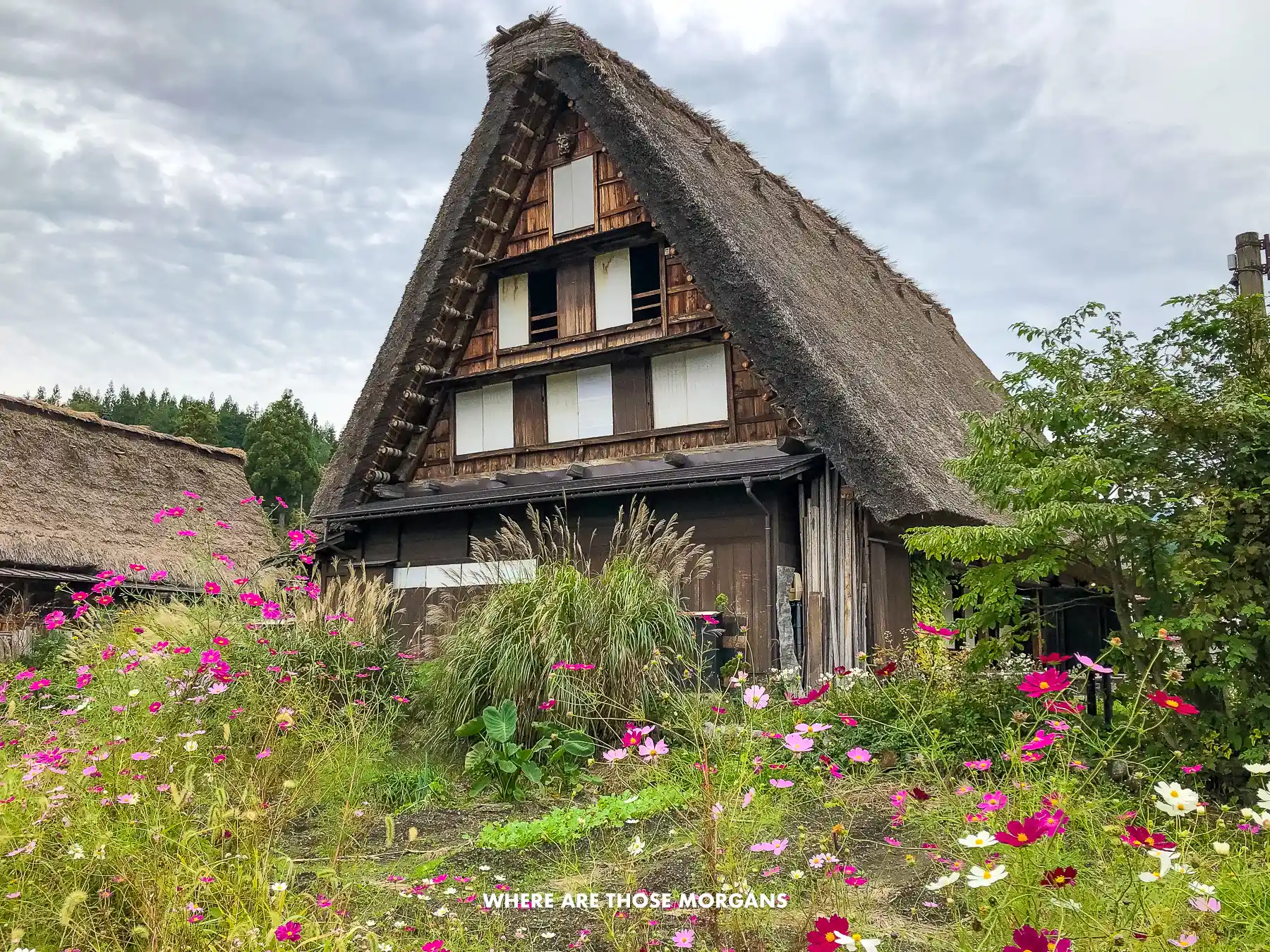
Morning: The next morning we’d start early and walk through the the forested Sakurayama Hachimangu Shrine with a coffee. Then we’d browse Takayama’s morning market stalls along the Miyagawa River before checking out of our hotel and hopping on the 10:50 AM bus from Takayama to Shirakawa-go that arrives 50 minutes later at 11.40 AM.
Afternoon: After arriving at the UNESCO World Heritage Site, we’d set off slowly exploring the cluster of picturesque gassho-zukuri – thatched-roof farmhouses. We’d go inside the Myozenji Museum to see how they maintained the thatched roof, and then we’d go inside Wada House (one of the largest farmhouses) to explore a small attic museum which displays old tools and explains how families lived through harsh winters. After eating more delicious Wagyu beef skewers, we’d climb up to Shiroyama Viewpoint for a postcard-perfect panoramic view over the whole village. Then we’d jump on the 3:10 PM bus from Shirakawa-go to Kanazawa.
Evening: The bus would arrive into Kanazawa at 4:35 PM, so we’d check-in at our hotel – UAN Kanazawa or Kurumiya both look excellent – get changed and head straight out to the historic Higashi Chaya district for dinner. It’s a bit like Gion in Kyoto with wooden buildings, lanterns and Geisha, but a fraction of the tourists. We’d definitely consider booking this night tour with local Japanese meal to get a real feel for the area.
Kanazawa (Day 12): Samurai History & Gardens
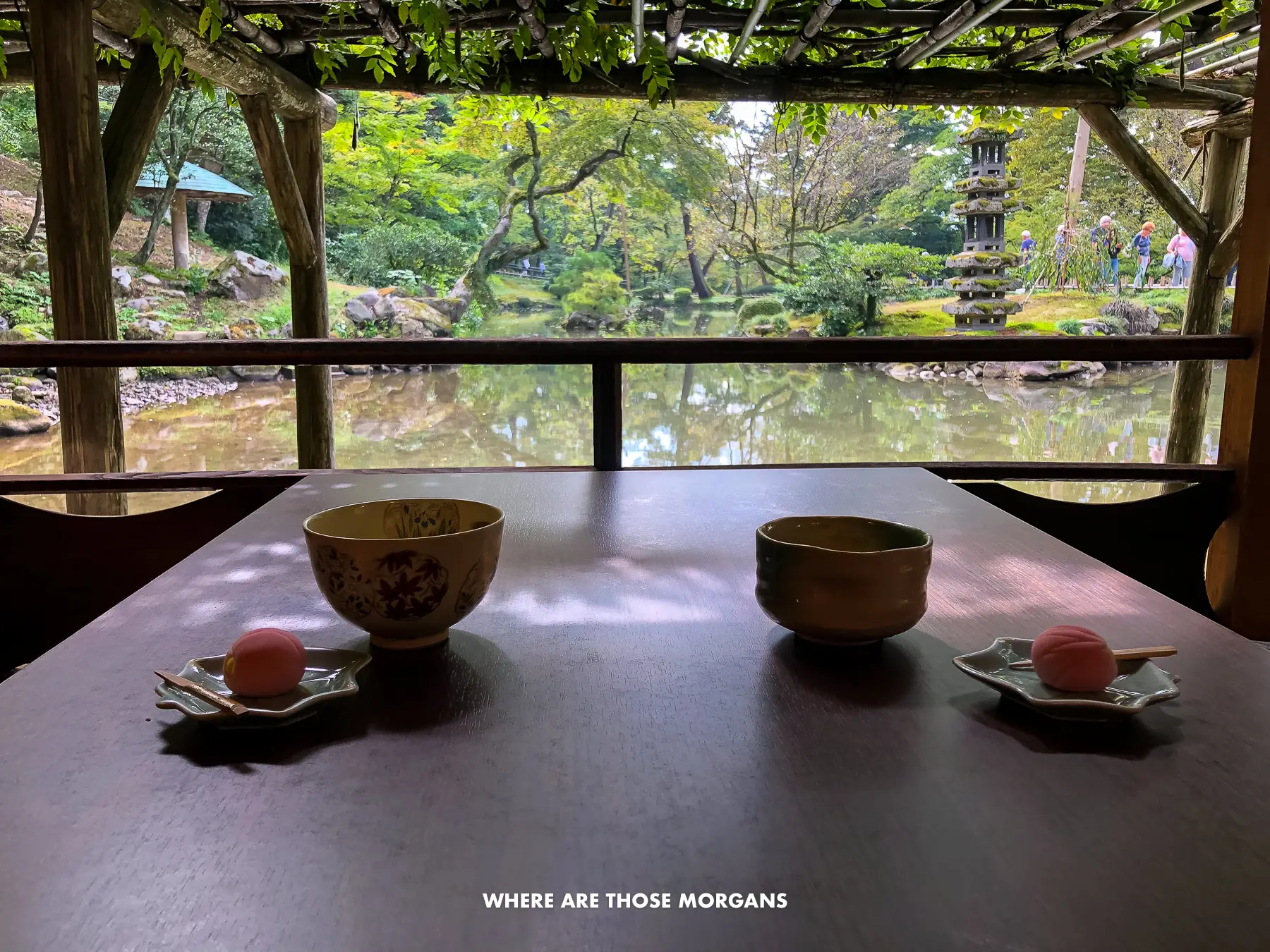
Morning: We’d start our full day in Kanazawa with a slow walk around its star attraction – Kenroku-en. It’s one of Japan’s top three great landscaped gardens (we loved it in 2018), so we’d really take our time getting lost along the maze-like paths with stone lanterns, sculpted trees and reflecting ponds. And just before leaving, we’d stop in at Miyoshian Suitei for matcha tea overlooking a small pond, it’s a great spot that couldn’t feel any more Japanese.
Afternoon: After the garden, we’d walk to the nearby Kanazawa Castle, enter the grounds and take a look around the restored fortifications, see some samurai-era artifacts, and look out of the turret windows. It’s not the most impressive castle we’ve seen in Japan, but it’s still worth visiting. Next, we’d take a look around Oyama Shrine on the way to exploring Nagamachi Samurai District and visiting Nomura-ke Samurai Heritage Residence.
Evening: After looping back to our hotel to change for the evening, we’d head back over to Higashi Chaya district for dinner. The area is spread out, intimate, and leans expensive for meals (think taster menus and fusion food), so we’d ask for recommendations and help reserving a restaurant on the tour the evening before. Or we’d skip the Geisha area entirely and go for a more low-key izakaya dinner and drinks in Katamachi instead.
Tateyama Kurobe Alpine Route (Day 13): The Great Traverse
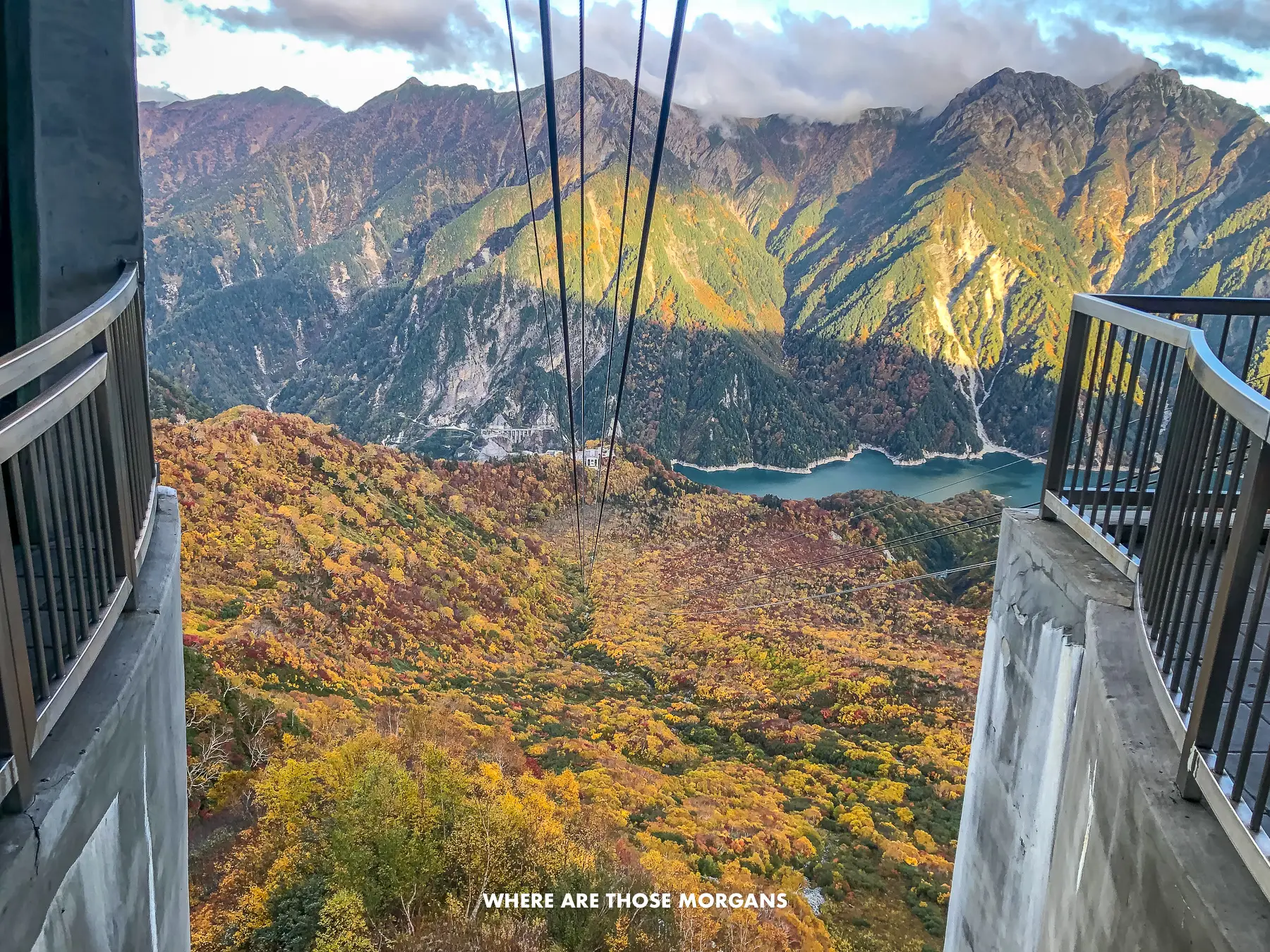
Well before our trip to Japan, we’d book the 6:51 AM train from Kanazawa to Toyama and the 7:33 AM Chihou Railway train from Toyama to Tateyama. They’re essential trains to book for this day to work. We’d also buy our Alpine Route tickets in advance because they are limited on a daily basis. Ours cost 9,490 yen each in 2018, but adult tickets cost 12,360 yen now.
Morning: We’d wake up early, taxi to Kanazawa train station, train to Toyama, and pay 1,300 yen per bag to have our luggage forwarded to Shinano-Omachi at the end of the Alpine Route, which can only be done in person at Toyama. (Next time, we’d actually consider carrying a day pack and forwarding our suitcases from Kanazawa straight to Tokyo.) After arriving to Tateyama, we’d take a 7-minute cable car to Bijodaira and have a quick hike in a cedar forest. When we did this in 2018, other people had bells on ad we found out that was because there were bears in the forest. Next, we’d take a bus straight up to Murodo, skipping Midagahara and Tengudaira because they’re not as worthwhile and time is tight.
Afternoon: The bus journey takes almost an hour and is super scenic. We did it in fall and the colors were genuinely spectacular, like New England in the US. At the Murodo plateau, we’d grab an early lunch in the restaurant, then get outside and go hiking the mountains. We climbed up Mt. Oyama and the views were honestly outstanding, so we recommend doing it in the early afternoon. Even without the climb, the scenery is incredible. After our hike, we took an electric bus through a tunnel carved into Mt. Tateyama, then a ropeway from Daikanbo to Kurobedaira which gave us views of spectacular fall foliage below.
Evening: Afer the ropeway we walked across the Kurobe Dam which was awesome, and then we took another electric bus through a tunnel to Ogizawa. Next was a local bus to Shinano-Omachi train station where we picked up our baggage, and then we went straight to our lodging completely wrecked after a long but genuinely unforgettable day in the Japanese Alps. We ended up staying in a B&B with evening meal prepared by the family, along with other travelers who also did the Alpine Route. It was nice, but we would have preferred a proper hotel room at Hotel Route Inn. The alternative would be to continue down to Matsumoto from Shinano-Omachi, where there are more hotel options and it saves a train first thing the next morning to see the castle.
Matsumoto & Tokyo (Day 14): The Castle Finish
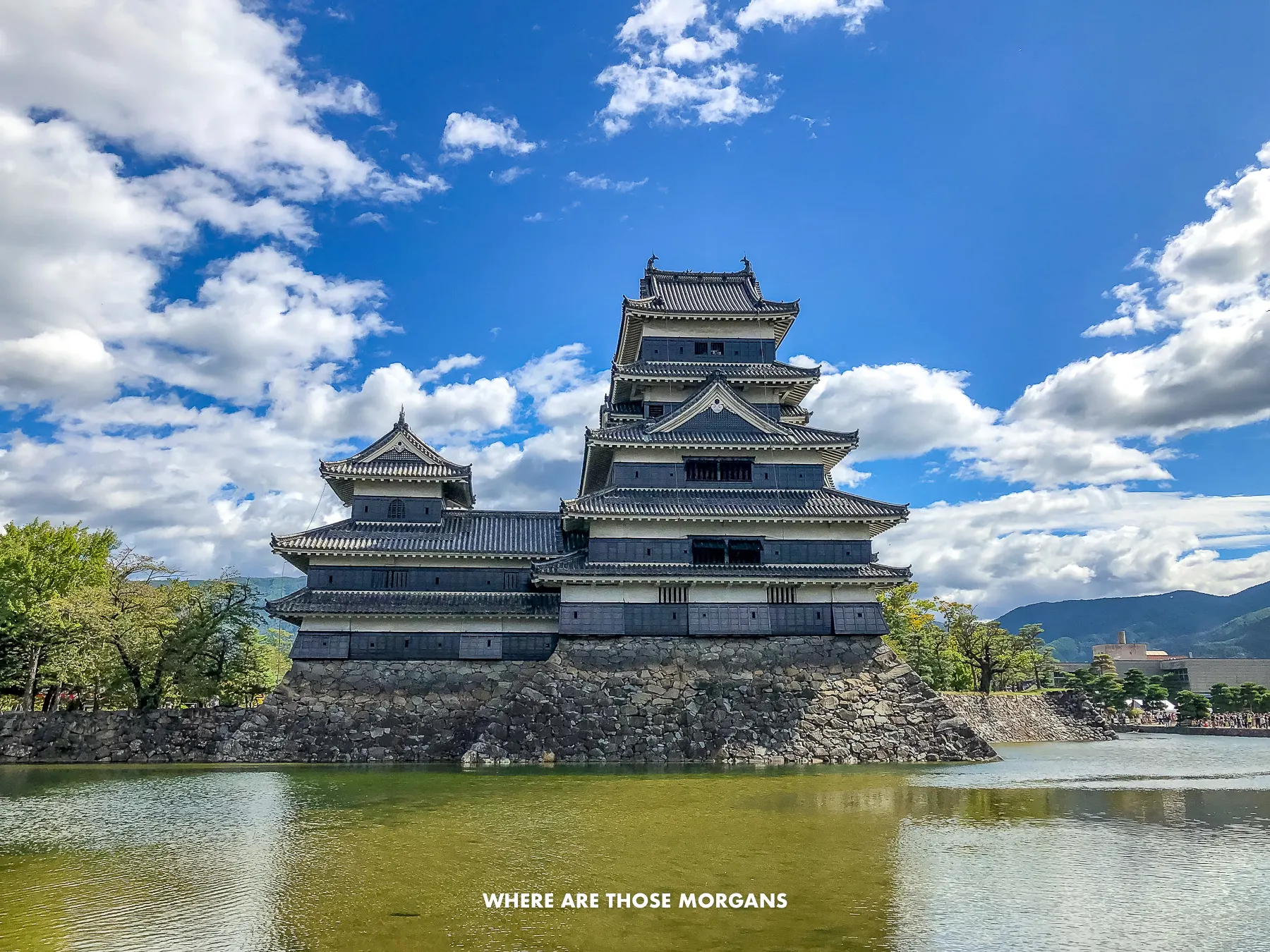
Morning: Today is all about getting back to Tokyo with a great pitstop to see one of Japan’s best preserved original castles in Matsumoto. We’d get on a local train around 8:00 AM and arrive into Kita-Matsumoto one hour later (this train can’t be booked in advance). Getting off the train at Kita-Matsumoto would mean it’s just a 10-minute walk to reach the impressive and imposing castle. We’d walk around the moat, see the photogenic red bridge on one side and find the entrance on the other side.
Afternoon: If we had enough time and didn’t want to rush back to Tokyo, we’d go inside the samurai-era Matsumoto Castle to climb the steps for views over the city and Alps. We chose to rush back to Tokyo in 2018, and we regret not going inside the castle because unlike Osaka Castle, this one has not been refurbished. After the castle we’d walk along Nawate Shopping Street, grab a light soba noodle lunch at somewhere like Kobayashi Soba (specialty for the region) and a coffee, then walk down to Matsumoto Station to get on a 3-hour Limited Express train to Tokyo.
Evening: We’d aim to arrive into Tokyo sometime around 3:00 PM so we could go straight to our hotel and check in. This time we’d stay close to Tokyo Station at either lyf Ginza or Hotel Metropolitan to make life easy with luggage, not just arriving from Matsumoto, but also for getting to Narita or Haneda the next morning. After dropping our bags off, we’d change and head out into Ginza for a more polished and upscale dinner and drinks to go out with a bang. This is a very international area so we’d take our pick of cuisine type, then find a place like Bar Libre to enjoy celebratory end-of-trip cocktails.
Making It Happen: Our Planning Checklist
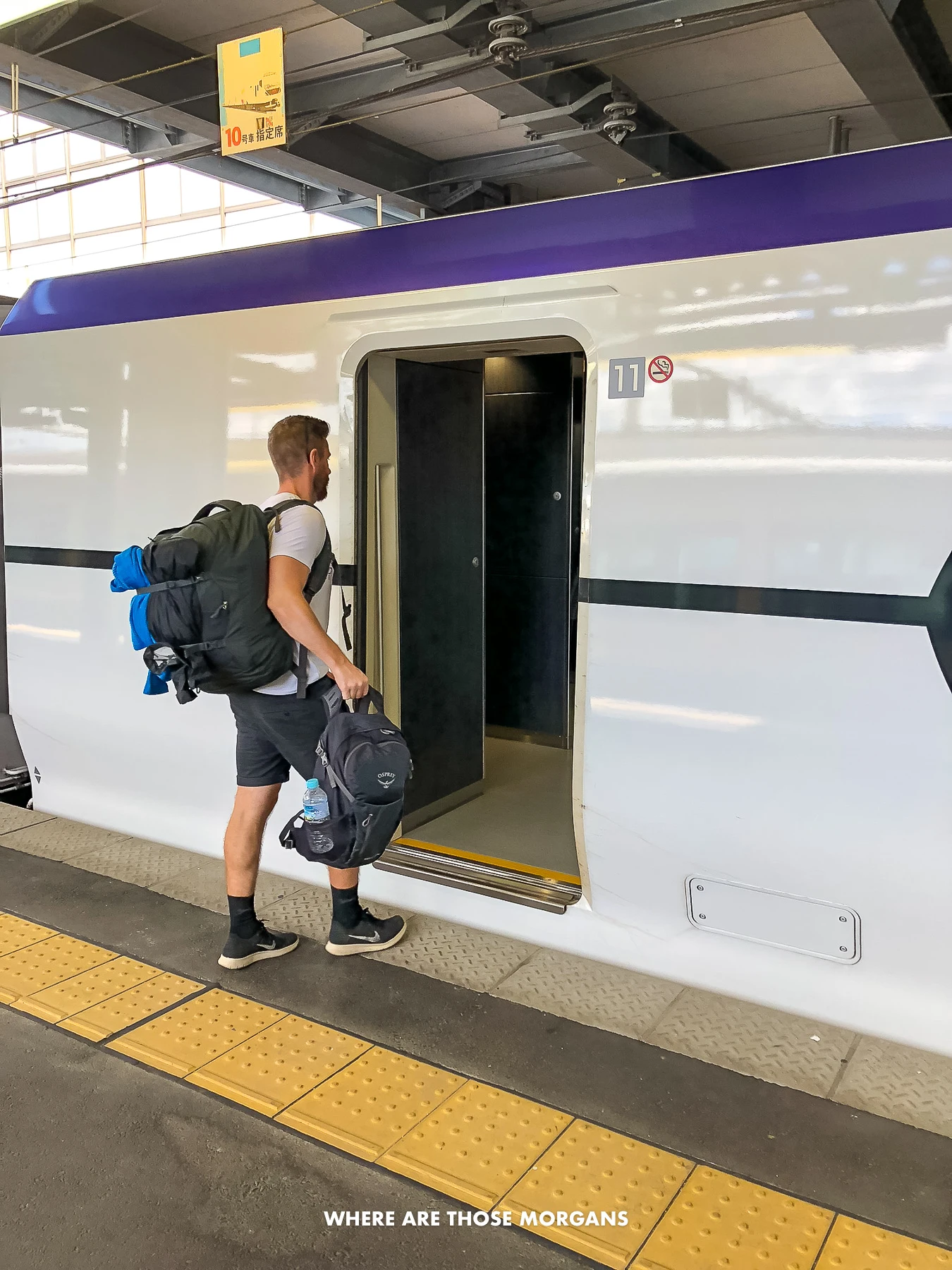
Booking transport: We would book the Nohi Bus Takayama and Alpine Route tickets at least 1 month before our trip. We’d also book our bullet trains ahead of time to make sure we got the times we wanted, along with end-of-row seats which have space for suitcases. There are fines for taking big suitcases on bullet trains without having last row seats reserved, and they get booked up quickly by tourists. For local trains, we’d be happy enough to book in person on the day.
JR Pass: We bought a 7-day JR Pass for our 2023 Japan trip because we calculated it would save us a decent amount of money vs buying individual tickets. But unfortunately on October 1st, 2023, JR Pass prices skyrocketed by 65-69%. If we were planning this 2-week Japan itinerary right now, we would not buy a JR Pass. The total cost of individual trains across our 2-week route is around 40,000 yen (US $260). A 14-day JR Pass costs 80,000 yen (US $528). Even a 7-day JR Pass – which wouldn’t cover the full trip – costs 50,000 yen (US $330).
Luggage forwarding: Japan has a handy luggage forwarding service called Takkyubin. We used it for the Alpine Route from Tateyama to Ogizawa (and you should too), but if we followed this itinerary again, we’d also consider using it to have our bags taken from Osaka to Kanazawa. That way we’d only have day packs with a few changes of clothes for Takayama and Shirakawa-go which would save lugging suitcases on a few trains and buses. We’d also consider using this service from Tokyo to Kyoto, and Kanazawa to Tokyo at the end.
Visit Japan web: We’d fill out the digital customs immigration form before our trip to skip long lines at Haneda or Narita upon arrival. It’s not essential, but it will save time and effort immediately after a long haul flight.
Cash: We don’t exchange money into yen before arriving into Japan. Instead we draw money out of ATM’s in convenience stores like 7-Eleven, FamilyMart or Lawson. They’re safe and have low fees. The key here is that we have US credit cards with no foreign transaction fees or cash withdrawal fees (the local ATM still charges a small fee, but our US bank doesn’t). And when drawing money, we always select Japanese yen, NOT US dollar.
eSIM: We used to use international roaming from whichever carrier we had (T-Mobile, AT&T, Verizon), but they don’t do cheap and easy packages anymore. So instead we get one eSIM between us, and load it with 10GB data to be used across 30 days. We turn off all background updates in our phone settings so the data is only used when we need Google Maps to help us navigate or find train station exits. There’s tons of options out there, but we use Saily and it works exactly as we’d like.
Footwear: This one should be a no-brainer, but it’s so important that we have to stress it anyway – comfortable shoes for walking are essential. We walked thousands of steps every single day across both our Japan trips, and our running shoes got a real workout.
When to go: For this itinerary, the Alpine Route is open mid-April to November, so starting in Tokyo early April to catch the end of cherry blossoms, before ending at the Alpine Route with its famous snow wall could be a good time. Anytime in summer would work. But if we did this route again, we’d do it in autumn because we preferred our 2018 fall foliage Japan trip to our 2023 cherry blossom trip. The cherry blossoms were attractive, but the crowds were out of control. In autumn, the colors were stunning and the crowds were thinner.
Budgeting: It’s hard to give an exact number to budget because everyone travels differently. But for the average mid-range couple following our itinerary, we’d say around US $175 (27,000 yen) per person, per day is a good starting point to aim at. That would be comfortable but conscious, balancing the odd splurge with cheap eats.
Next Steps
Japan can be overwhelming the first time, but if you follow our 2-week route and don’t overthink the small stuff, you’ll see the best of the country without the typical first-timer burnout.
If you like the level of detail we go into but want to change up the route and activities, or you still don’t know where to go and want to be given the perfect route based on your travel style – book a planning consultation with Mark to sit down one-on-one and walk step-by-step your itinerary. Together, we’ll create the perfect trip for you.
Still researching Japan?
- These are the top places to visit in Japan.
- Don’t miss these top Tokyo attractions.
- Follow our 5 days in Tokyo itinerary.
- These are the best areas to stay in Tokyo.
- Here are our favorite things to do in Kyoto.
- This is how to spend 3 days in Kyoto.
- Here’s where to book a hotel in Kyoto.
- Here’s what to do first time in Osaka.
- This is how to spend 2 days in Osaka.
- These are the top areas to stay in Osaka.
- Here are the top Nara experiences.
Finally, we recommend reading our Japan travel guide for first-timers to get helpful tips and advice, top attractions to see, itinerary ideas and more.
Happy travels,
Mark and Kristen
Find our guide helpful? Pin it for later!
All Rights Reserved © Where Are Those Morgans, LLC. Republishing this article and/or any of its contents (text, photography, maps, graphics, etc.) in whole or in part is strictly prohibited.
Mark and Kristen spent 5.5 years traveling the world full time, visiting over 40 countries across 4 continents and more than 30 US states. They created Where Are Those Morgans in 2018 to help others plan the best possible vacations by writing authentic travel and hiking guides based on their real experiences.
Since the arrival of baby Maya in late 2024 and Kai in 2026, Mark and Kristen’s extensive travels have slowed down, but they still take plenty of trips each year. Where Are Those Morgans now helps millions of travelers each year to visit new places and hike new trails through information-packed blog posts, expert travel guidebooks, 1-on-1 trip planning consultations, and deep-dive YouTube videos. Read more about Mark and Kristen.
Hi
Your whole website is great. I am focussed on Japan for this trip. Your two week intinerary seems one of the best collection of ideas in my trawling the net….. or your travel style matches our style, more nature, scenery and activity.
Puzzled by one thing though, you explain why not to include Hakkone…. but then a Mt Fuji / lakes day trip for example does not feature at all in your 14 days. Seems like a glaring omission…. or am I missing something
Hi Patrick, thanks, glad the itinerary fits your style. You’re not missing anything, it’s a fair question, and we’ll add a section in near the top alongside Hakone to explain why we left it out. But here’s the short version: With 14 days there’s no slack, and we wouldn’t drop a day in any of the other places for a Fuji day trip. The Fuji hiking season is very short, the day trip is really just views from the lakes, visibility can be a coin flip at best, and the second half of our itinerary (Takayama, Shirakawa-go, Alpine Route) already delivers the mountain scenery more variably and more reliably. If Fuji is a must for you, we’d swap one Tokyo day for either a full day trip or an overnight in Kawaguchiko followed by a very early start (sunrise) for the best chance of clear weather. Thanks for flagging this, and we hope you have a fantastic time in Japan.